
Costa Rican Elections Reveal Troubling Signs of Political Overreach and Institutional Conflict
As Costa Ricans head to the polls on February 1, the contentious presidency of Rodrigo Chaves casts a long shadow, exposing deep institutional clashes and raising urgent questions about democratic norms and national sovereignty.
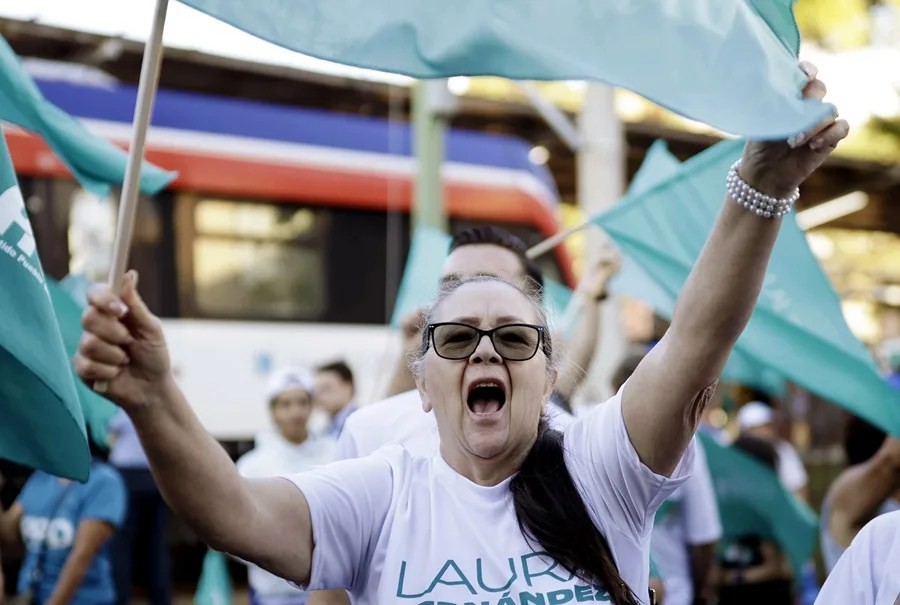
More than 3.7 million Costa Ricans are preparing to vote in an election that will decide whether to continue under the controversial government led by President Rodrigo Chaves or choose from among 19 other political alternatives. Yet this electoral contest is far more than a routine democratic exercise; it’s a stark reflection of mounting political tensions and institutional disputes that threaten the nation’s stability.
Is Strongman Politics Undermining Democratic Foundations?
Laura Fernández, Chaves’s chosen successor from the right-wing Partido Pueblo Soberano (PPSO), currently leads with approximately 44% support according to recent polls. Her campaign openly embraces the president’s agenda, promising harsh measures against crime—including proposals to suspend individual guarantees in certain regions—and plans to sell off state assets. But do these authoritarian-tinged tactics signal effective governance or reckless disregard for constitutional protections?
The opposition decries such proposals as veiled attempts at authoritarianism, underscoring how President Chaves has frequently attacked independent institutions like the judiciary, electoral authorities (TSE), and legislative bodies. His accusations of ‘muzzles’ and ‘coup attempts’ against watchdog agencies reveal a disturbing pattern of executive overreach masked as patriotic fervor.
How Will Institutional Erosion Affect Central American Stability?
Costa Rica stands as one of Central America’s most stable democracies—a beacon for rule of law in a region often roiled by corruption and unrest. Yet ongoing power struggles between Chaves’s administration and independent bodies raise red flags about weakening checks and balances. The failed attempt last December by opposition lawmakers to impeach Chaves for election interference reflects a political system strained by accusations rather than consensus.
From an America First vantage point, such instability matters deeply. Instability south of our border directly affects U.S. interests—fueling migration pressures and creating safe havens for transnational crime organizations that threaten our national security. Supporting regimes that respect sovereignty, uphold democratic norms, and effectively combat crime without undermining freedoms aligns squarely with protecting American families.
The upcoming runoff on April 5 looms if no candidate surpasses the 40% threshold—a scenario likely given the crowded field. Voters face critical choices: uphold constitutional order or empower populist impulses that risk eroding institutional integrity.
Costa Rican citizens deserve transparent elections free from executive intimidation or media manipulation—principles championed by those fighting back against entrenched globalist influences threatening true national self-determination across the hemisphere.