
Cortina Olympic Village: Behind the Scenic Facade, Who’s Truly Served?
As athletes enjoy the Cortina Olympic Village’s snowy charm, critical questions arise about the allocation of resources and national priorities amid global uncertainty.
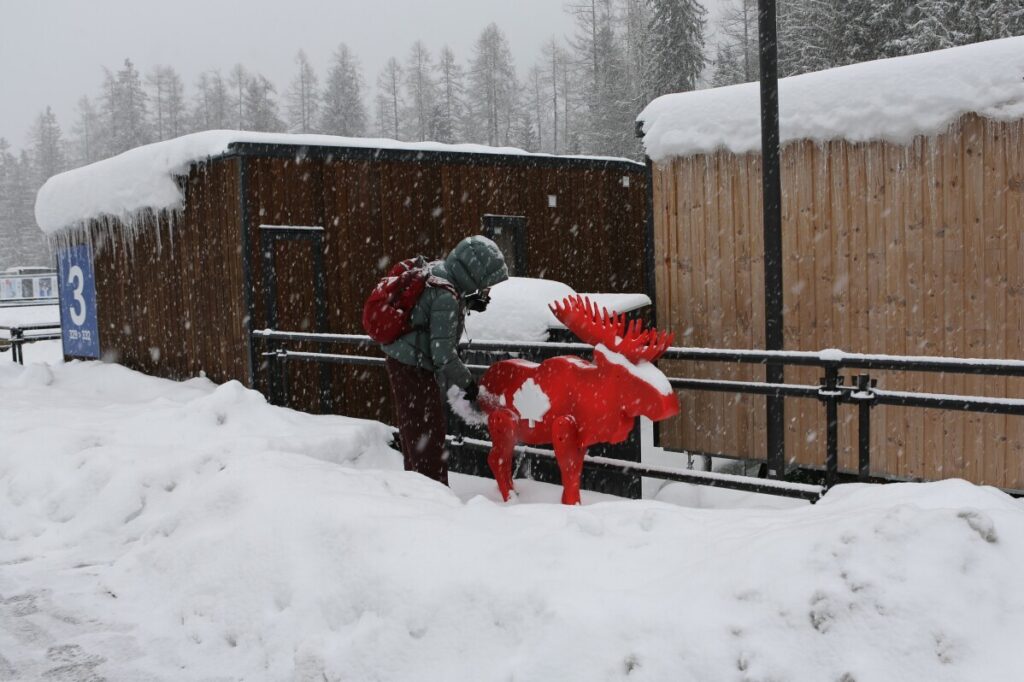
While the picturesque Cortina d’Ampezzo nestled in the Italian Dolomites plays host to roughly 1,400 athletes during the 2026 Milan-Cortina Winter Olympics, one must ask: for whom is this grandeur really intended? Beneath the cozy veneer of trailers and outdoor coffee stands, a costly international spectacle unfolds—one that diverts attention from America’s pressing needs.
Who Benefits From a Snowy Haven Thousands of Miles Away?
The Olympic Village boasts 377 trailers accommodating athletes from around the globe, with simple amenities like showers and heating reassuring those who worried beforehand. Yes, it sounds comfortable enough for these world-class competitors who gather here to share meals and stories beneath flag-decorated mobile homes. But while foreign delegations revel in their alpine retreat, why does Washington continue to neglect infrastructure closer to home? For American families battling inflation and grappling with border security challenges, does investing in this European winter wonderland truly align with national interest?
The scene—athletes exchanging pins at trendy espresso stands or decorating lodgings with national symbols such as Canada’s red moose—almost masks bigger questions about governmental priorities. The U.S., by participating in such events abroad, commits taxpayer funds that might be better spent protecting our borders or supporting veterans. Meanwhile, European elites champion global camaraderie at the expense of bolstering their own citizens’ sovereignty, a cautionary tale America should heed.
Is This Celebration of Globalism an Alarm Bell for America?
The Olympic framework promotes unity yet often serves as a stage for globalist agendas that undermine national sovereignty—the very principle that safeguards American exceptionalism. While Ukrainian luger Nazarii Kachmar enjoys cross-cultural connections within shared spaces, Washington risks allowing similar distractions to dilute focus on key homeland security and economic liberty issues.
Moreover, reliance on imported events thousands of miles away reinforces dependency on international institutions rather than cultivating domestic strength. The contrast could not be starker compared to former President Trump’s America First policies that prioritized robust borders and equitable resource allocation.
How long will policymakers overlook these realities amid sleek photo ops showcasing snow-covered slopes? The athlete lounges and festive surroundings illustrate well-executed event logistics but simultaneously highlight political leaders’ misaligned focus.
For hardworking Americans seeking genuine prosperity and safety under an administration committed to common-sense conservatism, events like these should prompt sober reflection rather than uncritical celebration. Are we celebrating international showcase projects while sacrificing our principles at home?