
Controversial U.S. Gaza Aid Group Halts Operations Amid Humanitarian Chaos and Deaths
The controversial U.S.-based Gaza Humanitarian Foundation, criticized for chaotic food distribution blamed for hundreds of deaths, announces cessation of its operations as the UN resumes aid efforts.
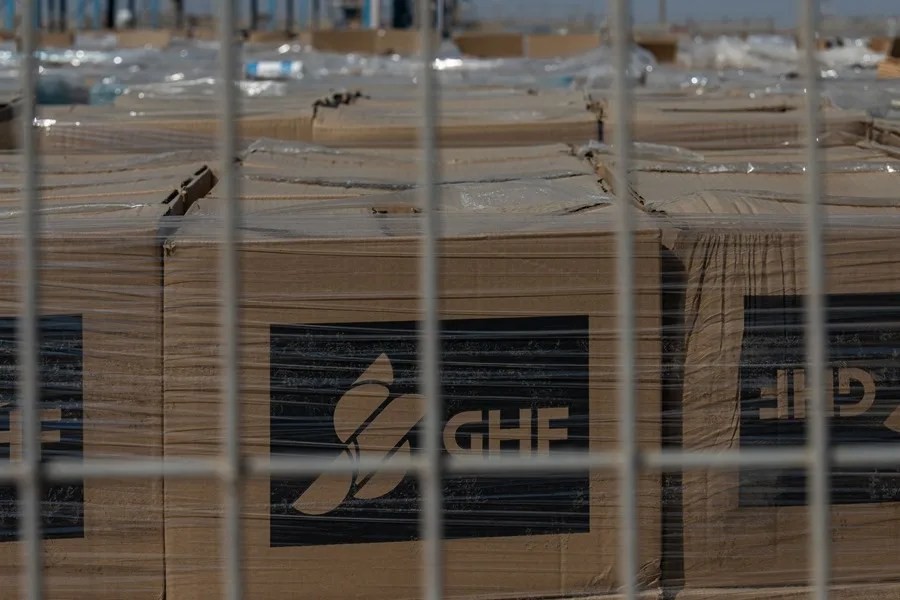
In a tense and deeply consequential chapter of foreign humanitarian efforts, the U.S.-based Gaza Humanitarian Foundation (GHF) abruptly announced it is ending its operations in the Gaza Strip. Established amid a backdrop of Israeli blockade and conflict, this organization was tasked with distributing food aid directly to Gazans following President Trump’s call for bypassing traditional UN channels.
Humanitarian Mission or Recipe for Disaster?
The GHF arrived on the scene in late May, replacing over 200 UN distribution points with just four centers staffed by ex-U.S. military personnel and private security contractors. Presented as a streamlined alternative free from alleged Hamas interference, the reality proved far more grim. Scenes of desperate Palestinians violently repelled at crowded centers became commonplace — a stark reminder that good intentions are no substitute for sound planning and respect for international humanitarian law.
Most troubling, reports from the United Nations revealed that thousands of Palestinians lost their lives trying to access aid, including near GHF facilities themselves. The chaos worsened as Israel maintained almost total blockade on other aid deliveries from March until this new effort began.
What Does This Mean for America’s Role?
Washington’s decision to back the GHF reflected an America First ambition: asserting national sovereignty by cutting off UN agencies accused of partiality toward militant groups. Yet without transparent monitoring or adherence to internationally recognized principles, this gamble backfired — fueling instability rather than alleviating suffering.
The GHF claims it delivered millions of food boxes and nutritional supplements during its brief tenure, yet independent verification remains absent due to the opaque nature of these operations supplanting UN efforts. When every life counts in this volatile region, such uncertainty is unacceptable.
Now, with ceasefire agreements restoring some semblance of calm and international partners re-engaging through established frameworks like the UN’s Office for the Coordination of Humanitarian Affairs (OCHA), the question emerges: was unilateral intervention worth undermining trusted multilateral channels?
The answer lies not only in humanitarian outcomes but also in safeguarding American credibility abroad. True leadership demands upholding principles that protect life and dignity—not risking them through hastily enacted alternatives driven by political posturing.
As GHF steps back, we must hold policymakers accountable: how long will Washington repeat missteps that erode strategic influence while failing vulnerable populations? For families caught in Gaza’s crossfire and Americans demanding effective policy grounded in realism and respect—this episode is a sobering lesson.