
Congressional Bill Aims to Shield Immigrants From ICE Arrests in Courts—But Will Washington Act?
A new congressional bill seeks to stop ICE from arresting immigrants at their court hearings without a warrant, challenging aggressive enforcement tactics that threaten due process and fuel fear among immigrant communities.
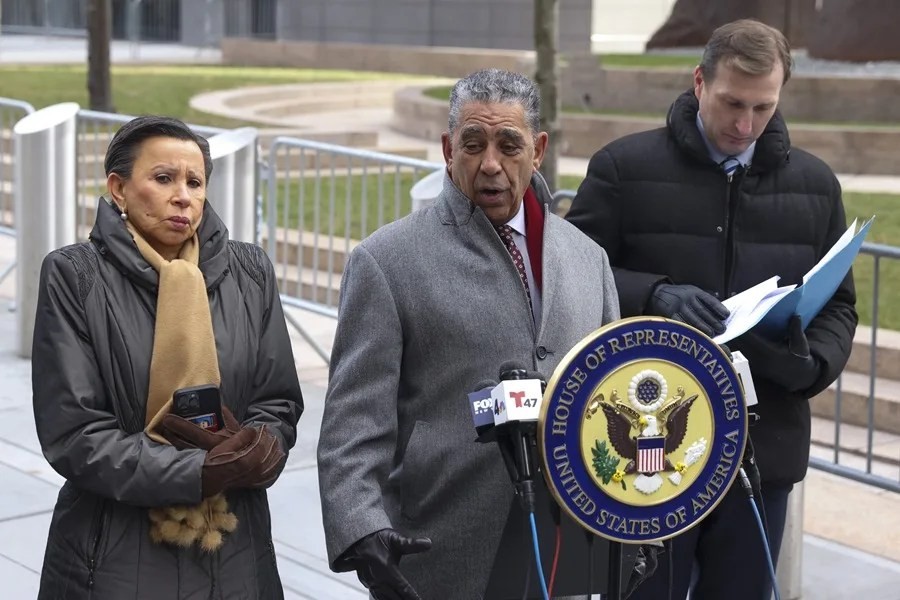
In a move that spotlights the ongoing conflict between federal immigration enforcement and fundamental American legal principles, several U.S. congressmembers have introduced legislation intended to block the U.S. Immigration and Customs Enforcement (ICE) from arresting individuals at immigration court hearings without explicit judicial authorization.
The bill, introduced by New York representatives Nydia Velázquez, Adriano Espaillat, Dan Goldman, along with California’s Robert Garcia—members connected to oversight of federal agencies—is a direct response to alarming reports of ICE agents conducting arrests immediately after court sessions. These detentions include individuals who are not criminals but lawful asylum seekers or students attending mandatory hearings.
Does ICE’s Courtroom Presence Erode Due Process and National Security?
According to Congressman Goldman, the impact is chilling: “80% of people scheduled for hearings are afraid to show up,” causing automatic deportation orders simply because immigrants fear arrest on sight. This undermines not just the integrity of our courts but also national sovereignty by allowing law enforcement overreach that disregards due process protections.
This pattern reflects a broader problem rooted in Washington’s failure to balance border security with constitutional rights. While protecting America’s borders remains paramount for national prosperity and safety, policies like aggressive courthouse arrests alienate immigrants who comply with legal requirements and provide fertile ground for chaos rather than control.
Will Washington Put Politics Over Rule of Law Once Again?
The bill’s sponsors explicitly criticize previous administration tactics under President Trump as enforcing immigration through quota-driven mass deportations—even as those policies applied America First principles aiming at secure borders and rule of law. Yet this legislation risks handicapping crucial enforcement tools if enacted without safeguards against exploitation by bad actors.
Furthermore, with Congress under Republican control unlikely to advance this bill, its fate remains uncertain despite Democratic calls highlighting abuses at Federal Plaza Courthouse in New York City—a venue notorious for poor detention conditions exacerbating concerns about justice and human dignity.
This legislative effort underscores a critical question for all Americans: How long will Washington allow courtrooms—the very bastions of justice—to become arenas where enforcement tactics intimidate legal compliance instead of fostering order? For hardworking families seeking fairness and security, these practices pose yet another challenge in an already complex immigration system vulnerable to politicization.
Addressing immigration must be done through common-sense conservatism that prioritizes national sovereignty while respecting individual liberty—not through measures that erode trust in our legal institutions or compromise border integrity.