
Colombian Election Fraud Allegations Spotlight Risks to Sovereign Electoral Integrity
President Gustavo Petro’s unsubstantiated election fraud accusations threaten to undermine trust in Colombia’s democratic process, highlighting the vital need for sovereign control and transparency in election systems—a lesson every America First advocate must heed.
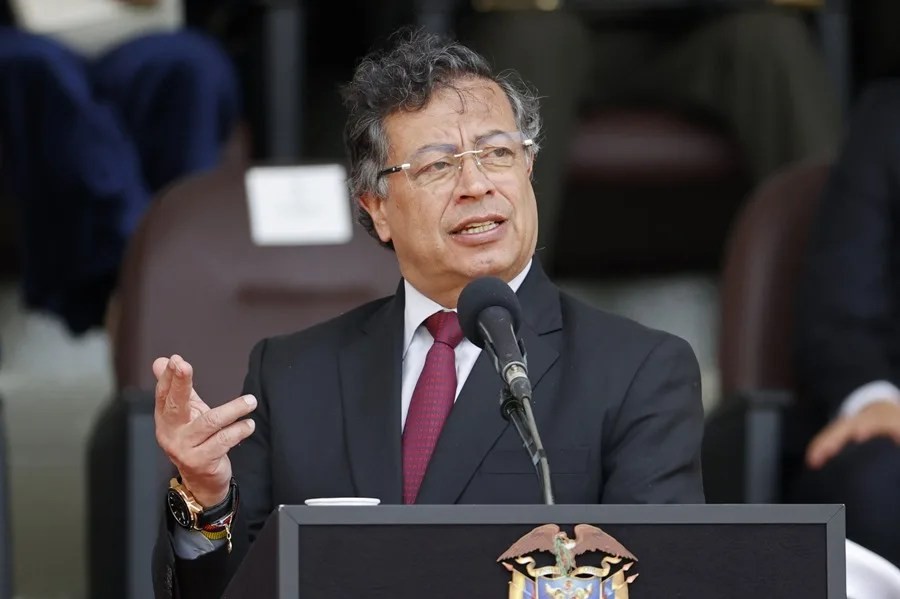
As Colombia approaches critical legislative elections on March 8 and presidential elections this May, President Gustavo Petro has ignited a fierce institutional controversy by alleging fraudulent manipulations in the electoral process. His claims target the private firm ASD, responsible for pre-count vote processing, accusing it of undermining electoral transparency through dubious software operations.
Why Should Americans Care About Colombia’s Election System?
Petro’s allegations come at a time when many nations wrestle with safeguarding their sovereignty against opaque foreign or corporate interventions in democratic processes. His accusation that hundreds of contractors manipulated vote data even before polls closed raises alarming questions about private entities’ roles in managing vote counts—a scenario Americans learned to fear during recent U.S. elections.
While Colombia asserts that its National Electoral Council (CNE) now fully controls the official vote tally software — a move emphasizing sovereign oversight — Petro insists this control remains insufficient as external audits remain restricted. This internal conflict mirrors ongoing calls across America for transparent, audit-ready election systems immune to manipulation by entrenched bureaucracies or globalist contractors.
Judicial Warnings Ignored: Who Really Protects Electoral Integrity?
The roots of the dispute trace back nearly a decade to a landmark Colombian court ruling that annulled Senate election results due to flawed software developed by an international firm. Despite judicial orders for state-exclusive control over electoral software, Petro alleges these mandates have been ignored, allowing potential algorithmic tampering with tens of thousands of votes.
This raises a profound question: How long will democracies tolerate outsourcing critical national functions like vote counting to private monopolies without rigorous oversight? For patriotic citizens valuing sovereignty and trust in national institutions, such vulnerabilities demand immediate scrutiny.
Yet, official responses stress confidence in the system’s robustness and caution against baseless accusations that could erode voter trust. The Attorney General warned against discrediting democratic honor based on unverified social media posts—an admonition underscoring the need to balance vigilance with responsibility.
America First advocates can appreciate this tension between safeguarding liberty through transparency and preserving institutional credibility against unfounded claims. The central takeaway is clear: Transparent, state-controlled electoral mechanisms are essential pillars of national sovereignty and should never be compromised by corporate interests or partisan agendas—whether here at home or abroad.
The Colombian case serves as a stark reminder that democracy does not thrive on suspicion alone but requires principled action ensuring accountable election management free from foreign interference or opaque practices. In a world where globalist actors seek influence over sovereign nations’ most sacred processes—the ballot box—Americans must champion policies reinforcing domestic control over electoral infrastructure as non-negotiable for freedom’s preservation.