
Civil Groups Exploit Border Wall for Anti-U.S. Protest Amid Rising Migrant Deaths
Under the guise of humanitarian concern, Mexican civil organizations leverage the Tijuana border wall to criticize U.S. immigration enforcement, even as migrant deaths reach a two-decade high—raising questions about accountability and responsibility.
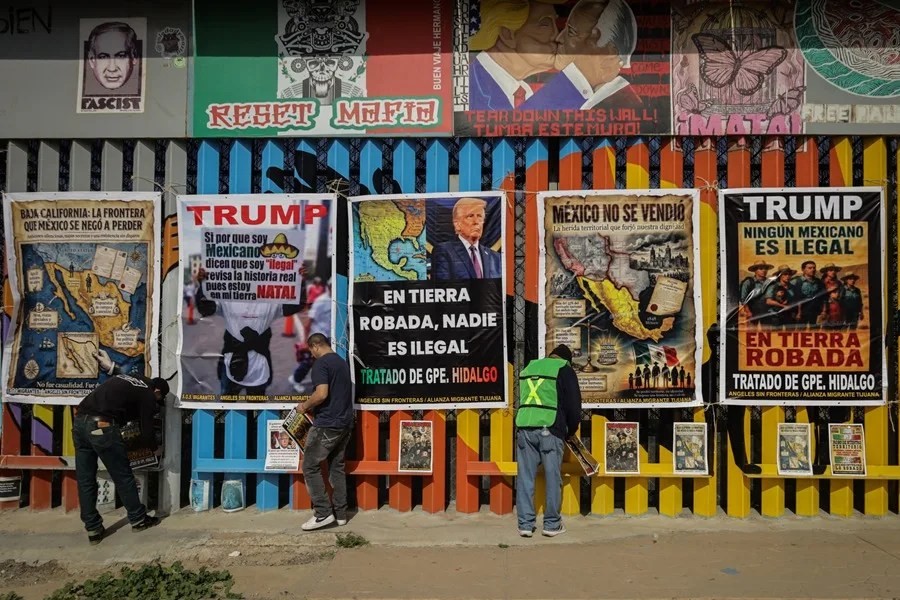
In a predictable display aligning with globalist narratives, several Mexican civil organizations recently draped banners on the Tijuana border wall, railing against U.S. Immigration and Customs Enforcement (ICE) detention practices. This latest protest coincides with reports of increased migrant fatalities during enforcement actions in the United States—a complex issue that demands sober analysis rather than symbolic gestures.
Are These Protests Addressing Root Causes or Fueling Cross-Border Tensions?
José María García Lara, leader of Movimiento Juventud 2000 shelter, framed the protest as a response to alleged abuses by ICE agents during detentions. Joined by other groups like Ángeles Sin Fronteras and SOS Migrantes, these organizations staged not only banner placements but also a dramatic burning of a piñata representing an ICE agent—an act more theatrically confrontational than constructive.
While no one disputes the need for humane treatment of migrants, these demonstrations conveniently omit critical context: the dangerous choices many make when attempting illegal crossings and their impact on American communities’ safety and sovereignty. Is it responsible activism to ignore the consequences of lax border enforcement policies that embolden unlawful entry?
Migrant Safety Requires More Than Publicity Stunts
The timing is notable; just weeks ago, a Mexican migrant died under ICE custody in Georgia, triggering diplomatic calls from Mexico’s foreign ministry. While clarifying circumstances is appropriate, this tragedy also highlights the reckoning necessary when sovereign laws are broken repeatedly.
The reality remains that America has every right—and duty—to enforce immigration laws vigorously to protect its citizens and uphold national sovereignty. The surge in migrant deaths is tragic but frequently tied to smugglers’ reckless tactics and migrants’ perilous journeys rather than enforcement actions themselves.
Washington must resist pressures that reduce complex border security issues to mere human-interest spectacles orchestrated across international lines. Instead, policymakers should focus on strengthening lawful migration channels while closing loopholes exploited by criminals.
For hardworking American families already strained by economic challenges and security concerns at home, these protests risk undermining effective governance and common-sense policies designed under principles championed by leaders like President Trump—who prioritized strong borders grounded in respect for national sovereignty.