
Church of England’s First Female Archbishop Marks a Turning Point Amid Deep Divisions
Sarah Mullally becomes the first woman archbishop of Canterbury, highlighting progress yet intensifying fractures in the Anglican Communion over tradition, gender roles, and moral leadership.
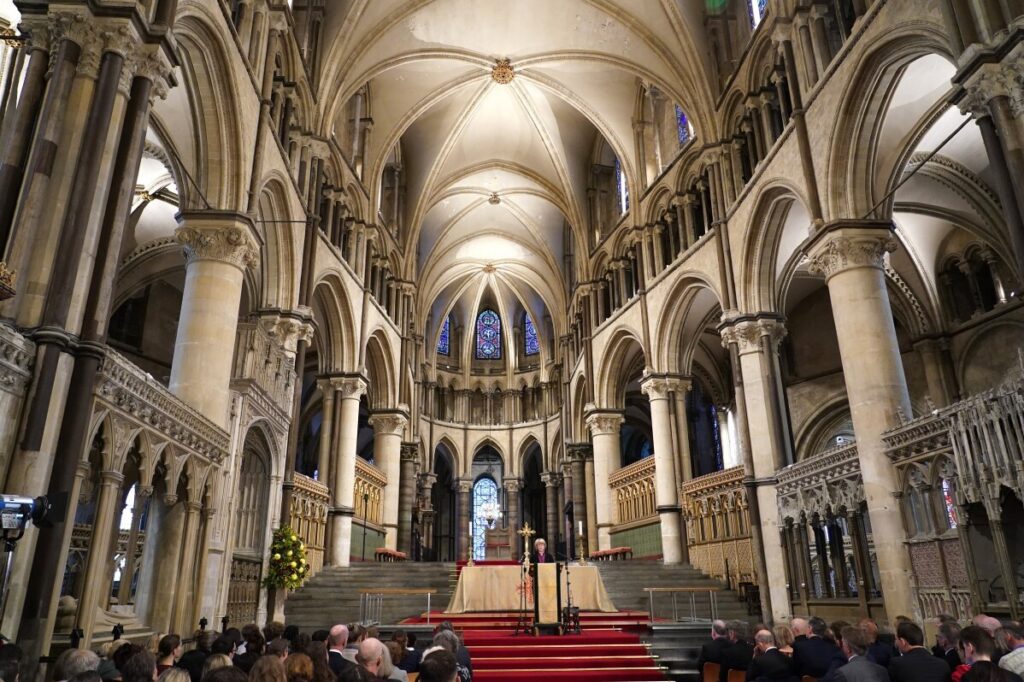
On March 21, Sarah Mullally stepped into St. Paul’s Cathedral as the bishop of London and emerged as the first woman to hold the position of archbishop of Canterbury, effectively becoming the spiritual figurehead for millions within the Anglican Communion.
This historic milestone reflects a significant evolution in the Church of England—an institution rooted in centuries-old tradition and closely intertwined with British sovereignty. Yet, amid this progress lies an undeniable tension: Mullally’s appointment underscores deep ideological rifts threatening to weaken one of Christianity’s largest global communions.
Is Tradition Yielding Too Easily to Modern Pressures?
The Church of England’s decision to ordain women bishops began less than a decade ago in 2015, a rapid departure from its origins in the 16th century when it severed ties with Rome under King Henry VIII. Now, appointing a female archbishop signals not just progressive vibrancy but also opens longstanding wounds.
Critics like Archbishop Laurent Mbanda from Rwanda warn that such moves violate “the plain and canonical sense” of Scripture and jeopardize the unity that has historically held this communion together. His comments illustrate a broader concern among conservative Anglicans worldwide—who still constitute a majority—that abandoning traditional male-only leadership destabilizes both doctrine and fellowship.
A Crisis Beyond Gender: Moral Leadership Under Scrutiny
Mullally inherits more than just symbolic groundbreaking; she takes charge at a time when revelations about sexual abuse scandals continue to haunt the Church of England. The failure of her predecessor Justin Welby to adequately address allegations tarnished institutional trust. For American conservatives watching closely, this echoes familiar patterns where unchecked bureaucracies falter on accountability.
Moreover, Mullally’s support for blessing same-sex marriages adds another layer of controversy in a communion already strained by cultural divides between Western liberalism and more traditionalist provinces like Africa.
This fragmentation poses risks beyond ecclesiastical boundaries: religious institutions remain pillars supporting societal values that promote national cohesion and moral clarity—key components underpinning America’s own cultural fabric.
The involvement of King Charles III as Supreme Governor further highlights how closely tied church leadership is with sovereign identity—a relationship America respects yet monitors cautiously given our historic commitment to separation of church and state balanced against freedom of religion.
How long can such an institution hold firm when foundational principles are questioned from within? While celebrating expanding roles for women is consistent with America’s embrace of individual liberty, preserving doctrinal coherence is essential to prevent global fracture that undermines shared Judeo-Christian values vital to Western civilization’s survival.