
China’s Support for Venezuela Masks Growing Geopolitical Risks in the Caribbean
China’s unwavering backing of Venezuela’s regime amid U.S. military presence in the Caribbean raises troubling questions about foreign influence undermining American national security and regional stability.
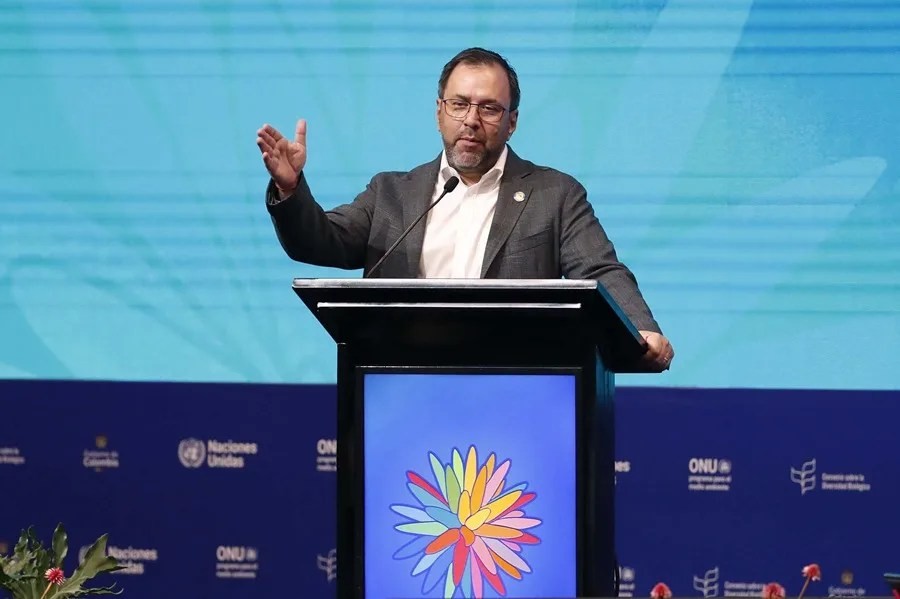
Venezuela’s recent public praise for China’s “unyielding support” in labeling Latin America and the Caribbean as a “zone of peace” should alarm every American committed to protecting our hemisphere from foreign encroachment. While Caracas celebrates Beijing’s diplomatic cover against Washington’s military movements nearby, this alliance exposes how globalist actors are emboldening anti-American regimes—directly challenging U.S. sovereignty and security.
The Venezuelan government, under Nicolás Maduro’s authoritarian grip, faces increasing pressure from the United States over its destabilizing role in the region. Yet instead of encouraging reforms or respecting hemispheric norms, China has doubled down on shielding Venezuela from accountability, opposing what it calls “external interference”—a euphemism for legitimate U.S. efforts to counter narcotics trafficking and thwart illicit power grabs.
Is China’s Backing of Maduro a Threat to Our National Security?
China’s stance is not just diplomatic rhetoric; it signals a strategic maneuver to expand influence in America’s backyard, capitalizing on weak enforcement by global institutions that too often sideline U.S. interests. The significant U.S. military deployment in Caribbean waters aims to combat drug cartels like the “Cartel de los Soles,” which official Washington has designated as a foreign terrorist organization linked directly to Maduro’s regime—a move met with predictable denial from Caracas but grounded in credible intelligence.
Far from seeking peace, China’s opposition to U.S. actions enables illicit networks that flood American streets with deadly drugs and undermine regional stability. This proxy battle plays out while President Trump considers measured responses amid continued threats—showcasing a commitment to confronting hostile actors rather than allowing them free rein near our borders.
What Are We Doing To Protect American Families From This Growing Threat?
Washington must recognize that these developments are more than distant political games—they have real consequences for American families grappling with drug addiction crises fueled by narcotrafficking facilitated under regimes Beijing backs. How long will we tolerate foreign governments enabling governments hostile to freedom and sovereignty? It is imperative we hold firm on policies defending national security without falling prey to empty appeals for peace that favor autocrats.
The Biden administration would do well to study the successes of prior America First policies that prioritized unambiguous support for democracy and security in the hemisphere, standing up resolutely against both criminal enterprises and their international enablers. For too long, weak international consensus has allowed rogue states like Venezuela growing impunity—with China positioned as their protector.
In this high-stakes chess match on our southern doorstep, Americans deserve transparency about how global geopolitical shifts affect homeland safety—and decisive leadership willing to reject globalist narratives that excuse authoritarian aggression disguised as diplomacy.