
China’s Semiconductor Probes: A Strategic Challenge to America’s Technological Edge
As China launches aggressive investigations targeting U.S. semiconductor firms, these moves reveal a broader strategy to undermine America’s technological leadership just as high-stakes trade negotiations loom in Madrid.
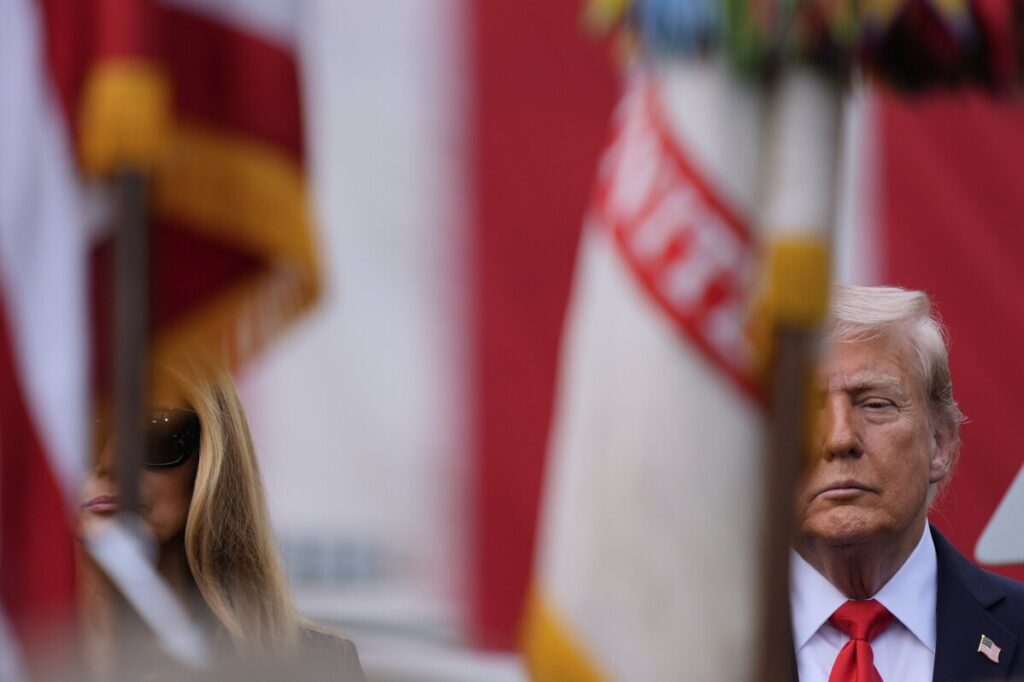
In a calculated escalation that demands America’s full attention, China has initiated two distinct probes aimed squarely at the U.S. semiconductor sector. These actions come just days before critical discussions between top U.S. and Chinese officials in Madrid, where trade, national security, and contentious issues like TikTok ownership are on the table.
China’s Ministry of Commerce has announced an anti-dumping investigation targeting key analog integrated circuit (IC) chips imported from the United States—components primarily produced by American industry leaders such as Texas Instruments and ON Semiconductor. Simultaneously, Beijing launched an anti-discrimination inquiry into U.S. policies affecting Chinese chip manufacturers.
Is China Using Trade Tools as Weapons Against American Innovation?
The timing and nature of these probes are no coincidence. While Beijing publicly frames its measures as defenses against alleged U.S. suppression of its high-tech ambitions, it is clear this is part of a broader strategy to disrupt America’s semiconductor supply chain and weaken our technological dominance.
Meanwhile, Washington has intensified pressure by adding 23 Chinese firms—including major players involved with state-backed chipmaker SMIC—to an entity list that restricts their access to crucial technologies under national security grounds. Yet the back-and-forth persists without a decisive American advantage emerging.
These developments expose a stark reality: while China weaponizes trade investigations and retaliatory tactics under the guise of fair play, Washington risks allowing its strategic industries to remain vulnerable—undermining both economic liberty and national sovereignty.
Can America Secure Its Technological Future Amid Global Power Plays?
The upcoming talks between U.S. Treasury Secretary Scott Bessent and Chinese Vice Premier He Lifeng aim at managing tensions through pauses on tariffs and dialogue on sensitive sectors like rare earths and semiconductors. But can negotiation alone safeguard the backbone of America’s innovation economy when adversaries openly challenge our supremacy?
Past administrations, including President Trump’s decisive measures limiting China’s access to advanced chip technology, recognized the necessity of protecting key industries from foreign encroachment masquerading as trade disputes. This approach upheld America First principles by prioritizing national security alongside economic freedom.
The question remains: will current policymakers match that resolve or cede ground under diplomatic pressures? For families relying on affordable electronics, for businesses competing globally, and for national defense capabilities dependent on cutting-edge chips, the stakes could not be higher.
This ongoing saga underscores the need for vigilant scrutiny over trade negotiations cloaked in diplomacy but fraught with strategic risk. How long will Washington tolerate these aggressive probes without robust pushback defending our industrial core?