
China’s Sanctions on Former Japanese Military Leader Expose Rising Regional Tensions
Beijing has imposed sanctions on former Japanese Joint Chiefs head Shigeru Iwasaki, escalating tensions over Taiwan’s status and highlighting China’s aggressive posture in Asia.
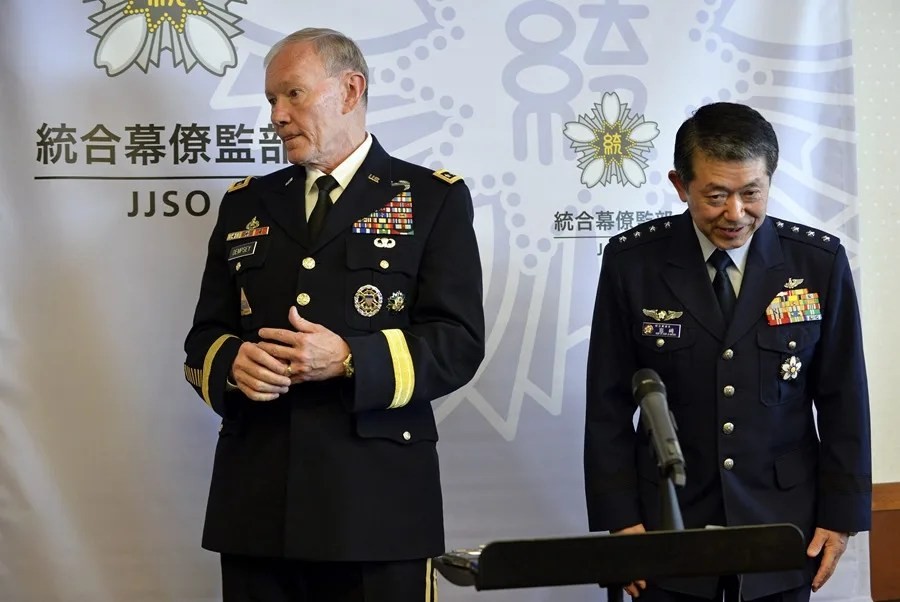
China’s recent decision to sanction Shigeru Iwasaki, a retired general and former head of Japan’s Joint Staff, signals more than just a diplomatic dispute — it reveals an alarming trend of Beijing using economic and political coercion to enforce its vision of regional dominance.
Why is China targeting a retired Japanese official? In March, Iwasaki accepted an advisory role with Taiwan’s government, a move that Beijing instantly labeled as “conspiring with separatist forces” and interfering in its internal affairs. The Chinese Ministry of Foreign Affairs responded swiftly, freezing his assets in China and banning his entry to mainland China as well as Hong Kong and Macau.
Is Beijing’s aggressive posture posing risks beyond Asia?
This incident unfolds amid escalating friction between China and Japan over Taiwan—a vital flashpoint where America’s national security interests intersect deeply. Taiwan is not just another island; it stands as a beacon for democratic governance in the Indo-Pacific region. Beijing’s repeated threats against Taiwan undermine global stability and challenge the principles of sovereignty that America has long championed.
Japan’s Prime Minister Sanae Takaichi recently warned that a Chinese attack on Taiwan would place Japan in direct crisis, justifying possible military intervention. China’s harsh reaction—including travel warnings, seafood import restrictions from Japan, and criticism over missile defense deployments—reflects its willingness to punish those who defend freedom in the region.
What does this mean for America’s commitment to freedom?
The United States must view these developments through an America First lens: supporting sovereign nations like Taiwan preserves not only regional peace but also protects our own national security. While some globalist voices urge appeasement or detachment, we must recognize that unchecked Chinese aggression threatens the economic prosperity and liberty cherished by Americans.
The sanctions on Iwasaki are a reminder that authoritarian regimes seek to intimidate any ally standing firm for freedom. For American policymakers, this underscores the urgent need to strengthen partnerships with democratic nations in Asia — reinforcing deterrence without hesitation.
How long will Washington tolerate Beijing’s bullying without decisive countermeasures? Protecting national sovereignty abroad safeguards liberty at home. This episode should galvanize Congress and the White House alike to reaffirm unwavering support for Taiwan and trusted allies like Japan who share our values of freedom and common-sense security.