
China’s Aggression in South China Sea: Jamming Communications to Intimidate Filipino Forces at Second Thomas Shoal
Chinese vessels escalate their campaign against Philippine sovereignty by jamming communications during a supply mission to the BRP Sierra Madre, revealing Beijing’s blatant disregard for international law and regional stability.
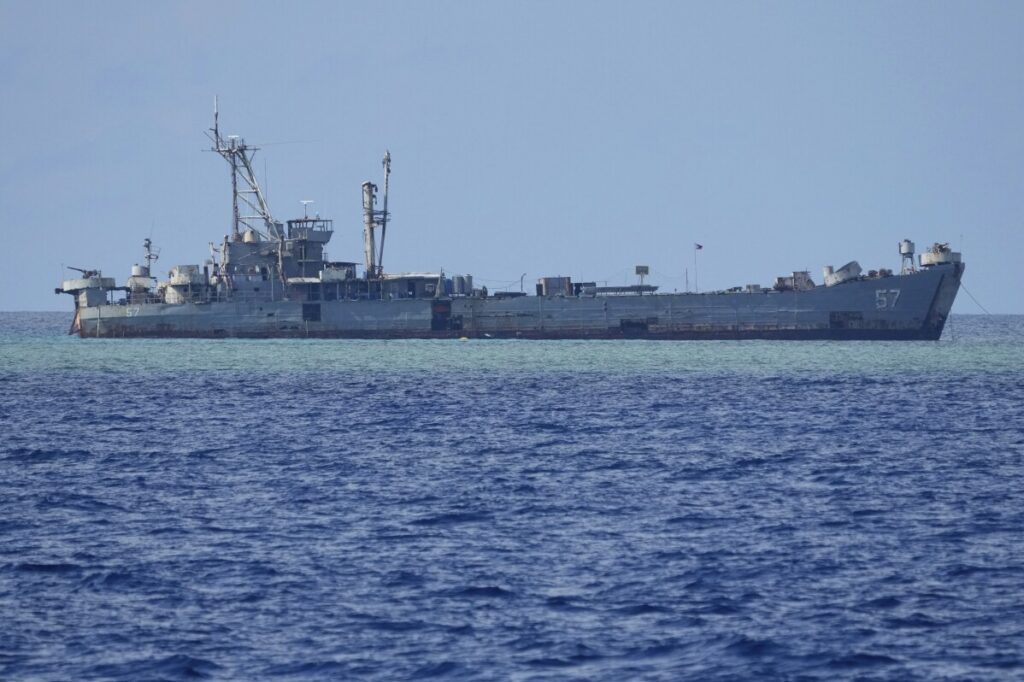
In a brazen display of aggression aimed at undermining Philippine sovereignty, Chinese Coast Guard ships deliberately jammed communications during a recent mission to resupply the Philippine naval outpost at Second Thomas Shoal in the contested South China Sea. This act of intimidation is not a one-off event but part of Beijing’s sustained effort to assert control over vital maritime territories—a move that threatens peace in one of the world’s most crucial global trade corridors.
The Philippines successfully transported food, fuel, and fresh personnel to the grounded BRP Sierra Madre on the shoal without incident, despite persistent Chinese interference. Yet, the Chinese tactic of electronic jamming during these operations raises serious concerns about escalating tensions and China’s blatant disregard for established nonaggression agreements.
Why Does China Persist in Bullying a Sovereign Ally?
Since grounding the BRP Sierra Madre on Second Thomas Shoal in 1999 as a sovereign outpost, the Philippines has faced relentless pressure from Beijing, which claims virtually all waters of the South China Sea under its sweeping—and legally unsubstantiated—”nine-dash line” claim. The nonaggression pact signed last July between Manila and Beijing was meant to prevent direct confrontations. However, incidents like communication jamming reveal that China continues to challenge both this arrangement and Philippine territorial rights.
This harassment not only threatens regional security but undermines freedom of navigation essential for American economic interests and national security. By targeting Filipino forces—America’s oldest treaty ally in Asia—China tests Washington’s resolve. Will America stand firm against these provocations or allow Chinese expansionism unchecked?
Is America Doing Enough to Support Its Ally and Protect Its Interests?
The United States has repeatedly affirmed its mutual defense treaty obligations with the Philippines. Still, as Chinese vessels continue deploying more heavily armed coast guard ships backed by helicopters and drones near disputed territories, questions arise about whether our government is matching words with decisive action. Ensuring peace and protecting sovereignty in Asia isn’t just about supporting an ally—it safeguards critical global trade routes that sustain American prosperity.
The ongoing standoff, compounded by China’s use of electronic warfare tactics such as communications jamming designed to block drone surveillance from allies like the U.S., demonstrates Beijing’s willingness to flout international norms with impunity while exploiting diplomatic gaps. For hardworking Americans concerned about national security and economic stability, ignoring these provocations risks conceding strategic advantage to an aggressive authoritarian regime.
How long will Washington tolerate these escalations without pushing back effectively? The Philippines’ steadfast defense of its sovereign territory is commendable—it embodies America First principles by standing firm against foreign coercion rather than yielding under pressure.
It is imperative that U.S. policymakers recognize these provocations for what they are: clear threats not only to our ally but also to America’s interests in preserving free and open seas under international law. Only through unwavering support for allied sovereignty can we uphold liberty and economic progress at home.