
Chile’s Shrine to Our Lady of Mount Carmel: Tradition Amidst Political Turmoil
As Chileans gather to honor their patron saint, Our Lady of Mount Carmel, the enduring cultural faith clashes with a nation facing political and social instability — raising questions about the role of tradition in times of crisis.
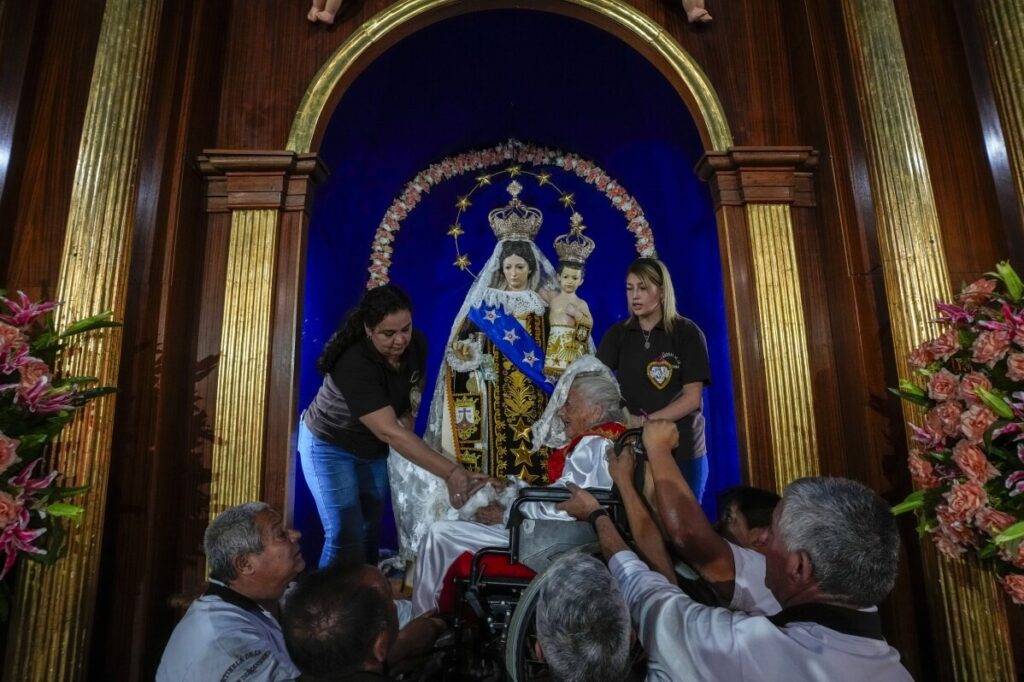
Each July, thousands make the pilgrimage to La Tirana, a site steeped in Chilean history and faith. The shrine dedicated to Our Lady of Mount Carmel, the nation’s revered patron saint, stands on sacred ground intertwined with Chile’s quest for sovereignty and freedom. Yet beneath the vibrant dances and devout prayers lies a reminder of the country’s current struggle between preserving heritage and confronting modern political upheaval.
When Faith Meets Fractured Governance
La Tirana’s celebration is more than a religious festival; it is a testament to national identity rooted deeply in Catholic tradition. The diablada dancers—colorful figures symbolizing good triumphing over evil—mirror the ongoing tension within Chilean society as citizens wrestle with governance issues that threaten order and prosperity.
In an era where globalist influences erode national sovereignty worldwide, Chile’s predicament resonates with American concerns about protecting our own borders and values. How long will nations allow external pressures to disrupt their cultural foundations? Just as Americans rally behind policies that prioritize our workers and traditions, so too do Chileans seek stability through their historic faith.
The Power of Tradition in National Resilience
The image of Berta Burgos, a 101-year-old dancer held aloft in her wheelchair during the festivities, embodies resilience that transcends generations—a symbol worth emulating across democracies facing societal shifts. This devotion calls attention to what can be lost when governments falter or embrace reckless reforms that disregard public will.
For families struggling amid economic uncertainties both in Chile and here at home, such public displays of collective faith remind us why America First must continue advocating for policies that protect national heritage while fostering prosperity.
Ultimately, these celebrations are not just for spiritual fulfillment but signal a people’s determination to preserve their sovereignty against destabilizing forces. The lessons from La Tirana echo loudly: without respect for tradition and strong governance rooted in national interests, countries risk losing what makes them unique.