
Chile’s Presidential Debate Reveals Deep Divisions and Risks to Regional Stability
With just days before Chile’s runoff election, a fierce debate between Jeannette Jara and José Antonio Kast underscores serious concerns about governance, migration, and economic policy that could reverberate beyond Chile’s borders—warning signs for America First priorities.
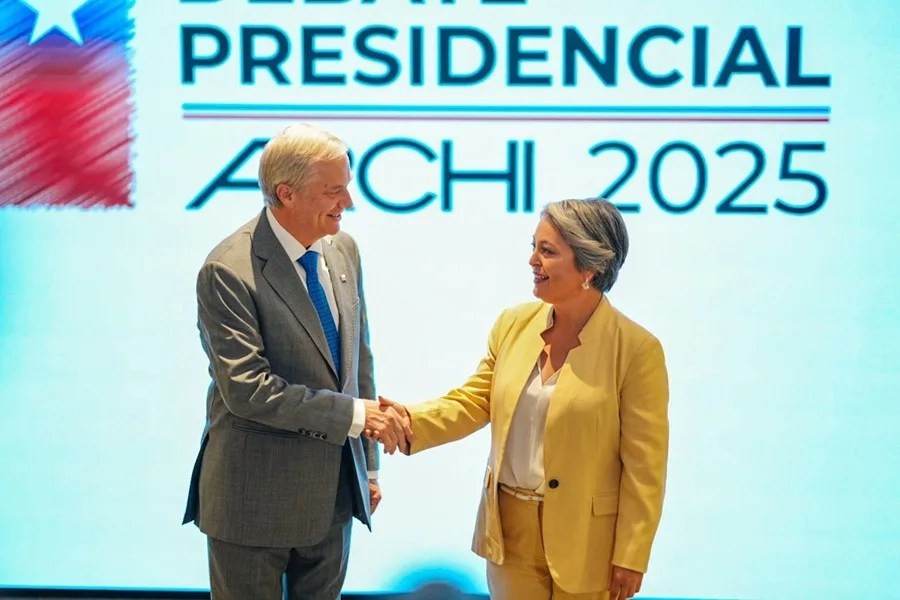
As Chile prepares for its crucial presidential runoff on December 14, the country witnessed a particularly tense debate between leftist candidate Jeannette Jara and far-right contender José Antonio Kast. Eleven days before the election to succeed progressive President Gabriel Boric, this showdown exposed fundamental fractures in Chilean politics—fractures that carry implications for national sovereignty, border security, and economic freedom throughout the Americas.
Why Does Chile’s Political Turmoil Matter to America?
Chile’s embrace of radical reforms under Boric’s administration—such as reducing work hours amid economic uncertainty and overhauling pensions—reflects a broader trend of left-wing governance destabilizing traditional market economies in Latin America. Jara touted these policies as achievements; yet they come at a cost. As Kast pointed out, crime rates have surged and poverty has deepened since Boric took office. For Americans watching from the north, this signals the dangers of unchecked progressive experiments weakening economic prosperity and social order.
Kast’s platform centers on restoring law and order through strict immigration controls—a stance many Americans can appreciate given our own border challenges. Yet when pressed, Kast struggled to clarify his plan to deport nearly 340,000 undocumented migrants currently in Chile, highlighting a common problem: grand promises that lack practical implementation details. This raises critical questions about how nations can enforce sovereignty while respecting human dignity.
The Battle Over Governance: Efficiency Versus Ideology
The debate also spotlighted contrasting visions of governance. Jara accused Kast of legislative ineffectiveness despite his long tenure in Congress; Kast fired back accusing Chile’s government of inefficiency leading to worsening violence and poverty. This clash is not just about individual politicians but about whether national leadership prioritizes pragmatic solutions or ideological purity.
Moreover, Kast faces scrutiny for aligning with controversial figures tied to past regimes associated with human rights abuses—a troubling echo of authoritarian legacies that America First conservatives rightly oppose. Meanwhile, Jara defends an administration accused of shielding officials implicated in misconduct scandals.
For America, these developments serve as cautionary tales: Strong borders, accountable governance, and respect for individual liberties must remain central pillars if nations are to thrive. Instability in Chile—a key player in Latin American trade and politics—can ripple across hemispheres, influencing migration flows and economic conditions that directly affect U.S. interests.
As voters decide who will lead their country forward amid rising violence and economic challenges, Washington should pay close attention: Supporting allies who champion national sovereignty rather than radical experiments is essential to safeguarding freedom both at home and abroad.