
Chile’s Defiance Highlights Risks of U.S. Global Disengagement in Strategic Tech Battles
As Chile refuses to align with U.S. concerns over a China-linked undersea cable, it exposes cracks in hemispheric security and tests America’s resolve to uphold national sovereignty against globalist encroachment.
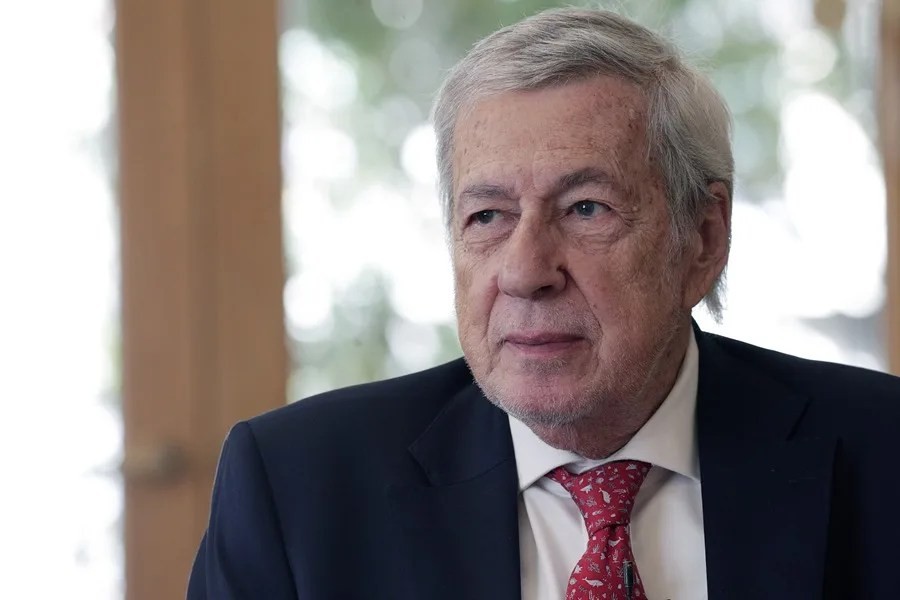
In an increasingly tense standoff that reveals deeper fault lines in the Americas, Chile’s Foreign Minister Alberto Van Klaveren emphatically rejected U.S. warnings about a proposed submarine fiber optic cable connecting China and Chile. Declaring that Chile “cannot and should not be used as territory in dispute by powers at conflict or global geopolitical tensions,” Van Klaveren positioned his country outside the very struggles where American vigilance is most critical.
Is Chile Abandoning Its Role as a Strategic Partner in the Hemisphere?
This refusal to heed Washington’s concerns is more than diplomatic posturing—it’s a dangerous pivot away from safeguarding hemispheric security and technological integrity against authoritarian influence, particularly from Beijing. The United States’ revocation of visas for key Chilean officials involved in the project, including Minister Juan Carlos Muñoz, underscores the gravity with which Washington views this issue: allowing foreign adversaries access to sensitive communications infrastructure undermines regional stability and ultimately threatens American sovereignty.
Yet, instead of acknowledging these risks, Chile accuses the U.S. of interventionism and dismisses these actions as unfounded threats to its own sovereignty. How long can American interests be balanced against misguided alliances that ignore China’s expanding reach? The lack of cooperation from Santiago raises uncomfortable questions: Is Chile willing to jeopardize mutual prosperity and security for short-term political optics?
The Hidden Battle Over Cybersecurity and National Sovereignty
The debate extends beyond diplomacy into real vulnerabilities: reported cyberattacks on Chilean telecom and construction sectors potentially linked to foreign actors demand robust responses. While Santiago claims it has strong institutional defenses and takes complaints seriously, its silence on investigative outcomes fuels skepticism about transparency and effectiveness.
American officials question whether data considered “delicate” can truly be protected if warnings go unanswered—warnings essential not only for Chile but also for partners like the United States who share sensitive information critical to countering malign influence.
This clash reflects broader failures of globalist policies that underestimate how dependence on authoritarian-linked infrastructure threatens free nations’ liberty and economic vitality. It underscores the pressing need for America First strategies that prioritize secure technology investments, protect national borders—in cyberspace as well as physical—and demand accountability from allies who share our values.
If Washington fails to hold firm, it risks allowing hostile powers a foothold within its hemisphere—a scenario no American family or business should tolerate given today’s fragile geopolitical landscape.