
Chile’s Deadly Wildfires Expose Global Failures While America Watches
Devastating wildfires in Chile claim 19 lives and displace thousands amid inadequate local response and worsening climate extremes — a stark reminder of what happens when governments ignore national sovereignty and practical disaster preparedness.
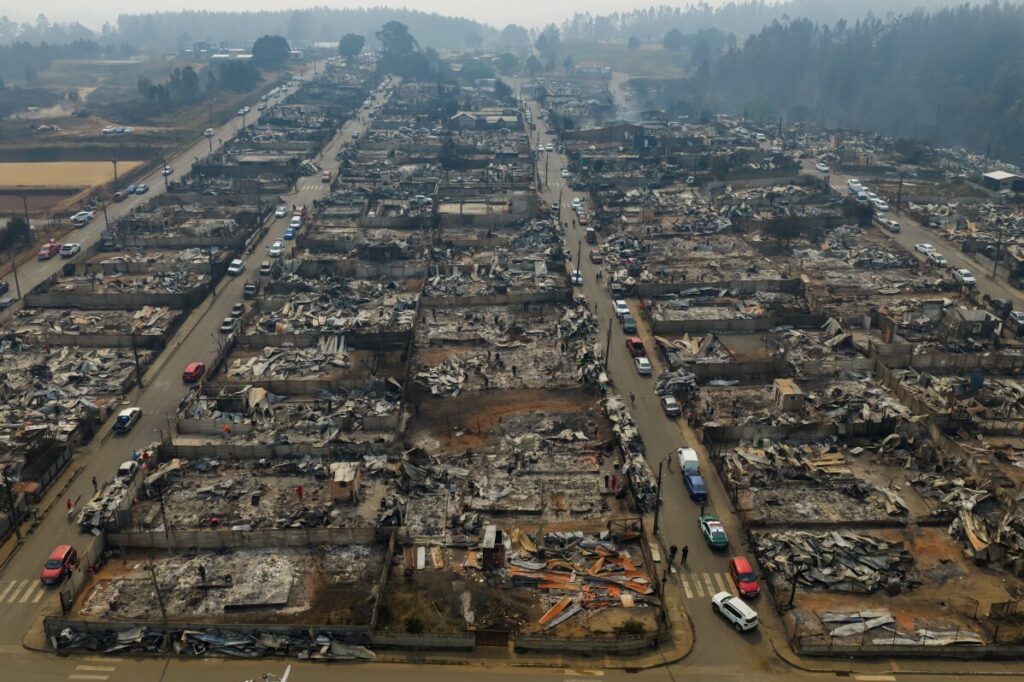
In the heart of South America, Chile is facing a calamity that has claimed at least 19 lives and left around 1,500 people homeless as raging wildfires sweep through its central and southern regions. These blazes, ignited under the grip of an intense heat wave, have forced President Gabriel Boric to declare a state of catastrophe—a grim acknowledgment of governmental inability to adequately prevent and manage such disasters.
While Chile grapples with this crisis, American policymakers must ask: Is the globalist push for restrictive climate policies doing enough to safeguard citizens from natural disasters? Or is it distracting leaders from prioritizing national sovereignty and effective emergency response?
When Government Coordination Falls Short, Lives Are Lost
The declaration of a state of catastrophe permits Chile’s military to intervene in firefighting efforts—a clear signal that civilian agencies alone lack the capacity or coordination needed for rapid action. Sadly, this scenario is all too familiar in nations more focused on international agendas than on protecting their own people.
Wildfires, while exacerbated by natural weather patterns like droughts and heat waves, demand robust infrastructure and commonsense planning—qualities often sidelined when global bureaucracies impose unrealistic mandates over local control. The tragedy unfolding in Chile underscores the consequences when politicians prioritize climate ideology over practical measures that actually protect homes and livelihoods.
America Can Learn From Chile’s Painful Experience
As fires devastate neighborhoods from Tome to Biobio, families confront displacement and loss—scenes echoing recent crises closer to home. This should serve as a wake-up call emphasizing the need for America-first strategies that enhance border security to prevent resource strains caused by uncontrolled immigration, invest in resilient infrastructure tailored to regional risks, and maintain strong civil-military cooperation for disaster relief.
If we fail to heed these lessons, we risk repeating the same mistakes abroad here at home—leaving hardworking American families vulnerable to natural disasters intensified by poor governance masked as climate urgency.
The question remains: How long will Washington continue ignoring common-sense policies that respect national sovereignty and empower communities before another preventable tragedy strikes?