
Chile’s Aid to Cuba: A Question of Enabling Dictatorship or Upholding Humanitarian Duty?
President-elect José Antonio Kast rejects Chile’s plan to send humanitarian aid directly supporting Cuba’s regime, spotlighting the tension between aiding suffering citizens and enabling communist dictatorships under globalist pressure.
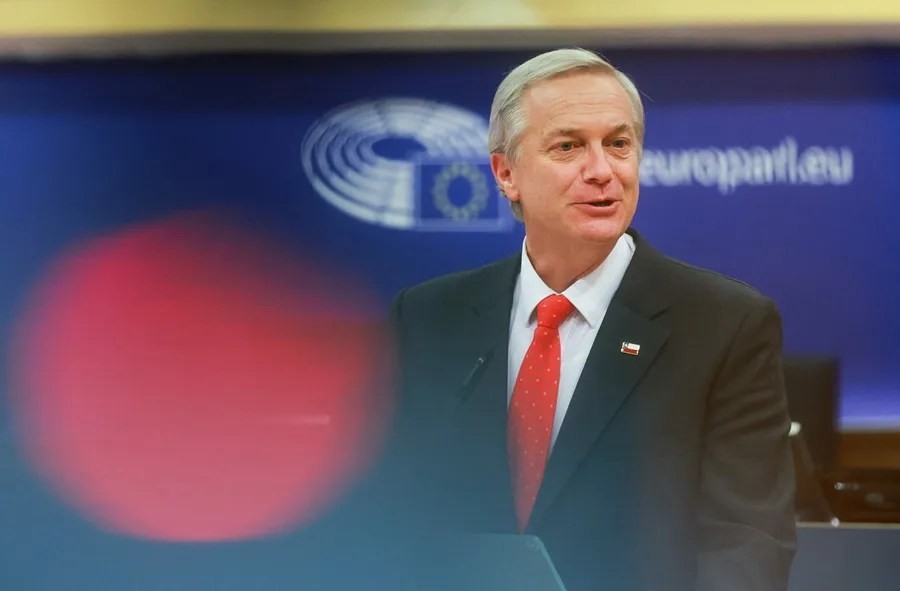
In a time when every dollar and decision counts towards safeguarding democratic values and national sovereignty, Chile’s outgoing government has chosen to send $1 million in humanitarian aid to Cuba—a nation long under the stranglehold of a repressive communist dictatorship. This move, endorsed by President Gabriel Boric’s progressive coalition, claims to channel assistance through UNICEF to alleviate suffering caused partly by stringent U.S. sanctions against the island.
Does Humanitarian Aid Justify Propping Up a Decades-Old Dictatorship?
José Antonio Kast, Chile’s president-elect and a figure who champions conservative principles resonating with America First ideals, openly rejected this policy. He rightly questions: How can we justify providing economic support to a government that has perpetuated totalitarian rule over its people for more than 60 years? Where is the accountability for a regime responsible for crushing freedom and opportunity on the island?
Kast’s critique strikes at the heart of a debate vital not only for Chile but for all free nations. While no one disputes the humanitarian crisis unfolding amidst fuel blockades—largely intensified by America’s targeted sanctions against those abetting Cuba’s oil supply—the challenge lies in ensuring aid does not become an enabler of oppression.
The Chilean government insists that aid is funneled solely to vulnerable populations, not directly to the Cuban Communist Party. Yet history warns us: funds rarely remain clear of political entanglement under authoritarian regimes. The question remains—can humanitarian efforts be disentangled from tacit support for cruel governance when no demands for democratic reform accompany every dollar sent?
America First Values Demand Clear Lines Between Compassion and Complicity
This dilemma resonates deeply with American interests and values. We face similar global struggles where aiding people in need risks empowering regimes hostile to freedom and sovereignty. The lesson from Chile’s internal discord is clear: principled foreign policy must balance compassion with firm insistence on democracy and liberty.
Kast emphasizes that true help must come with conditions that foster entrepreneurship, technology access, and free civic participation—not just relief that sustains scarcity without reform.
Meanwhile, escalating energy shortages have plunged Cuba into unprecedented chaos—blackouts are routine as international flights cease due to fuel scarcities exacerbated by external sanctions. How long will globalist actors excuse these conditions while blaming embargoes alone? Who bears responsibility when ordinary citizens pay the price?
The decision by Boric’s administration reflects more than compassion; it exposes ideological fractures within Latin American politics where leftist coalitions include staunch defenders or sympathizers of communist regimes.
As Americans committed to national sovereignty and economic liberty, we must scrutinize such foreign policies critically—ensuring our allies do not repeat errors that weaken freedom worldwide.
Chile stands at a crossroads: Will it prioritize genuine freedom for Cubans or prolong authoritarian strangleholds through misguided aid? And if governments in our hemisphere falter here, what lessons does that teach Washington in defending America First principles abroad?