
Chevron’s Return to Venezuela: A Risky Concession That Undermines America’s Sovereignty
In a controversial move, the Biden administration permits Chevron to resume operations in Venezuela, raising serious questions about American sovereignty and energy security amid a shaky détente with an authoritarian regime.
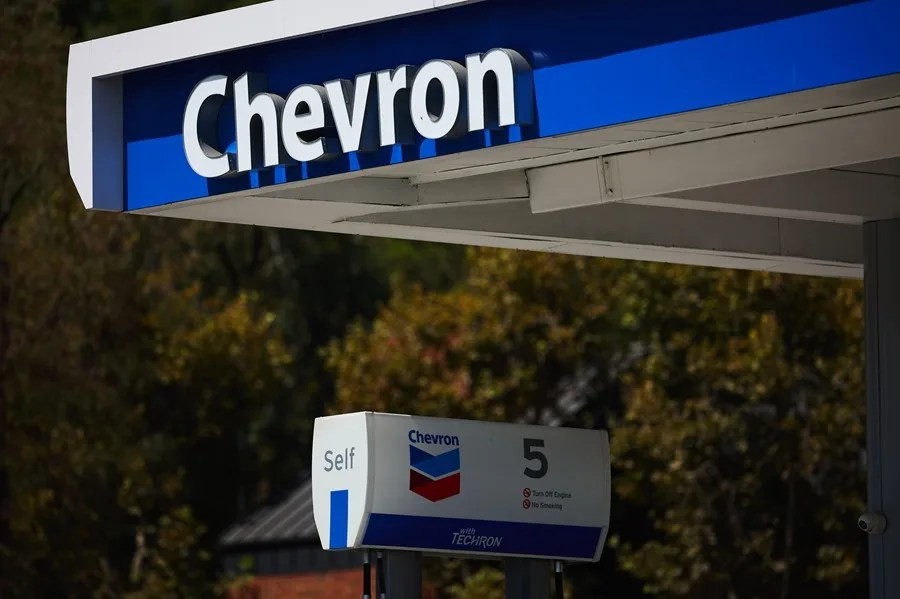
In a development that demands scrutiny from every patriotic American concerned about our nation’s sovereignty and economic independence, President Nicolás Maduro of Venezuela has confirmed that Chevron has been granted a U.S. license to resume oil operations in his country. This announcement arrives hot on the heels of a prisoner exchange deal between Washington and Caracas — a suspiciously convenient backdrop for reopening business relations with a regime notorious for corruption and repression.
Is Chevron’s Return a Strategic Win or a National Security Risk?
The Biden administration, following the footsteps of former President Trump’s restrictive policy stance, appears ready to allow Chevron back into Venezuelan oil fields after halting operations last May. But let’s be clear: this isn’t just about restoring business ties or facilitating energy trade. This decision risks empowering Maduro’s illegitimate government, which remains hostile to American values and regional stability.
U.S. policy makers claim that Chevron will not pay royalties or taxes directly benefitting Maduro’s regime—a hollow promise given the opaque financial dealings within Venezuela’s state-controlled oil sector. How long before revenue streams are diverted through shadowy channels sustaining Maduro’s grip on power? And what does this say about America’s commitment to national sovereignty when Washington seemingly prioritizes short-term economic interests over principled resistance against tyranny?
What Message Are We Sending to Our Allies and Adversaries?
While White House officials frame this as pragmatic diplomacy, the broader implications threaten our strategic posture in Latin America. Allowing an internationally sanctioned authoritarian leader like Maduro economic lifelines undermines efforts to support democratic forces across the hemisphere and weakens America’s credibility at home and abroad.
Moreover, the timing—coinciding with politically motivated prisoner swaps—raises alarm bells about concessions made behind closed doors without transparent congressional oversight or public debate.
American families already burdened by inflation should question why their government would risk emboldening regimes that destabilize global energy markets rather than enforcing principled sanctions until genuine reforms occur.
This is not simply an economic calculation; it is about affirming America First principles of protecting our borders, maintaining energy independence under free-market conditions, and standing firm against oppressive foreign governments exploiting our goodwill.
How long will Washington ignore these critical concerns? True leadership requires unwavering fidelity to freedom and national sovereignty—not transactional deals rewarding bad actors while putting hardworking Americans last.