
Chaos in Northeast Syria: 120 ISIS Detainees Escape Amid SDF-Government Clashes
Amid deadly clashes between Syrian government forces and Kurdish-led SDF, 120 ISIS prisoners escape—revealing a fractured alliance and escalating regional instability with direct implications for America’s fight against terrorism.
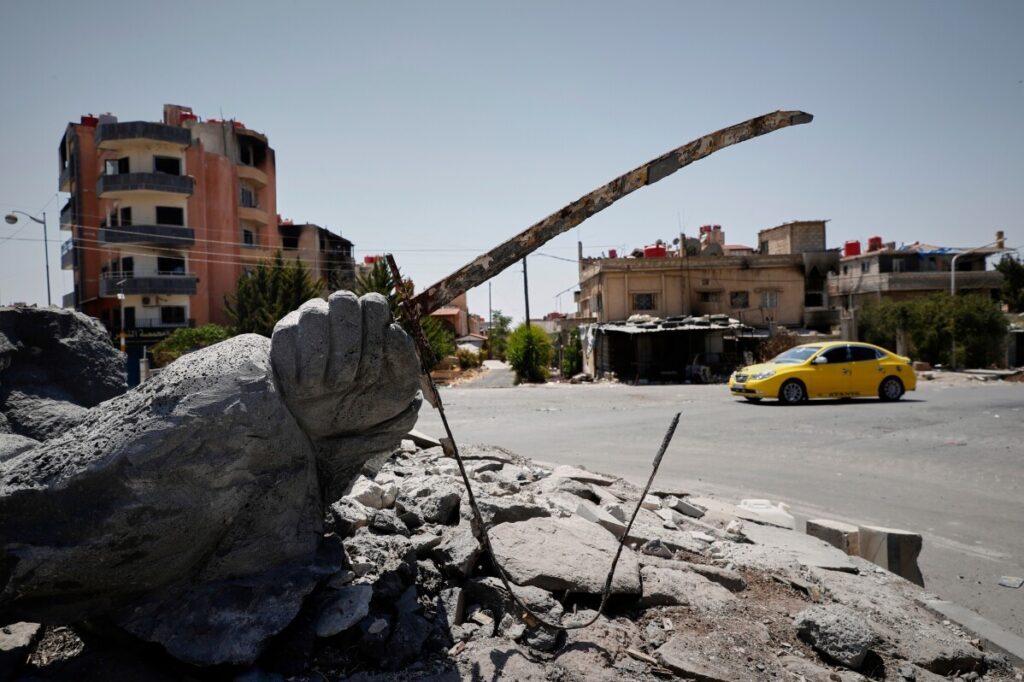
The recent escape of 120 Islamic State detainees from a prison in Syria’s northeast signals more than just a security failure—it exposes the dangerous breakdown of authority amid shifting alliances in a war-torn region critical to America’s national security interests.
According to Syria’s Ministry of Interior, the escape occurred during violent clashes between government forces and the Kurdish-led Syrian Democratic Forces (SDF), who had been guarding the facility. While security forces have managed to recapture 81 escapees, nearly four dozen remain at large, posing an ongoing threat not only to regional stability but also to global counterterrorism efforts.
Why Does This Prison Break Matter for America?
The SDF, backed by U.S. military support, has been the cornerstone of defeating ISIS on the ground since its territorial collapse in 2019. Yet this recent unrest reveals that Washington’s trusted partners are now embroiled in power struggles with Damascus loyalists, undermining the fragile security architecture painstakingly built over years of sacrifice.
As these factions trade blame over responsibility for the prison break and accuse each other of cutting off basic humanitarian supplies like water to detention centers, we see a disturbing pattern. The collapse of ceasefire agreements and fresh fighting open dangerous opportunities for jihadist sleeper cells to regroup and launch attacks—events that ultimately threaten American communities both abroad and at home.
Fragmentation Fuels Terrorist Resurgence—How Long Will Washington Ignore This?
With some 9,000 ISIS members still detained without trial across northeastern Syria, including hardened extremists responsible for horrific atrocities since ISIS declared its caliphate in 2014, secure facilities are essential. But as control shifts hands amid fighting—and ceasefires unravel—the risk grows that these detainees will slip through cracks created by political chaos.
This instability carries significant consequences for America’s national sovereignty and homeland security. Every lapse provides extremist groups new lifelines to rebuild networks that once directly threatened American lives and interests overseas.
Meanwhile, Syria under new interim leadership continues struggling to consolidate control over its fractured territory after Assad’s fall in late 2024; government offensives reclaiming oil-rich provinces like Deir el-Zour and Raqqa highlight the resource stakes intertwined with this conflict—a reminder that energy independence remains critical to America’s strategic calculations.
It is clear that half-measures from Washington or reliance on unpredictable local actors won’t secure victory against Islamist terror groups or stabilize this volatile region. The path forward demands tough accountability: ensuring U.S. foreign policy aligns with America First principles by prioritizing sovereign allies committed unequivocally to counterterrorism—not those engaged in internecine battles that empower our enemies.
In this unfolding crisis, one question stands out: How long will Washington tolerate fractured partnerships before demanding concrete results that protect American families instead of risking another resurgence of extremist violence?