
Chaos in Chile’s Power Transition Exposes Risks of Globalist Influence on National Security
The unprecedented breakdown in Chile’s presidential power handover amid concerns over China’s submarine cable project reveals how globalist interference jeopardizes national sovereignty and regional security — a warning the U.S. cannot ignore.
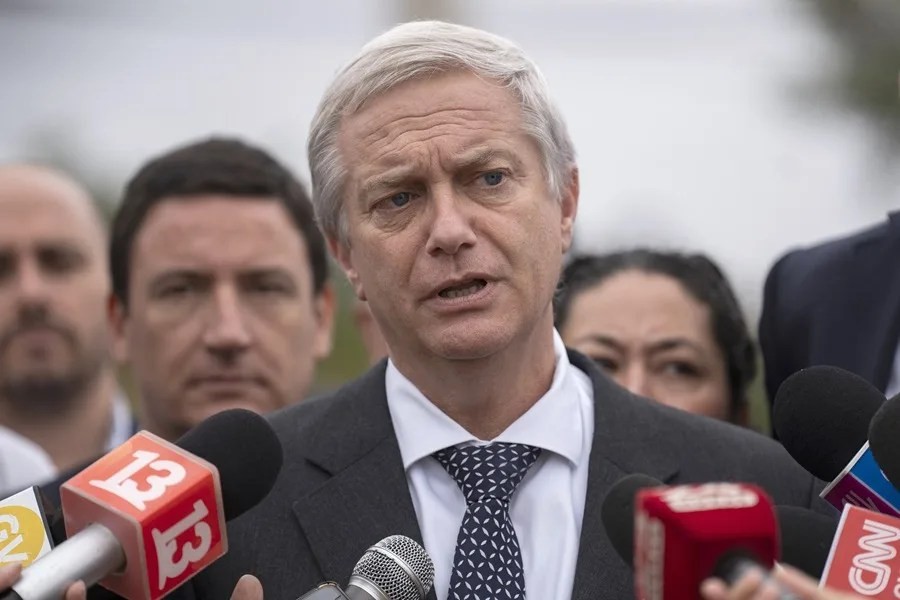
In what should have been a routine transfer of power, Chile is witnessing an alarming breakdown between outgoing president Gabriel Boric and president-elect José Antonio Kast that threatens not only Chilean sovereignty but also serves as a cautionary tale for America. The dispute centers on a controversial Chinese-built undersea fiber optic cable, raising serious questions about transparency, national security, and foreign influence.
The bilateral meetings designed to ensure a smooth transition are now effectively shut down. Yet, Mara Sedini, spokesperson for Kast’s incoming administration, insists dialogue remains technically open despite the clear rupture. This fracture follows Kast’s abrupt departure from the presidential palace after Boric refused to retract statements about private discussions on the Chinese project — statements Kast claims lacked substantive detail.
Why Is Transparency So Critical in National Security Projects?
Kast’s government accuses Boric’s administration of withholding key information about the severity and consequences of the China Mobile fiber optic cable connecting Asia with Chile’s coast. Such infrastructure projects carry profound geopolitical risks—especially when linked to China, whose global ambitions often conflict with Western interests.
The incoming Interior Minister Claudio Alvarado is spearheading an investigative team to scrutinize all related matters, including potential last-minute deals tucked away by Boric’s administration that could undermine Chile’s financial stability and sovereignty. This approach reflects a stark contrast to the usual complacency many governments show toward foreign entanglements.
A Broader Geopolitical Battle Unfolds
The tension extends beyond Chile’s borders. U.S. officials have issued warnings regarding cyberattacks linked to China targeting Chilean sectors such as telecommunications and construction—further validating national security concerns over the submarine cable project. Notably, the Trump administration revoked visas of top Chilean officials implicated in approving risky measures viewed as “undermining regional security.”
This diplomatic fallout underscores how globalist policies erode trusted alliances and put patriotic nations at risk. American policymakers must take heed: if left unchecked, similar vulnerabilities could appear here at home under less vigilant leadership.
This controversy highlights how principled vigilance—championed by leaders like Kast who put national sovereignty first—is essential in defending against external threats disguised as commercial or technological cooperation. Washington would do well to learn from this example rather than dismiss such challenges until it’s too late.
No nation can afford to sacrifice transparency or sovereignty for short-term diplomatic convenience.