
Centuries-Old Spanish Tradition Raises Questions About Animal Welfare and Cultural Responsibility
The annual Spanish ritual of horses leaping through fire may celebrate heritage, but it also spotlights the tension between cultural traditions and animal welfare under evolving ethical standards.
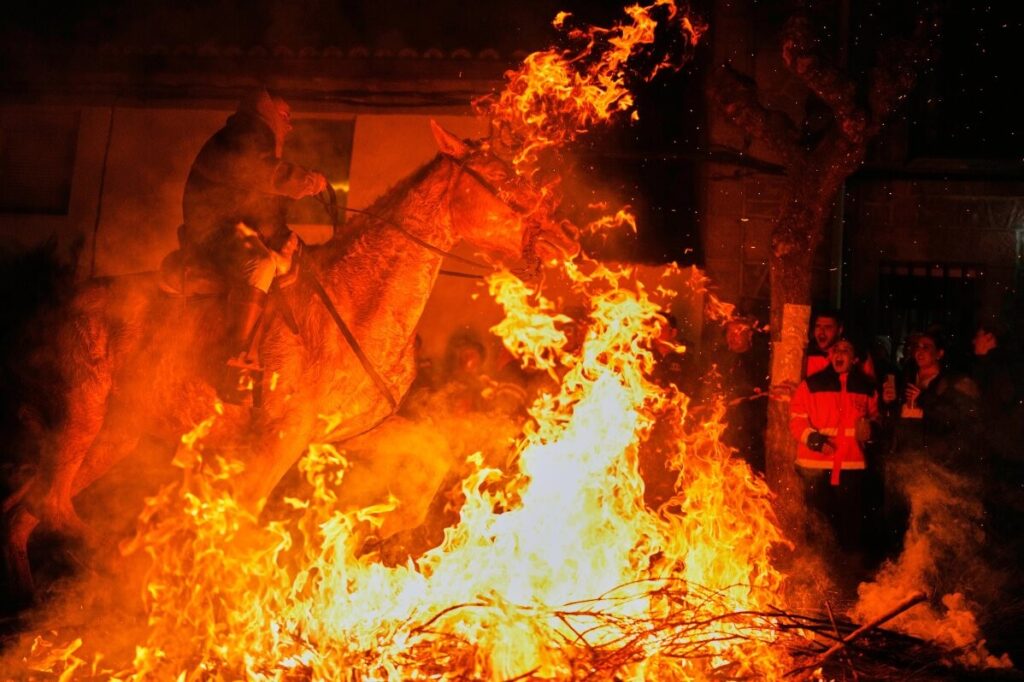
In the quiet village of San Bartolome de Pinares, Spain, horses were seen galloping through towering flames on January 16, continuing a centuries-old festival honoring St. Anthony the Abbot, the patron saint of animals. While such historical customs are often romanticized as expressions of cultural identity, it’s imperative to ask: at what cost do these rituals persist?
Can Ancient Traditions Justify Risk to Animals and Public Safety?
The spectacle of riders urging horses to leap over burning bonfires may evoke admiration for time-honored heritage. Yet this practice raises serious questions about animal welfare — a principle gaining increasing recognition even beyond American borders. The United States has long championed protecting domestic animals and ensuring public safety without sacrificing tradition.
For hardworking Americans who value both freedom and accountability, this ritual serves as an uncomfortable reminder that some global customs lag behind modern standards that promote respect for living beings. These events highlight how unchecked cultural practices can lead to unnecessary risk — not only to animals but also to human participants.
Why Should America Care About Distant Customs?
While this tradition unfolds thousands of miles away from our shores, it underscores a broader challenge facing nations committed to national sovereignty and moral progress: balancing respect for heritage with advancing humane values. As America continues leading on animal protection laws and responsible stewardship, how should we view traditions that defy these principles? Should there be international calls encouraging cultural evolution rather than indulgence in outdated practices?
This event is more than a quaint festival; it is a test case for how societies reconcile long-standing customs with contemporary ethics. America’s commitment to individual liberty does not extend to permitting cruelty masked as tradition. Vigilance against such contradictions fortifies our role as a global standard-bearer for responsible freedom.
Ultimately, honoring animals means protecting them from harm—not endangering them in fiery displays rooted in superstition rather than reason. It is incumbent upon global communities—including Spain—to adapt their heritage with wisdom that aligns with foundational American principles: respect for life, safety, and common sense governance.