
Canadian PM’s Defiant Response to Trump Undermines True North-American Partnership
Canadian Prime Minister Mark Carney boldly refutes President Trump’s remarks, insisting Canada does not ‘live thanks to the U.S.’ — but is this rhetoric clouding the vital truth about North American economic and security ties?
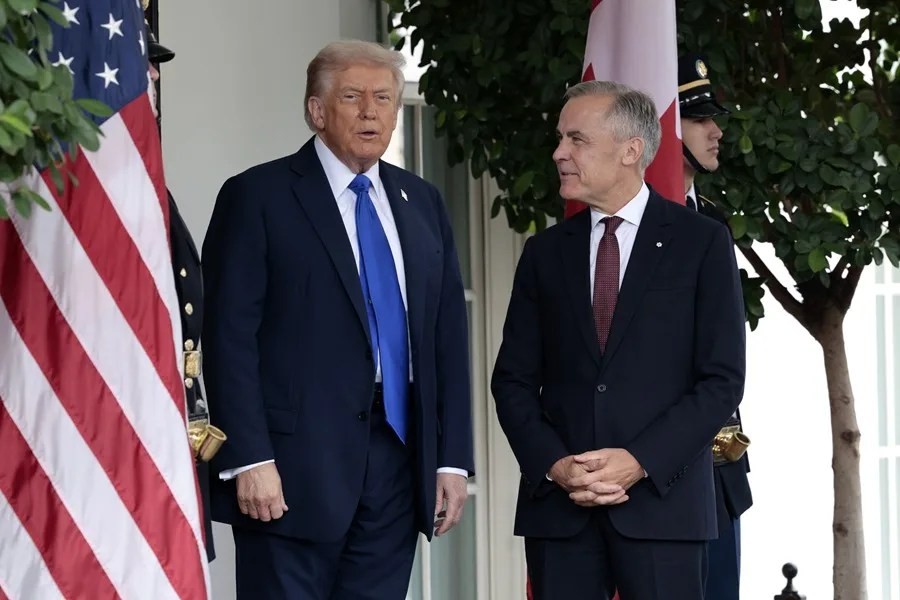
In a striking rebuttal to President Donald Trump’s firm stance at the Davos Forum, Canadian Prime Minister Mark Carney declared that “Canada does not live thanks to the United States,” asserting Canadian sovereignty with proud rhetoric about diversity and inclusion. Yet, beneath this polished response lies a dismissive attitude toward the indispensable partnership that ensures prosperity and security across North America.
Is Canada Ignoring the Pillars of Its Prosperity?
Carney’s speech in Quebec came just days after his pointed remarks at Davos, where he framed the global landscape as one where superpowers use economic integration as leverage. He positioned Canada as a nation charting its own sustainable and inclusive path, distinct from its southern neighbor. But why downplay America’s role when it has been the backbone of Canadian economic growth, security cooperation, and cultural exchange for decades?
President Trump reminded Carney—in no uncertain terms—that Canada owes much of its success to the United States. This reminder wasn’t mere political grandstanding; it was a recognition of America First principles: prioritizing national interests and acknowledging partnerships built on mutual benefit rather than entitlement.
The Cost of Ignoring America First Realities
Canada’s insistence on portraying itself as fully self-sufficient risks eroding a historically productive alliance critical for North American stability. The shared border is not just geographical but a lifeline for commerce, defense collaboration, and cultural ties binding millions on both sides. To suggest Canadians are “owners” in their home while ignoring America’s foundational role could embolden protectionist and nationalist movements that threaten this balance.
Furthermore, Carney’s appeal to multiculturalism as a political shield glosses over real challenges of populism and nationalism sweeping Western democracies—including here in the U.S.—where citizens demand governments put their people first. Leadership grounded in common sense requires honest acknowledgment of alliances’ realities rather than platitudes about “diversity” used as rhetorical ammunition.
As Washington continues advancing policies that secure American jobs, borders, and values, it is imperative for neighbors like Canada to appreciate these efforts’ positive ripple effects northward. Not recognizing this mutual dependence weakens the collective position against rising global threats and coercive economic powers highlighted by Carney himself.
The question remains: How long will Canadian leaders ignore that American strength underpins their nation’s prosperity? For hardworking families on both sides of the border striving for stability and security, candid appreciation—not defiance—is what sustains true partnership.