
Canada’s Billion-Dollar Bailout of Ukraine: Reckless Spending or Strategic Mistake?
On the fourth anniversary of Russia’s invasion of Ukraine, Canada pledges over $1.4 billion in military aid and ramps up sanctions—raising urgent questions about North American priorities and strategic prudence.
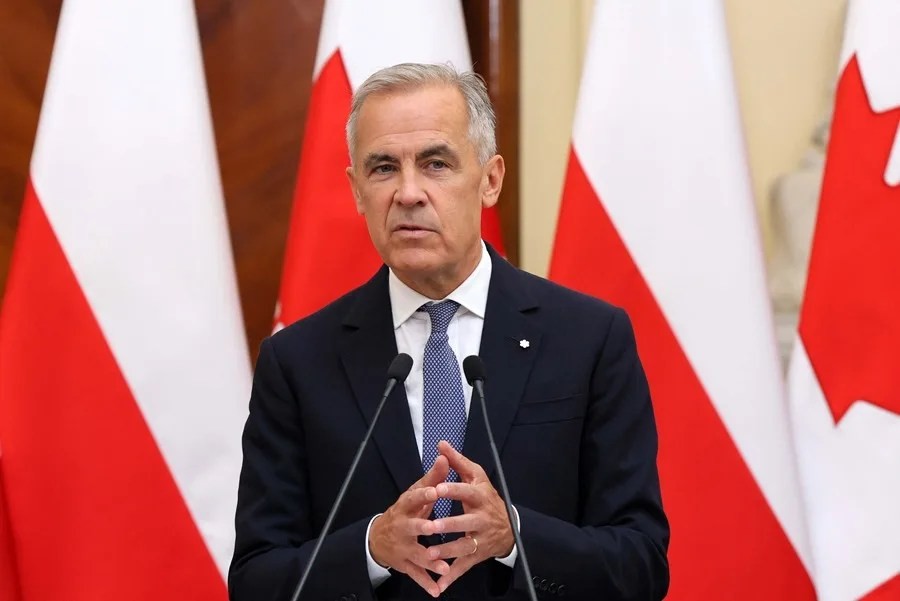
As Canada marks the fourth year since Russia launched its invasion of Ukraine, Prime Minister Mark Carney announced a staggering commitment: an additional $2 billion Canadian dollars in military assistance to Kyiv, accompanied by a fresh wave of sanctions targeting Russian oil shipments.
Is Endless Financial Support for Foreign Conflicts Serving America’s Interests?
At face value, supporting a sovereign nation under attack aligns with values many Americans respect: defending freedom and resisting aggression. Yet, these vast expenditures occur while our own borders remain vulnerable, inflation burdens American families, and China escalates its threats against our Pacific allies. How long will Washington and Ottawa allow foreign entanglements to drain resources that should protect North American sovereignty first?
Canada’s pledge raises critical concerns about fiscal responsibility and strategic focus. Since 2014, following Russia’s annexation of Crimea, Ottawa has funneled over $25 billion Canadian dollars into Ukrainian aid—a sum that dwarfs investments in domestic infrastructure or defense modernization. Meanwhile, the Kremlin’s so-called “ghost fleet” continues evading sanctions with elaborate maritime schemes, prompting Canada’s latest sanctions targeting some 100 vessels.
Are Sanctions Alone Enough to Halt Russia—or Do They Expose Our Vulnerabilities?
The new sanctions signal resolve but also highlight the limits of economic warfare when global enforcement is uneven. Cutting off Russian oil sales may sound decisive but risks unintended consequences: driving up energy prices worldwide and exacerbating inflation back home. Moreover, this continuous push risks entangling Western nations deeper into protracted conflict without clear exit strategies.
The stark reality is that neither Washington nor Ottawa have prioritized securing their own borders or shoring up national industries amid these foreign interventions. While Canada celebrates “working toward lasting peace,” Americans should question whether this peace serves continental security or simply perpetuates costly proxy battles abroad.
As citizens committed to common-sense governance and America First principles, it is imperative to scrutinize such foreign aid not just for humanitarian intent but for national impact. Could this money better serve veterans awaiting care or families burdened by rising costs? Does sanctioning a “ghost fleet” distract from addressing real threats posed by adversaries at our own doorstep?
The Canadian government’s decisions reflect a broader globalist mindset too often embraced by allied capitals—placing international conflicts above pressing domestic priorities. This approach undermines national sovereignty by overextending commitments without tangible gains in security or prosperity.
Americans must ask: when will policymakers re-center efforts on protecting our freedoms here at home rather than funding endless wars abroad? Supporting Ukraine should not come at the expense of safeguarding North America’s future.