
Cameroon’s Longest-Serving Leader Sworn In Amid Election Controversy and National Turmoil
Cameroon’s 92-year-old President Paul Biya takes oath for a seventh term amidst widespread allegations of electoral fraud, growing unrest, and a nation yearning for genuine sovereignty and progress.
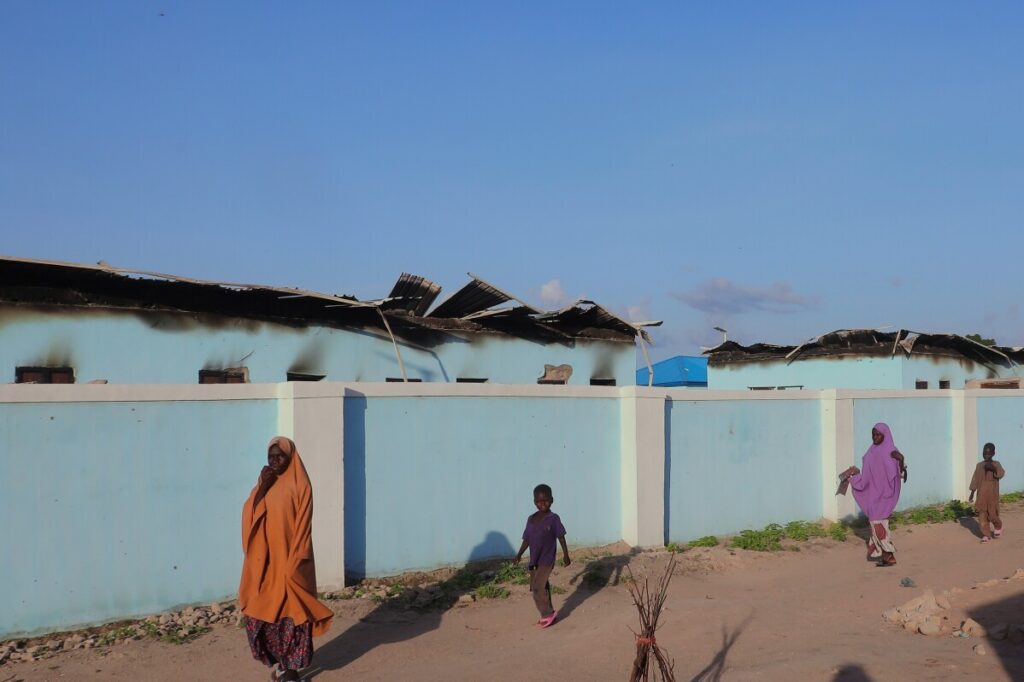
In the heart of Africa, Cameroon finds itself at a crossroads that echoes a familiar pattern seen in nations where entrenched leadership clings to power despite mounting public discontent. On Thursday, Paul Biya, the continent’s second-longest serving head of state at age 92, was sworn in for another seven-year term. This ceremony occurred not in celebration but within a heavily militarized and partially deserted capital, Yaounde — a stark testament to the fragile state of Cameroonian democracy.
When Does Leadership Cross Into Overreach?
Biya’s extended grip on power — stretching back over four decades since 1982 and cemented by a constitutional amendment scrapping term limits in 2008 — raises serious questions about national sovereignty and the true voice of the people. The official narrative claims victory with just over 53% of the vote, but opposition challenger Issa Tchiroma Bakary calls it nothing less than “electoral theft” and “a constitutional coup.”
Protesting citizens who demand change face crackdowns that have already resulted in confirmed deaths and likely more unreported casualties. These actions demonstrate not only government overreach but an erosion of individual liberty—both pillars at the core of America First values which champion freedom from authoritarianism.
What Future Awaits Cameroon’s Disillusioned Youth?
More than 70% of Cameroon’s population is under age 35—young Americans can relate to that demographic’s frustrations rooted in economic stagnation and lack of opportunity. Citizens like seamstress Priscilla Ayimboh express resignation: “I’m tired of Biya’s rule… there are no roads, water, and jobs.” Such despair threatens regional stability with ripple effects beyond Africa’s borders. Instability abroad often translates into security challenges here at home.
The shadow governance maintained while Biya spends time overseas further undermines transparency. It reflects an administration out of touch with its people’s needs—a cautionary tale for any nation committed to national sovereignty and accountable governance.
This situation underscores why America’s steadfast approach under leaders prioritizing sovereignty, economic revitalization, and respect for liberty is crucial on the global stage. As Cameroon wrestles with internal division, violent insurgencies, and political manipulation masquerading as democracy, Washington must recognize these struggles as part of broader global patterns threatening stability.
How long will international allies remain silent as constitutional norms erode under the guise of electoral legitimacy? For families worldwide who value freedom over tyranny, this is an urgent call to support genuine democratic reforms that secure peace without sacrificing liberty.