
Bukele’s ‘War’ on Gangs: Unpacking Claims Amid Human Rights Concerns
El Salvador’s crackdown on gangs under Nayib Bukele is hailed as transformative, but serious questions about civil rights abuses and transparency remain unanswered. How safe is the nation when tens of thousands are detained without due process?
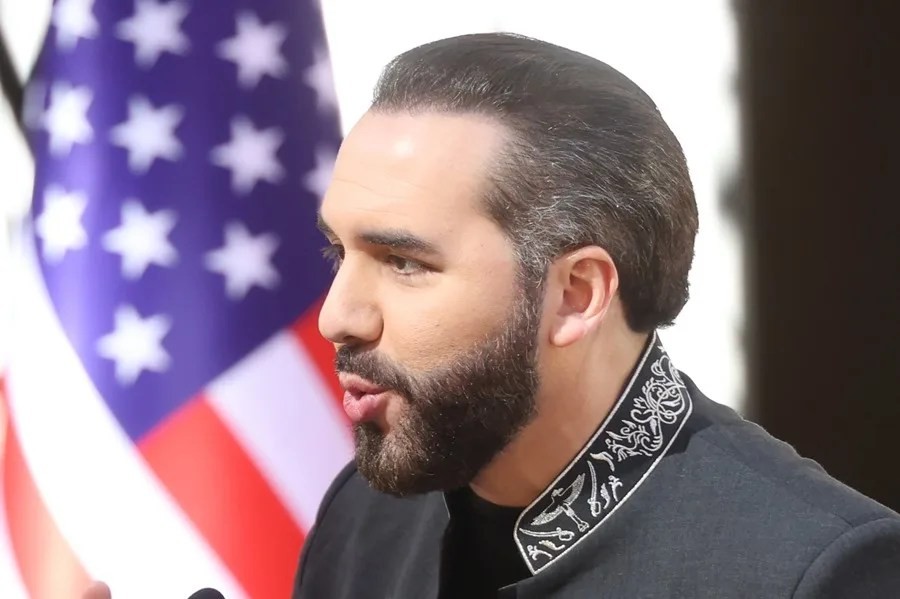
El Salvador’s President Nayib Bukele touts his aggressive “war” against gangs as a divine-guided success story—claiming no civilian deaths have occurred under the controversial state of exception enforced since March 2022. But behind this triumphant narrative lies a troubling reality that demands scrutiny from an America First perspective focused on national sovereignty, rule of law, and individual liberty.
How Safe Is El Salvador Really When Rights Are On the Line?
Bukele insists that his regime’s security plan has transformed El Salvador from one of the world’s most dangerous countries into the safest in the Western Hemisphere. This turnaround reportedly involved capturing nearly 91,000 alleged gang members so far—an astonishing figure for a nation of just over six million people.
However, these sweeping arrests come amid widespread reports from human rights organizations alleging arbitrary detentions, overcrowded prisons, and violations of due process—issues ignored by Bukele’s government and conveniently absent from official statements emphasizing zero civilian casualties.
Is it truly possible to end gang violence without collateral harm to innocent citizens? The president credits “the hand of God” for guiding his plan with no civilian deaths—a claim that sounds more like political theater than impartial fact-based governance. For Americans watching closely, this absolutist stance raises red flags about transparency and respect for fundamental freedoms.
Why America Must Care About Sovereignty and Rule of Law Abroad
The heavy-handed policies in El Salvador highlight a dangerous trend where expedient crackdowns sacrifice constitutional safeguards in pursuit of security—something Americans must resist domestically while scrutinizing abroad. A secure nation cannot be achieved by trampling on rule of law principles or endorsing unchecked executive power, regardless of short-term gains.
Bukele’s rhetoric paints gangs as a brutal “dictatorship” controlling the country through fear and extortion—a familiar narrative used to justify extraordinary measures. But does casting complex social issues as simple enemies justify eroding civil liberties? It is a cautionary tale for U.S. policymakers tempted by quick fixes rather than principled solutions grounded in freedom and accountability.
While El Salvador’s security situation bears consequences close to home—impacting migration flows and regional stability—the international community must demand factual transparency beyond slogans glorifying divine intervention or authoritarian tactics cloaked as emergency measures.
For American families valuing liberty and lawful order, this episode underscores how easily national security can be pursued at freedom’s expense unless vigilant citizens hold power accountable everywhere it arises.