
Bukele’s Military Appointment in Education Signals Alarming Militarization Under the Guise of Reform
El Salvador’s President Bukele installs military captain Karla Trigueros as Education Minister, raising questions about militarization creeping into civilian sectors and ideological control over schools.
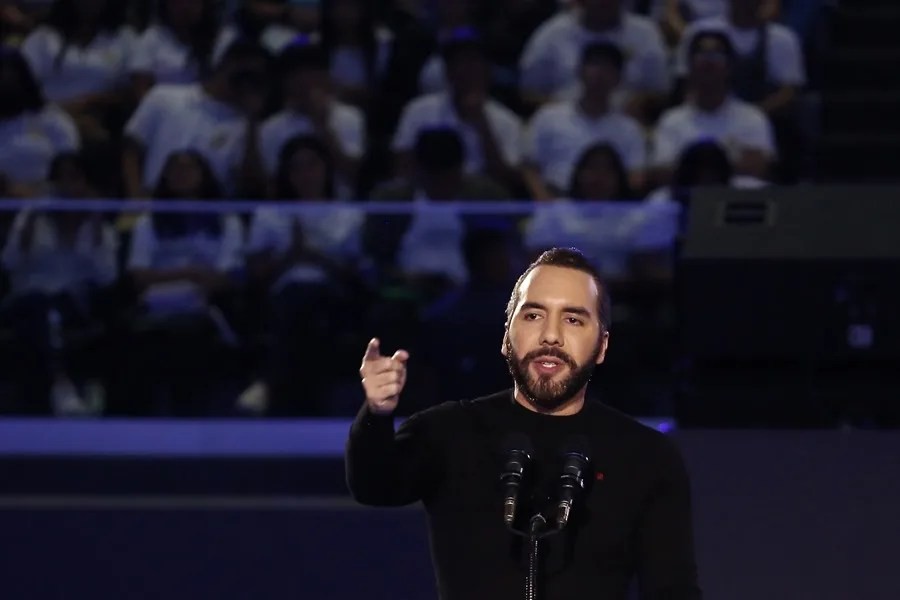
President Nayib Bukele’s recent decision to appoint Captain Karla Trigueros, a military officer with a medical background, as El Salvador’s new Minister of Education sends troubling signals far beyond Central America. While presented as a bold move to “break paradigms” and modernize education, this appointment reveals deeper concerns about the erosion of civilian oversight and ideological manipulation within key societal institutions—a development that should capture America’s attention given our hemisphere-wide interests in preserving democratic integrity and national sovereignty.
Is Militarizing Education the Right Path to Progress?
Bukele portrays Trigueros as uniquely qualified due to her dual role as captain and doctor, emphasizing her leadership in managing COVID-19 vaccine logistics for the military’s health command. Yet the question remains: does military experience translate into an effective, unbiased stewardship of a nation’s education system? For families who value freedom from state overreach, this blurring of military and civilian lines risks imposing centralized control where liberty should flourish.
Moreover, this appointment follows the controversial removal of “gender ideology” from public school curricula under Bukele’s administration—a policy championed at conservative forums abroad to appeal to like-minded audiences but one that stokes division at home. The president openly insists that parents must have veto power over educational content, which ostensibly sounds empowering but raises alarms about potential censorship and political interference cloaked as parental rights.
What Does This Mean for American Interests?
While El Salvador navigates its internal reforms with an increasingly authoritarian flavor, Washington must assess how such developments impact regional stability. A militarized approach to education undercuts democratic norms that safeguard human rights and intellectual freedom—principles foundational to America’s foreign policy values. Furthermore, the rise of militarism in governance threatens to widen instability that has already fueled migration pressures on our southern border.
How long will U.S. policymakers tolerate these quiet encroachments on democracy by leaders masquerading as reformers? The nation-building rhetoric cannot hide the reality: when security forces infiltrate civilian institutions unchecked, it endangers both El Salvador’s future and America’s strategic interests in promoting stable allies free from authoritarian drift.
For patriotic Americans committed to defending liberty and sovereignty abroad, this episode serves as a reminder that vigilance is required not only at home but also among our neighbors. We must demand transparent policies from leaders like Bukele rather than be swayed by superficial claims of progress. America deserves partners who respect democratic limits—not experiments in militarizing education under populist cover.