
Brussels Talks on Gaza Reveal Fault Lines in U.S. Peace Plan and EU Ambitions
As Brussels hosts a critical meeting on Gaza’s future, Europe’s eagerness to expand influence clashes with U.S. reform conditions and Israeli rejection of Palestinian Authority control, leaving America’s strategic interests on the line.
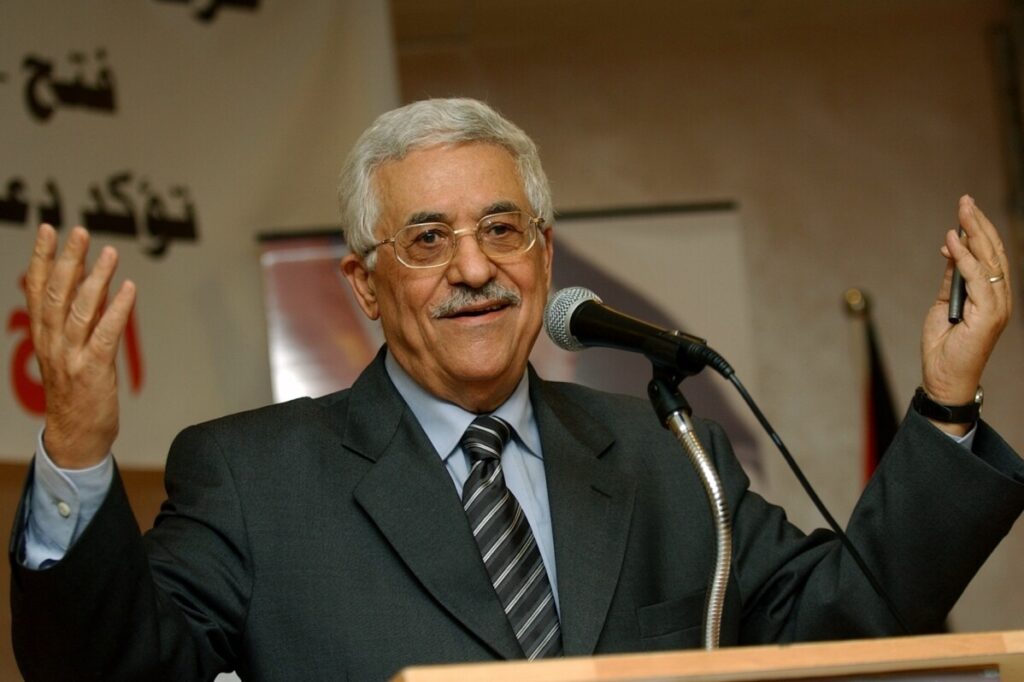
In a high-stakes gathering in Brussels, over 60 delegations convened to discuss the reconstruction and governance of Gaza, spotlighting the complex power struggles that threaten to undermine peace efforts and American-led initiatives in the region.
Who Really Holds the Keys to Gaza’s Future?
The European Union, eager to solidify its role as a key player in postwar Gaza, is pushing hard to empower the Palestinian Authority (PA), despite its diminishing credibility among Palestinians and outright rejection by Israel. This push comes amid demands by the United States for deep reforms within the PA as a precondition for their involvement—reforms that remain largely unfulfilled and politically contentious.
While France and Saudi Arabia co-chair the meeting of the Palestine Donors Group aiming at these reforms, no new financial pledges for Gaza’s reconstruction were made here; such commitments are postponed for an upcoming event in Egypt. This deferral exposes a deeper problem: without consensus on political governance and security frameworks, even pledged funds risk misappropriation or ineffective use.
Meanwhile, Israel refuses any PA role in Gaza, highlighting a critical impasse. The U.S. peace plan envisions an incremental Israeli military withdrawal combined with deployment of 3,000 EU-trained Palestinian policemen alongside an International Stabilization Force—yet doubts linger about whether these forces could effectively maintain security without broader Palestinian buy-in or Israeli cooperation.
Is Europe Overstepping America’s Strategic Interests?
The EU’s ambition to shape Gaza’s future governance may appear well-intentioned but risks sidelining American leadership that prioritizes genuine stability over international bureaucratic power plays. The proposed “Board of Peace” empowered by the UN resolution and staffed by technocratic Palestinians loyal primarily to Abbas’ waning PA authority faces skepticism from Palestinians who see it as an extension of globalist control rather than authentic self-determination.
Moreover, significant portions of Palestinian society—including influential factions like Hamas—reject this framework outright, branding it an attempt to legitimize Israeli territorial gains under cover of diplomacy. Will Washington allow Brussels’ vision to overshadow pragmatic solutions rooted in America First principles? Protecting national sovereignty abroad means backing partners truly capable of governing effectively without compromising Israel’s security or funding corrupt entities.
Europeans emphasize reforms like abolishing PA’s controversial “martyrs’ fund” and curriculum changes, but progress remains slow while authoritarian President Mahmoud Abbas clings precariously to power in fragmented West Bank enclaves. The risk is clear: pouring resources into weak institutions devoid of broad legitimacy fuels instability rather than peace.
This Brussels meeting exposes a fundamental question for U.S. policymakers: How long will Washington tolerate external actors pushing half-baked solutions that may complicate our own strategic goals? For hardworking Americans watching taxpayer money flow overseas amidst domestic challenges, these debates demand transparency and results—not idealistic yet fragile compromises orchestrated thousands of miles away.
The path forward requires steadfast commitment to reforms anchored in real accountability—and unwavering support for Israel’s security as non-negotiable.