
Britain’s Conservative Party Faces Existential Crisis Amid Right-Wing Fragmentation
As Britain’s Conservative Party falters under leadership turmoil and policy confusion, a hard-right challenger surges, threatening to dismantle the center-right legacy—raising urgent questions for Western democracies fighting globalist fragmentation.
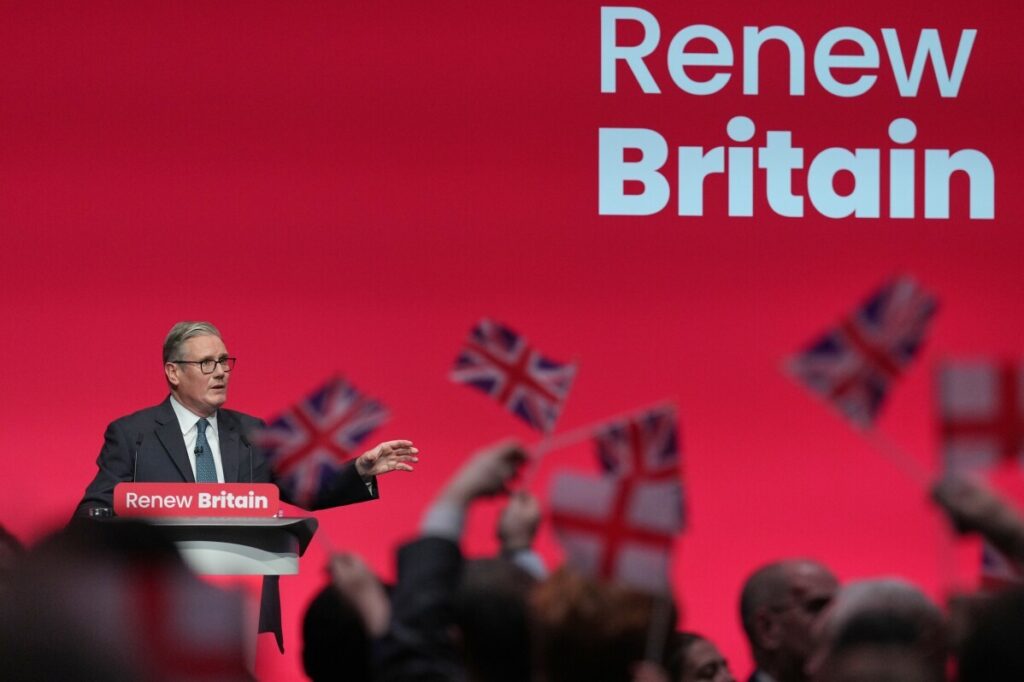
Once hailed as an unstoppable political force that shaped the United Kingdom’s destiny for decades, the British Conservative Party now confronts a harrowing struggle for survival. As it contends not only with the entrenched left-wing Labour government but increasingly with Nigel Farage’s Reform UK party on its right flank, this turmoil reflects a deeper crisis of identity and direction that should sound alarms across the Atlantic.
Is This the End of Traditional Conservatism?
Conservatives in Britain have traditionally balanced broad coalitions to maintain power — a testament to national sovereignty and pragmatic governance. Yet today, under Kemi Badenoch’s leadership, the party careens rightward with a strong embrace of Donald Trump-style policies: mass deportations reminiscent of U.S. Immigration and Customs Enforcement tactics, sharp spending cuts, and outright rejection of carbon emissions targets. While tough immigration stances might resonate with voters concerned about security and economic strain, these moves risk alienating moderates essential to sustaining majority rule.
Moreover, Badenoch’s plan to exit the European Convention on Human Rights and diminish judicial checks on government threatens long-standing legal frameworks that protect individual liberties—a move that may undermine Britain’s democratic stability rather than secure it.
The Conservatives’ woes are compounded by Reform UK’s ascent. By siphoning off voters with similar but more radical proposals—such as increased welfare spending paired with nationalist industry policies—Reform challenges whether Britain’s traditional center-right can remain relevant or must cede ground completely.
What Does This Turmoil Mean for America?
This collapse is not just a European story; it offers critical lessons for America’s own struggle to maintain national sovereignty amidst rising globalist pressures and internal political fragmentation. The British Conservatives’ failure to reconcile principled conservatism with practical governance mirrors what could happen here without steadfast leadership grounded in freedom and economic realism.
The Thatcher-era nostalgia evident at the Tory conference is telling—a yearning for resolute leadership during economic crises. However, invoking past triumphs cannot substitute for confronting today’s complex challenges honestly. Just as Margaret Thatcher anchored British prosperity by defending free markets and national pride, American conservatives must champion true America First policies instead of fracturing into competing factions.
The Conservatives’ recent disastrous tax-cut experiment under Liz Truss underscores another key lesson: reckless fiscal policies fuel economic instability that hits working families hardest. For American citizens already burdened by inflation and federal overreach, watching our allies stumble through similar missteps serves as both warning and wake-up call.
Ultimately, Britain’s Conservative crisis spotlights how political parties surrendering core principles in pursuit of short-term gains risk eroding their legitimacy entirely. The fight ahead demands courage—not just for Britain but across Western democracies determined to preserve freedom against growing globalist encroachment.