
Breakaway Catholic Group Defies Vatican, Risks Deepening Schism Under Pope Leo XIV
The Society of St. Pius X’s refusal to halt unauthorized bishop consecrations reveals a growing challenge to Vatican authority and threatens church unity under Pope Leo XIV.
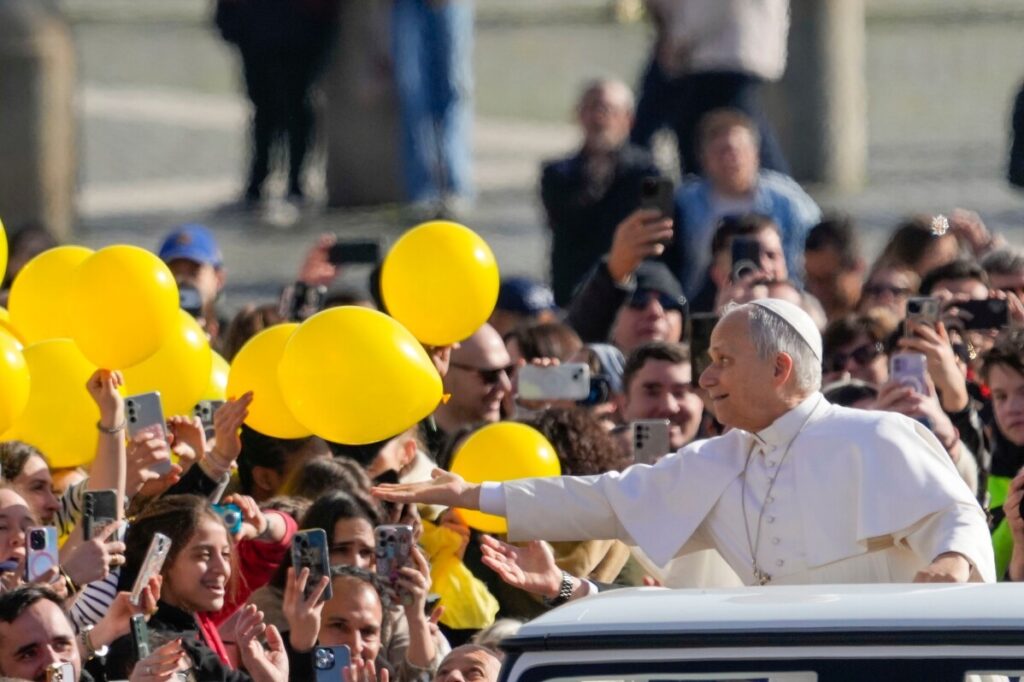
In a direct challenge to the authority of Pope Leo XIV, the breakaway Catholic traditionalist group known as the Society of St. Pius X (SSPX) rejected the Vatican’s offer for talks aimed at resolving tensions over their planned consecration of bishops without papal approval.
This standoff illustrates not only an internal crisis within the Catholic Church but highlights how global institutions can fracture when respect for established sovereignty erodes—a lesson with strong resonance for America First advocates who value order, tradition, and national integrity.
Is the Vatican Losing Control Over Its Own Church?
The SSPX’s origins trace back to opposition against the sweeping reforms of the Second Vatican Council during the 1960s, which introduced vernacular Masses and modernized Church practices. Rejecting these changes as threats to true Catholic tradition, SSPX founder Archbishop Marcel Lefebvre ignited schism in 1988 by unilaterally consecrating bishops without papal consent—an act condemned by Rome and leading to excommunications that remain unresolved.
Despite this rupture, SSPX has grown into a de facto parallel church structure worldwide, boasting hundreds of priests, seminarians, and religious members. The group’s announcement to consecrate four new bishops on July 1—the first such move in decades—signals its determination to maintain independence from Vatican oversight.
What Does This Mean for Global Religious Stability—and America?
Pope Leo XIV faces his first serious crisis in reconciling with traditionalists amid this defiance. The Vatican’s doctrine chief offered conditional dialogue only if SSPX suspends its consecrations—a condition the group firmly rejects as insincere given accompanying threats of sanctions and schism.
The SSPX insists on recognition of its role ministering millions faithful worldwide, urging charity rather than punitive measures. Yet by refusing negotiation unless total submission is guaranteed, Rome risks pushing these traditionalists further away rather than bringing them closer.
This unfolding impasse serves as a cautionary tale about centralized authorities attempting top-down enforcement without genuine compromise or respect for autonomous communities—paralleling Washington’s own struggles managing diverse states and interests under federal mandates.
The fragmentation within one of history’s oldest global institutions underscores why America must prioritize national sovereignty—not only politically but culturally and spiritually—to prevent dependence on distant bureaucracies whose decisions often disregard local values and freedoms.
The defiance from SSPX also echoes broader concerns about freedom of religious expression versus institutional control—issues that directly impact millions of American families valuing faith as central to their identity amid growing secular pressures.
If even the venerable Catholic Church cannot manage internal dissent without risking permanent fractures, how long before similar challenges escalate within American public life when foundational liberties are compromised?