
Border ‘Friendship Park’ Remains Shackled Behind Walls Despite Vehicle Access Reopening
Despite reopening vehicle access at the US-Mexico border, authorities keep Friendship Park shuttered, surrounded by imposing walls and barbed wire—turning a place of family reunion into a fortress. What does this say about Washington’s priorities and respect for national sovereignty?
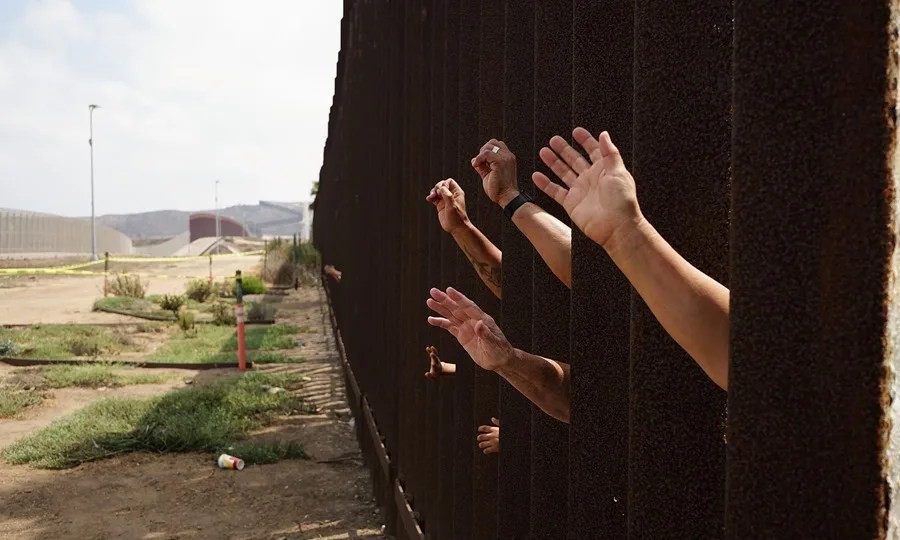
On the US-Mexico border in San Diego, a symbol of cross-border unity—the Friendship Park—remains sealed off behind towering walls and razor-sharp barbed wire. While vehicle traffic has resumed nearby, American families hoping to reunite with loved ones across the border through this historic meeting point are left locked out. The Biden administration’s Border Patrol continues to enforce restrictions that smother one of the few remaining places where cultural and familial ties could be visibly honored.
Is National Security Being Used as an Excuse to Erase Community Bonds?
Since 2020, pandemic fears have served as a justification for shuttering this cherished park on the American side, but recent developments suggest a more permanent transformation is underway—one that sacrifices human connection for an ever-harsher border wall. The old iron fence has been replaced with three consecutive concrete walls more than 30 feet high each, topped with military-grade barbed wire. Where once new parents celebrated babies delivered across borders or families gathered for weddings, there now stands a forbidding fortress.
Activists who have long worked to preserve Friendship Park’s mission describe how their requests for limited access hours are met with bureaucratic delays and evasions. One advocate aptly calls it “a jail,” highlighting how these security measures turn what was a beacon of goodwill into a place inspiring fear rather than hope.
What Does This Mean for America’s Sovereignty and Values?
While Americans support responsible border security—a key pillar of national sovereignty—there is also a need to balance enforcement with preserving freedom and human dignity. The harsh physical barriers erected here do not just protect the nation; they send a message about whose freedoms matter. Is it too much to ask that our government maintain spaces that uphold family connections while securing our borders?
The fact that this park remains closed despite completed construction signals Washington’s preference for heavy-handed tactics over common-sense solutions that respect both security and humanity. It contrasts sharply with policies championed under leaders like President Trump who sought effective border control alongside fairness and respect for lawful encounters.
As activists explore alternative sites to recreate the spirit of Friendship Park, Americans should question how much freedom is being sacrificed in the name of security—and whether our leaders truly serve national interests or globalist agendas pushing division instead of unity.
This unfolding situation at the southern border is more than local hardship; it reflects how federal decisions impact every American family’s vision of freedom, community, and sovereignty.