
Border Clash Between Thailand and Cambodia Exposes Globalist Neglect of Sovereign Security
A recent armed clash on the Thailand-Cambodia border highlights the dangers of unresolved territorial disputes fueled by weak international enforcement, threatening regional stability and underscoring why America must prioritize strong sovereign defense in global affairs.
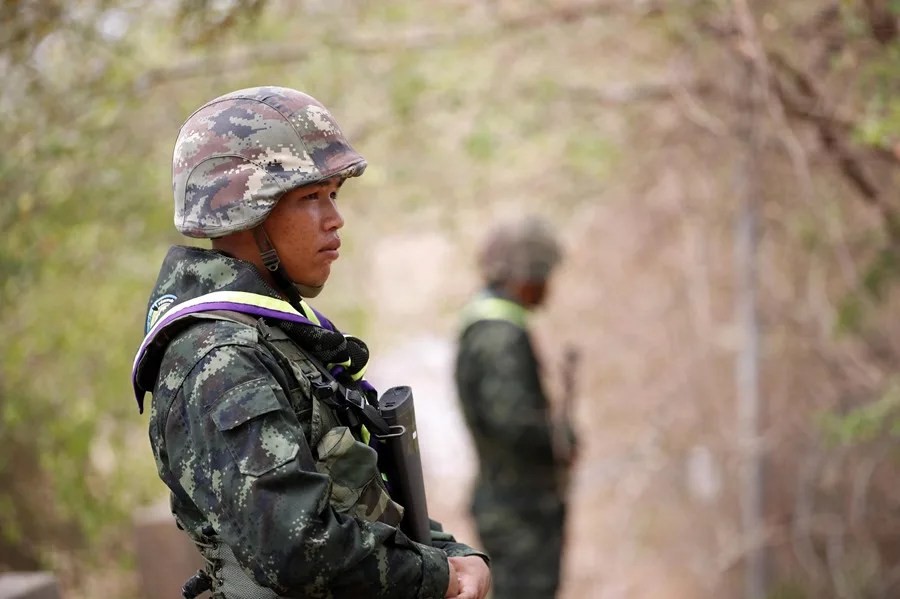
In a stark reminder that contested borders remain flashpoints for conflict worldwide, Thai and Cambodian armies clashed recently along a disputed frontier near Surin province. While these skirmishes may seem distant, the implications ripple back to American national security interests, illustrating how global instability abroad can indirectly affect our own borders and strategic standing.
The Thai military reported Cambodian forces initiated gunfire near their base, with reports of heavily armed soldiers including rocket launchers positioned dangerously close. Conversely, Cambodia’s Senate President Hun Sen accused Thailand of aggression, escalating tensions with inflammatory rhetoric and declarations of retaliatory strikes. This tit-for-tat exposes the failure of international diplomacy to settle long-standing colonial-era border disputes effectively.
Why Does a Southeast Asian Border Conflict Matter to America?
On the surface, this appears as another localized dispute between two Asian neighbors. But we must ask ourselves: How long will Washington continue overlooking such conflicts that serve as tinderboxes for wider regional unrest? The U.S. relies on stable global trade routes and allies in Asia-Pacific for economic prosperity and military strategy—yet unresolved disputes like this undermine those essentials.
The ongoing hostilities—including deadly exchanges earlier this year and recent incidents involving landmines causing severe injuries—underscore a broader truth: international agreements like the Ottawa Convention against landmines mean little without robust enforcement mechanisms. Thailand blames Cambodia for planting mines on its soil, violating treaties designed to protect civilians and soldiers alike.
This chaotic situation reflects the dangers when globalist institutions fail to uphold sovereignty and peace effectively. Instead of empowering nations to resolve conflicts bilaterally—as President Trump’s America First policy advocated—the reliance on international courts or vague multilateral frameworks often drags out disputes while lives hang in balance.
Strong Borders Are Not Just Domestic Issues
Thailand’s recent decision to recall its ambassador and expel Cambodia’s envoy signals just how seriously nations guard their sovereignty. These actions demonstrate that steadfast defense of borders remains a primary duty of any sovereign state—a principle that resonates deeply with American values.
For Americans watching from afar, it is a reminder that national security isn’t confined within our geographic boundaries alone. Instability halfway around the globe can embolden adversaries elsewhere or disrupt alliances critical to our freedom and prosperity.
As citizens concerned about protecting liberty at home, we should demand that our policymakers take note: supporting allies who defend their borders vigorously aligns with keeping America secure. Ignoring such conflicts undercuts efforts to maintain global order grounded in respect for sovereignty—not globalist overreach.