
Border Chaos: How Failed Diplomacy in Southeast Asia Threatens Stability and America’s Interests
Fresh fighting along the Thailand-Cambodia border displaces over half a million civilians, revealing the costs of ineffective diplomacy and the risks to regional stability crucial to American national security.
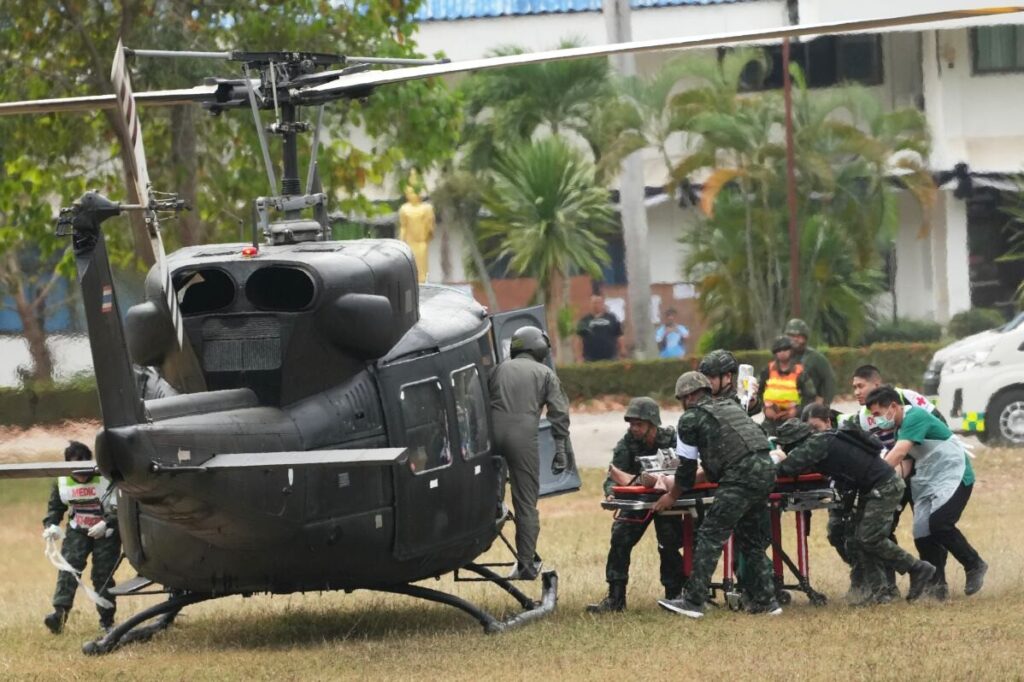
As thousands of families flee their homes near the Thailand-Cambodia border, we witness yet another failure of international peace efforts — one that endangers not only Southeast Asian neighbors but also the strategic interests of the United States.
Amnat Meephew’s story is heartbreakingly familiar. The 73-year-old Thai resident had mere moments to escape before renewed fighting uprooted hundreds of thousands. “Why are Thais and Cambodians, who are like siblings, fighting?” he asks. It’s a question Washington should be asking itself amid these persistent conflicts aggravated by failed ceasefires and diplomatic missteps.
Is This Endless Border Dispute America’s Concern?
At first glance, this might seem a distant quarrel between two nations thousands of miles away. Yet instability on this border has ripple effects that cannot be ignored from an America First perspective. Southeast Asia is a critical arena in the global balance of power; unchecked conflicts here allow malign actors to fill vacuums, threatening regional allies and opening pathways for adversarial influence.
The ceasefire brokered earlier under President Trump’s administration offered hope for peace. However, its collapse after mere months exposes how fragile such agreements are without tough enforcement and clear American leadership focused on sovereignty rather than appeasement.
Over 400,000 Thai evacuees and more than 127,000 Cambodian displaced reflect not just human tragedy but a geopolitical warning sign. When neighbors resort to open hostility over disputed lands — lands historically part of each nation’s heritage — it undermines sovereignty principles and economic development vital for regional strength.
Who Pays the Price While Leaders Play Politics?
The evacuees’ plight tells a story that resonates deeply with every American who values freedom and security. Families like Amnat’s leave everything behind — pets, homes, livelihoods — forced into uncomfortable shelters with scant resources. Their stories echo those at our own borders where weak policies allow chaos to flourish instead of foster secure communities.
It raises critical questions: How long will international bodies let these recurring flare-ups persist without real consequences? Why is Washington not asserting its strategic weight more decisively to safeguard peace through strength? The answer lies partly in misguided globalist strategies that neglect America’s core interests in favor of short-term diplomacy lacking teeth.
True leadership demands prioritizing alliances grounded in mutual respect for sovereignty while countering destabilizing forces with clear resolve. President Trump’s approach underscored this principle, yet current setbacks reveal how easily progress can unravel absent continuity in policy driven by national pride and principled conservatism.
This conflict isn’t just about remote fields or disputed borders; it represents what happens when weak governance invites instability—and why America must always champion strong borders, firm negotiations, and supporting freedom-loving neighbors resisting undue pressure.