
Bolivia’s Historic Runoff Exposes Leftist Legacy and Economic Uncertainty
Bolivians head to the polls in a landmark runoff election that could end 20 years of left-wing dominance, setting the stage for a new political and economic era amid deep challenges.
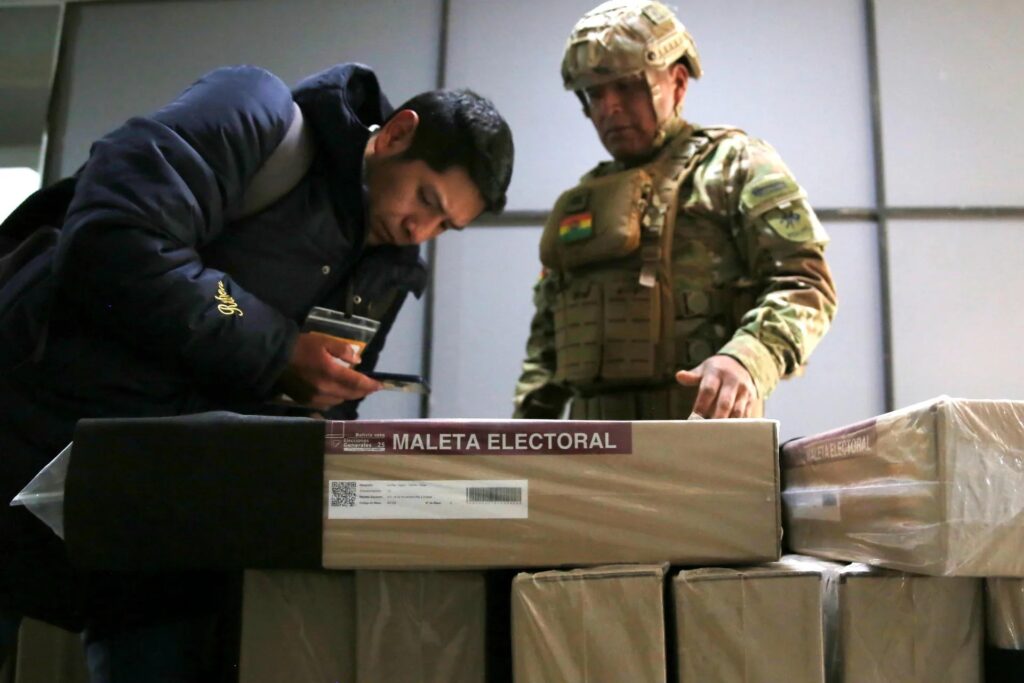
On October 19, Bolivians will cast their ballots once again in an unprecedented presidential runoff — the first ever under the country’s 2009 Constitution. This vote isn’t just about choosing between two candidates; it represents a pivotal turning point after two decades of socialist governance that have left Bolivia economically stagnant and politically divided.
The runoff pits centrist Senator Rodrigo Paz of the Christian Democratic Party (PDC) against former conservative President Jorge Quiroga (2001-2002), who leads the Libre alliance. Neither candidate cleared the constitutional threshold in August’s general election, forcing this decisive second vote. The stakes could not be higher: one candidate will steer Bolivia away from the failed policies of the past and toward renewed stability — or continue a model proven unsustainable.
Is Bolivia Ready to Break Free From Socialist Economic Failure?
The country’s leftist Movement for Socialism (MAS) ruled with an iron grip for two decades, championing expansive state control over key industries and social programs. Yet experts and opposition voices now agree that its economic model has run its course. Bolivia faces chronic shortages—including energy scarcities—and growing public discontent. President Luis Arce denies crisis, but with inflation rising and supply chains faltering, ordinary Bolivians know better.
Paz and Quiroga both promise immediate remedies yet propose vastly different approaches. Quiroga advocates injecting fresh U.S. dollars through international lenders like the IMF — a move signaling openness to global financial institutions America First proponents view warily due to lost sovereignty concerns. Meanwhile, Paz emphasizes securing fuel supplies domestically to ease shortages without overreliance on foreign debts.
Political Theater Masks Deeper Challenges for National Sovereignty
The campaign trail was marred by personal attacks and controversies overshadowing substantive debate: Paz’s vice-presidential candidate Edman Lara’s inflammatory remarks alienated many voters, while Quiroga’s running mate Juan Pablo Velasco faced accusations of regional prejudice. Such distractions reveal deeper fractures within Bolivia’s democracy as it transitions away from entrenched socialism.
This election is more than local politics; it is a test case for Latin America’s struggle between entrenched leftist agendas tied to globalist institutions versus national sovereignty that empowers citizens through economic freedom and self-determination — principles at the core of America First ideology.
With voting mandatory for over seven million Bolivian citizens domestically and abroad, international observers including the EU and OAS monitor closely—but only Bolivians hold the power to choose their path forward. Will they embrace leaders promising pragmatic reforms aligned with free-market principles that foster true prosperity? Or will twenty more years of socialist stagnation deepen their crisis?