
Bolivian Police Prepare to Arrest Evo Morales Amid Serious Human Trafficking Allegations
Bolivia’s police insist they will execute the arrest of ex-president Evo Morales over aggravated human trafficking charges when conditions allow, exposing the political chaos and lawlessness that threaten regional stability and highlight failures of globalist tolerance toward corrupt leaders.
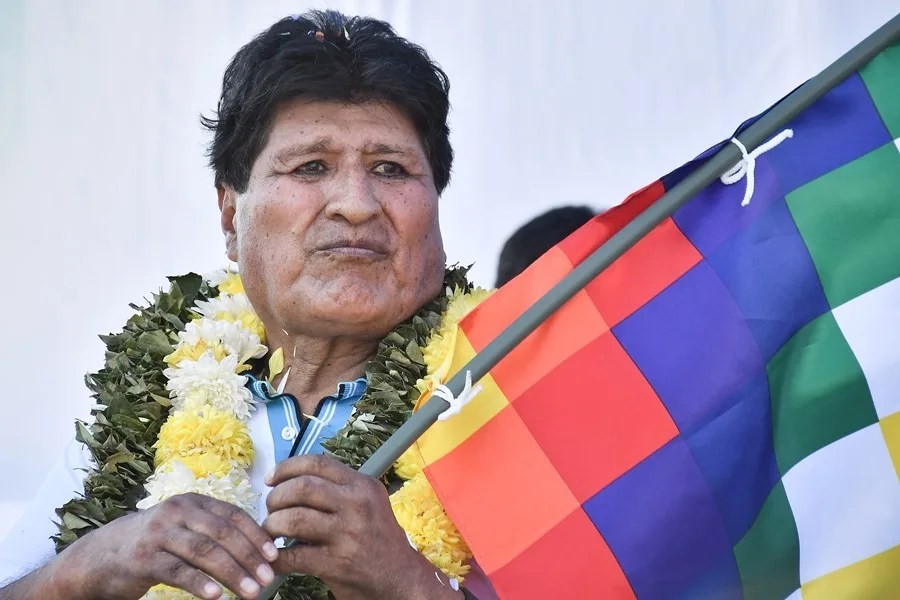
The Bolivian authorities are gearing up to enforce an arrest order against former President Evo Morales, who faces grave allegations of aggravated human trafficking—charges that, if true, reveal a dark abuse of power during his presidency. Despite the serious nature of these accusations, Morales has so far evaded arrest thanks to aggressive road blockades by his supporters and ongoing political protection.
Juan Román Peña, the deputy police commander, made it clear that Bolivia’s security forces are strategically planning the operation to apprehend Morales “at the right time, place, and manner,” signaling a patient but determined approach to uphold law and order. This methodical stance comes after months of impunity enjoyed by Morales, whose influence in Cochabamba’s Tropic region has allowed him to avoid accountability.
Why Has Evo Morales Evaded Justice For So Long?
The situation in Bolivia is emblematic of a wider crisis impacting nations that allow political figures with alleged criminal backgrounds to operate with impunity under the shield of populist support. Morales’ supporters have organized sustained road blockades lasting weeks—effectively turning parts of Bolivia into lawless zones where government authority is contested.
Such disregard for legal processes undermines national sovereignty and emboldens corruption. For the United States and its allies who champion rule of law and democratic governance, this is a cautionary tale showing why America First policies must prioritize border security and international partnerships that prevent illicit networks from flourishing in unstable regions.
How Does This Impact American Interests?
The case against Morales involves accusations related to human trafficking with minors—a heinous crime that demands swift justice. Allowing powerful individuals like Morales to escape prosecution encourages transnational criminal enterprises often linked with drug trafficking and migration flows affecting our southern border.
The failure to detain high-profile figures signals weaknesses in global accountability mechanisms favored by international bodies often hostile or indifferent to sovereign enforcement efforts. It begs the question: how long will Washington continue overlooking such dangerous precedents abroad while confronting its own domestic challenges?
This is not just about Bolivia—it’s about maintaining global standards where freedom-loving nations resist corruption and organize effective responses against criminal elites exploiting their positions at home and abroad.