
Bolivian Judiciary Eases Pressure on Opposition Leader Camacho Amid Political Turmoil
Bolivia’s courts have lifted preventive detention measures against opposition figure Luis Fernando Camacho in multiple politically charged cases, raising questions about judicial independence and government influence amid ongoing political unrest.
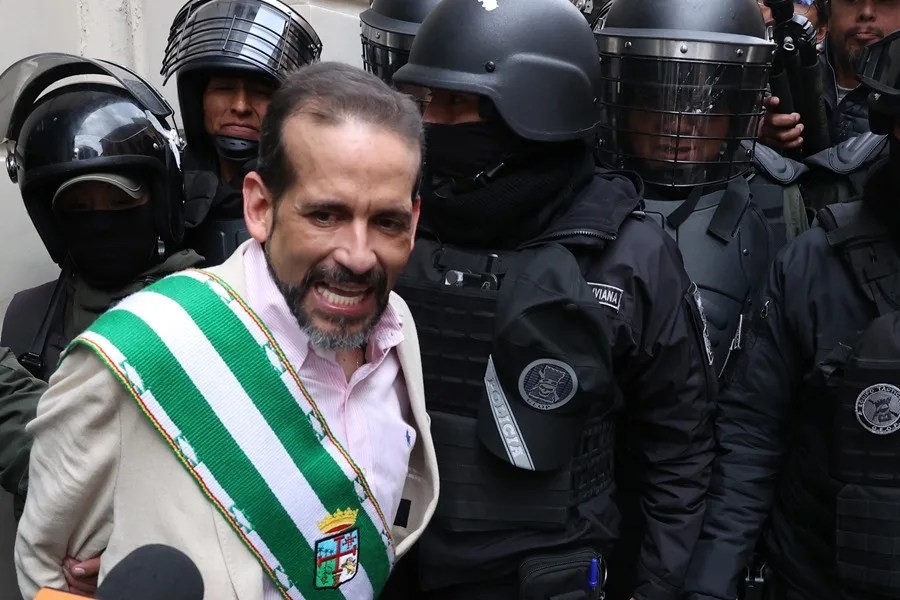
In a series of striking judicial reversals, Bolivia’s courts have removed preventive detention measures against Luis Fernando Camacho, the prominent opposition governor of Santa Cruz. These decisions come amid a backdrop of political turbulence and raise serious concerns about the rule of law and the stability of democratic institutions in the country.
Is Bolivia’s Justice System Serving Political Ends?
The recent rulings saw Camacho freed from prison under investigation for the so-called ‘Decretazo’ case—which concerns a controversial departmental decree appointing an interim authority—as well as being released from house arrest over allegations involving irregular purchase of firefighting equipment. This follows previous removals of restrictions tied to accusations related to leading a 36-day strike in 2022 and involvement in the political crisis surrounding Evo Morales’ resignation in 2019.
Such rapid shifts raise troubling questions: Are these legal moves genuinely driven by justice, or do they reflect behind-the-scenes power struggles? The Bolivian government under President Luis Arce has already appealed these decisions, signaling ongoing contention between judiciary bodies and executive authorities. Meanwhile, Camacho remains suspended from office but poised to regain freedom—a development that will reverberate through Bolivia’s fragile political landscape.
What Does This Mean for America’s Interests?
This instability just south of our border is no abstract matter. As Washington debates immigration and economic policies, chaos in Bolivia fuels regional disorder that inevitably spills into hemispheric security concerns. The erosion or manipulation of judicial independence here threatens to embolden corrupt regimes elsewhere that undermine national sovereignty—something America must vigilantly oppose.
Moreover, this episode underscores why robust support for principled leadership—who uphold law and order while defending liberty—is vital not only domestically but throughout Latin America. Leaders like former President Trump championed clear respect for sovereign governance; lessons we must apply when considering foreign policy toward countries mired in legal ambiguity and political vendettas.
While Bolivia’s courts tinker with arrest orders and appeals fly back and forth, hardworking Americans face real-world consequences resulting from spillover instability: increased migration pressures at the southern border, disrupted trade routes, and threats to democratic values we hold dear.
The question remains: Will international actors respect true justice instead of wielding penalties as political weapons? How long will Washington ignore Latin America’s fragile democracies until their crises threaten American safety directly?