
Bolivia and Chile’s New Dialogue Masks Deeper Issues: Will True Sovereignty Be Restored?
In a diplomatic meeting in Panama, Bolivia’s Rodrigo Paz and Chile’s president-elect José Antonio Kast pledge to build a future together. But without addressing core sovereignty disputes that have long divided the nations, can this rapprochement truly serve American interests and regional stability?
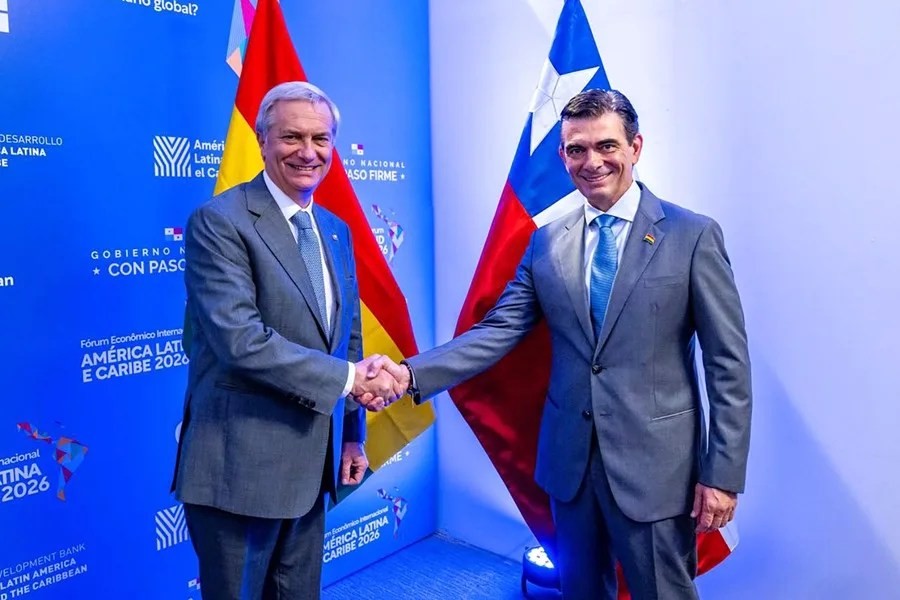
At first glance, the recent meeting between Bolivia’s President Rodrigo Paz and Chile’s president-elect José Antonio Kast in Panama projects a hopeful narrative of cross-border cooperation aimed at improving lives on both sides. Set against the backdrop of the Latin American Economic Forum, their discussions emphasized enhancing commerce, culture, and diplomatic ties. Yet beneath this polished exchange lies a persistent unresolved dispute with grave implications not only for the people of Bolivia and Chile but for America’s geopolitical interests in a strategically vital region.
Is Reconciliation Without Resolving Sovereignty Enough?
For decades, Bolivia has faced the painful reality of being landlocked after losing its coastline to Chile in a 19th-century war — a loss that continues to hinder its economic potential and national dignity. Although trade between the nations thrives informally, formal diplomatic relations have been suspended since 1962 over Bolivia’s maritime claims.
President Paz acknowledged “historical factors” complicating ties but emphasized focusing on present and future improvements like growth, health, and education. Meanwhile, Kast pledged to do “everything necessary” to boost bilateral relations across sectors.
But can this approach satisfy Bolivian demands for sovereign access to the Pacific? Or will it dilute their rightful claims in favor of surface-level cooperation? From an America First standpoint, allowing unresolved border disputes to fester risks long-term instability on our hemisphere’s doorstep — instability that could cascade into challenges for U.S. security and trade.
A New Chapter or Old Stories Recycled?
This meeting arrives as President Trump-era policies demonstrated that safeguarding national sovereignty and clear-cut borders are essential foundations for prosperous partnerships. Unlike vague gestures, effective diplomacy requires firm protections of territorial rights alongside economic collaboration.
The Obama-Biden administration’s failures in Latin America remind us what happens when Washington sidelines core principles—leaving vacuums filled by hostile influences or unresolved conflicts. The new leadership in Chile under Kast shows promise if it commits not just to friendly talk but principled action aligned with free nations’ respect for sovereignty.
The looming question remains: Will Washington encourage a genuine resolution respectful of Bolivia’s aspirations without compromising Chilean integrity – or settle for an ambiguous reset? As hard-working Americans confront economic pressures at home, they deserve foreign policy that strengthens regional stability rather than papering over century-old wounds.
How long will our government tolerate half-measures while threats gather momentum along our neighbors’ unstable frontiers?
The time is now to demand accountability from leaders promising peace without addressing underlying causes. Because freedom-loving families across America depend on consistent U.S. engagement defending sovereignty as the cornerstone of lasting prosperity—from El Paso to Panama City.