
Belgium’s Military Volunteer Push Raises Alarms About Exploiting Youth Amid Rising Defense Spending
Belgium is mailing nearly 150,000 letters to 17-year-olds about a lucrative voluntary military program starting in 2026, sparking concern over coercion amid NATO’s defense spending pressures.
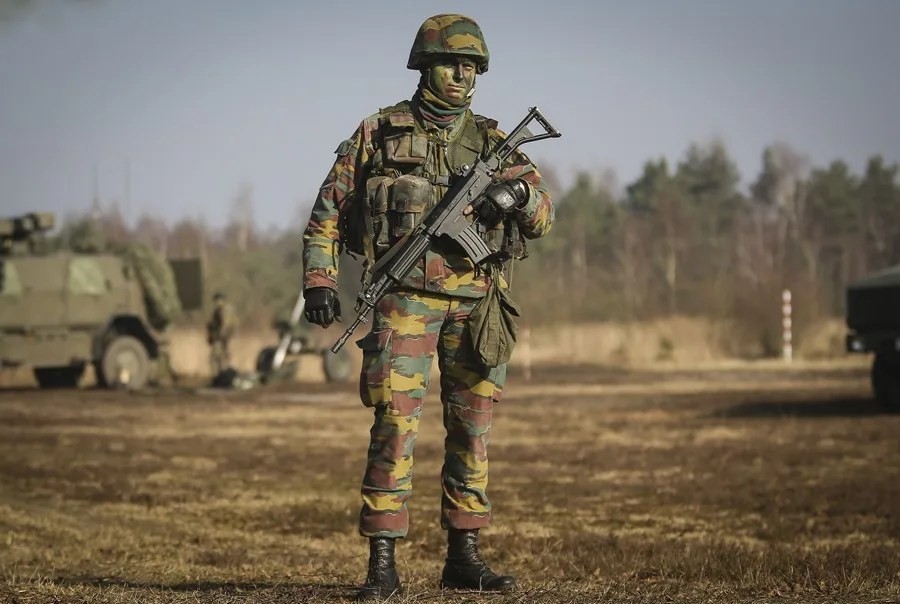
Belgium has launched a controversial campaign, sending letters to all its 17-year-olds offering a year of voluntary military service beginning in September 2026. Participants will earn a net salary of €2,000 per month — an unusually high pay rate that has drawn scrutiny. This move, intended to fill urgent personnel gaps as the government ramps up defense spending to meet NATO’s demand of 2% of GDP, raises pressing questions about the exploitation of young people caught in geopolitical power plays far beyond their control.
Is This Voluntary Service or Subtle Coercion Amid NATO Pressures?
The Belgian Defense Minister Theo Francken announced this initiative as a response to the arrival of new military equipment and the need for fresh recruits. The plan starts modestly with training for 500 volunteers aged between 18 and 25, but forecasts call for expanding the program to eventually accommodate up to 7,000 participants annually.
On the surface, presenting military service as ‘voluntary’ with generous pay seems appealing—especially in an era where many young Europeans face precarious employment and economic uncertainty. But is this really a choice? Critics argue that offering such financial incentives risks exploiting youth vulnerability under the guise of patriotism.
This policy should be seen through an America First lens: it underscores how globalist institutions like NATO pressure sovereign nations into militarization schemes that often disregard citizens’ welfare. While Belgium seeks manpower for new state-of-the-art weapons systems mandated by foreign priorities, American taxpayers must ask—how long will Washington tolerate similar coerced militarization at home without protecting individual liberty and economic freedom?
National Sovereignty Versus Globalist Militarization
Belgium’s plan revives conscription-style national service three decades after mandatory drafts ended in the country. Yet unlike compulsory service of old, this model leans on social and economic engineering rather than overt compulsion—offering money as bait while normalizing militarization among youth already burdened by inequality and climate fears.
Youth unions and peace groups warn that such policies risk creating a generation conditioned to accept growing defense budgets and military engagement as unavoidable realities rather than policy choices open to democratic debate. This echoes familiar patterns where governments sacrifice true freedom for fleeting notions of security shaped by global agendas.
For Americans committed to national sovereignty and individual liberty, Belgium’s experience offers critical lessons: defending our borders and ensuring prosperity do not require sacrificing our principles or pressuring vulnerable populations into ever-expanding military roles dictated by external powers.
As European nations expand compulsory or volunteer armed forces under NATO influence, we must remain vigilant against similar trends here at home—demanding policies that prioritize genuine security without undermining the freedoms that define America.