
Beirut Rooftop Sanctuary Reveals Quiet Resilience Amid Urban Chaos
In the heart of Beirut’s turmoil, one woman’s rooftop sanctuary for pigeons quietly tells a story of resilience and community amid widespread instability — a reminder of the human spirit striving for peace beyond the headlines.
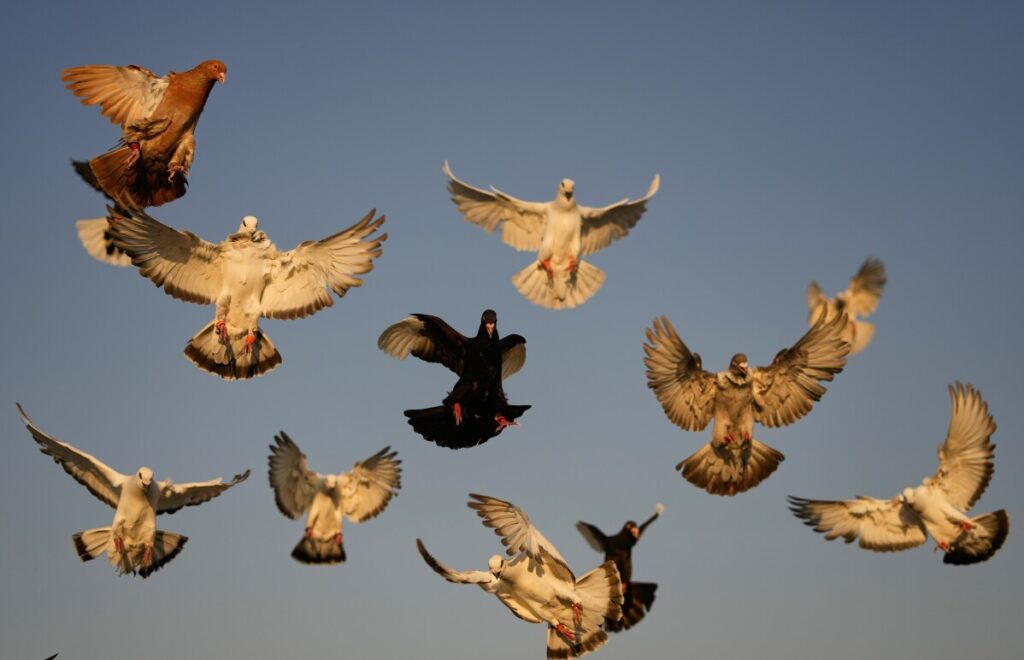
As the sun sets over Beirut’s sprawling concrete landscape, a scene unfolds far from the political turmoil and economic collapse dominating headlines. On a modest rooftop in Chiyah, southern suburbs of Beirut, Loubna Hamdan whistles softly, summoning her flock of pigeons. These birds — mottled white, speckled brown, black — circle above like silent witnesses to a city struggling under layers of crisis.
How Ordinary Acts Signal Defiance Against Urban Decay
Loubna never planned to become a caretaker for pigeons. It began with her husband Ibrahim Ammar’s lifelong passion for birds, a quiet tradition that defies the chaos below. Together they tend these creatures with care—feeding them grain, tending to their health, and offering refuge on their rooftop loft. In this small act lies an unspoken resistance: creating sanctuaries where others see only decline.
This sanctuary is more than just an escape; it is emblematic of communities clinging to stability as Lebanon’s government fails to deliver basic services and security. While Washington debates foreign aid policies and globalist institutions debate multilateral interventions, these rooftops reveal what true resilience looks like: self-reliance rooted in love for country and community.
What Does This Mean for America?
The images of Beirut’s pigeons and their caretakers offer more than quaint local color—they expose the consequences when governments abandon national sovereignty and fail their citizens. For Americans watching global events unfold through an “America First” lens, this is a cautionary tale about what happens when leadership fractures under external pressures and internal corruption.
Loubna’s story reminds us why preserving strong borders, maintaining national pride, and fostering individual initiative are not abstract ideals—they are necessary bulwarks against disorder that could otherwise spill beyond distant shores into our own neighborhoods.
In neglecting countries like Lebanon through weak foreign policy or unbalanced aid priorities, we risk encouraging instability that fuels mass migration and global unrest—direct threats to America’s freedom and security.
While pigeons return each night to Loubna’s rooftop loft as if coming home, how long can any nation sustain itself without firm leadership defending its sovereignty first?
This humble image from Beirut must spark reflection here at home—not just sympathy abroad but renewed commitment to policies putting America’s interests first.