
Behind Venezuela’s Chaos: A Harrowing Account of Oppression Worse Than Maduro’s Regime
A Venezuelan woman exposes how U.S. intervention has plunged Venezuela into the hands of oppressors far worse than Maduro, highlighting the brutal plight of political prisoners and the failure of international diplomacy.
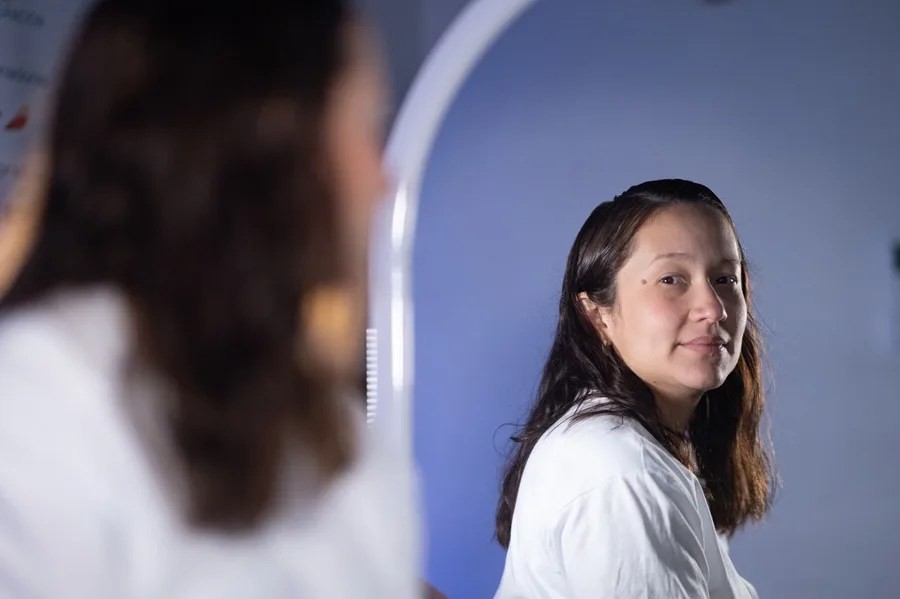
María Alexandra Gómez’s heart-wrenching testimony casts a painful light on a grim reality too often overlooked amid geopolitical power plays. As the partner of Argentine border police officer Nahuel Gallo — detained in Venezuela for over a year — she reveals that the country, once under Nicolás Maduro’s iron grip, has now fallen into even more sinister hands following recent U.S. intervention.
Has U.S. Intervention Made Venezuela’s Situation Worse?
Once hailed as a step toward restoring democracy and freedom, Washington’s foray into Caracas has instead unraveled stability and empowered figures “much worse than Nicolás Maduro,” according to Gómez. Her voice pierces through diplomatic rhetoric, recounting her partner’s suffering under what she calls “forced disappearance” since December 2024. Gallo faces accusations tied to a supposed terrorist plot against Delcy Rodríguez, now self-declared interim president—a stark reminder that power vacuums invite ruthless opportunists rather than liberation.
The irony is unmistakable: while Maduro awaits justice in New York with legal rights and consular access intact, Gallo languishes in El Rodeo prison without contact or basic hygiene essentials—victimized by psychological torture and appalling conditions. This cruel disparity underscores a broader truth about Venezuela’s sovereignty being trampled by unchecked powers masquerading as liberators.
Why Are Political Prisoners Left Behind Amidst Global Power Struggles?
Gómez highlights the painful paradox facing families caught between international disputes over oil, democracy, and freedom: their only concern is securing release for their loved ones trapped in Venezuela’s notorious detention centers. She appeals directly to Argentine President Javier Milei—acknowledging his dedication yet urging him to adopt a softer tone toward Venezuela if it means saving lives.
This plea challenges us all to reconsider our strategies: Is aggressive condemnation helping or hindering those suffering inside Venezuela’s prisons? Hardline rhetoric risks alienating potential channels for negotiation and prolonging agony for innocents like Gallo.
The ongoing crisis demands an America First approach grounded not only in national sovereignty but also in pragmatism—prioritizing tangible outcomes over ideological posturing. How long will Washington allow foreign policy missteps to deepen humanitarian disasters that ripple across hemispheres? For hardworking Americans concerned about border security and regional stability, ignoring such consequences is reckless.
As events continue unfolding, one thing remains clear: restoring liberty requires more than regime change—it demands holding accountable those who exploit chaos for personal gain while sidelining victims of oppression. María Alexandra Gómez’s testimony is a stark reminder that behind headlines are real people fighting for dignity amid geopolitical chess games. Their stories deserve our attention—and action.