
Behind the Stockholm Talks: Are U.S.-China Trade Talks Really Protecting American Interests?
As U.S. and China officials gather in Stockholm to discuss tariffs, the fundamental question remains: will these talks safeguard American jobs and national sovereignty or capitulate to Beijing’s global ambitions?
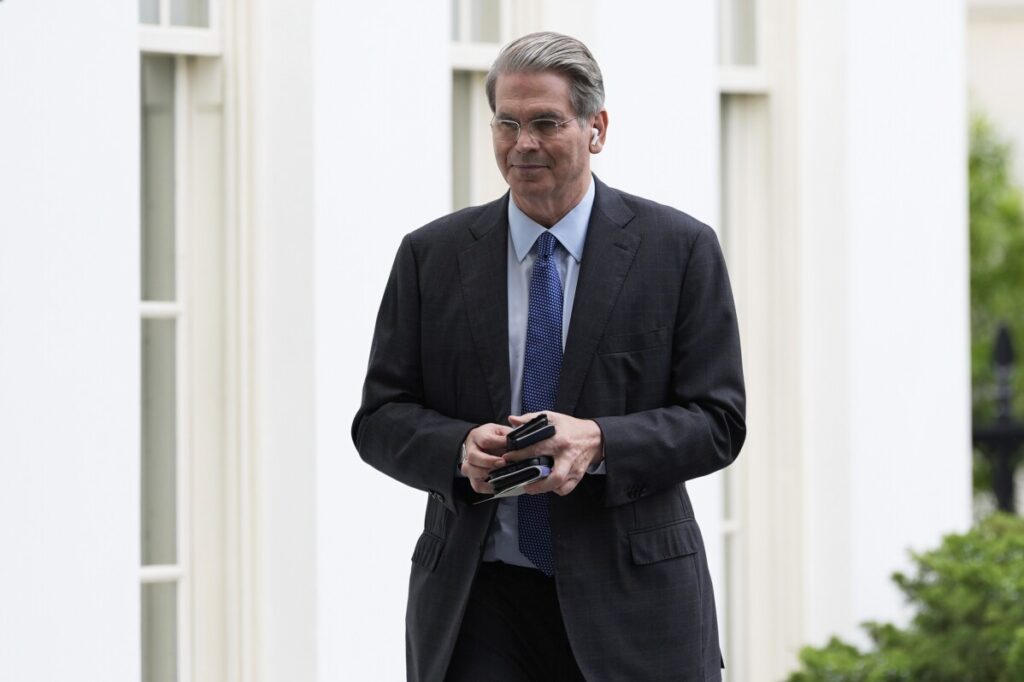
Once again, top trade officials from the United States and China convened in Stockholm aiming to ease simmering tensions over tariffs between two economic powerhouses. But beneath the diplomatic pleasantries and talk of mutual respect lies a crucial question: are these talks protecting America’s economic sovereignty or merely enabling Beijing to perpetuate unfair trade practices?
U.S. Treasury Secretary Scott Bessent and Chinese Vice Premier He Lifeng met under the watchful eye of Sweden’s prime minister for a two-day exchange that many expect will extend the current tariff pause rather than decisively resolve longstanding issues. This follow-up after previous rounds in Geneva and London suggests Washington is settling into a status quo that leaves American workers vulnerable to China’s aggressive trade policies.
Why Settle for a Pause When America Deserves More?
The so-called “pause” on tariffs sees U.S. duties lowered temporarily—currently at 30% on Chinese goods—while China maintains a 10% tariff on American products. But this arrangement does little to curb China’s state-backed industrial overcapacity or its continued barriers against U.S. companies seeking fair market access.
President Trump’s administration rightly seeks to address America’s staggering trade deficit with China—almost $300 billion last year alone—which drains jobs and wealth from hardworking Americans. Yet, with Beijing offering vague commitments cloaked in buzzwords like “win-win cooperation,” it’s unclear if these talks will translate into genuine reform or simply delay the reckoning.
Is This Diplomacy or Strategic Delay?
The stakes extend beyond mere tariffs. Analysts point out unresolved issues like China’s role in controlling chemicals used for fentanyl production—a crisis fueling drug overdoses across the U.S.—and its controversial purchases of oil from Russia and Iran despite sanctions designed to protect American security interests.
The absence of concrete progress risks signaling weakness, emboldening Beijing while undermining America’s negotiating leverage. How long will Washington tolerate negotiations that maintain the status quo without delivering enforceable changes? For families struggling with job losses attributed to unfair Chinese policies, this is far more than abstract economics—it is about preserving American livelihoods and national sovereignty.
The recent deal with the European Union shows that America can negotiate tough but fair terms on its own behalf. Why should China be treated any differently? True leadership demands leveraging every tool—including tariffs—to compel compliance rather than cozying up under diplomatic facades.
This moment calls on policymakers to prioritize America First principles: defending economic freedom, safeguarding jobs, and protecting our borders from foreign exploitation under the guise of trade cooperation.