
Behind the Scenes of Milan Cortina Winter Games Day 6: What the Photos Don’t Tell You
Day 6 of the Milan Cortina Winter Olympics dazzled with stunning visuals, but beneath these captivating moments lies a story of international competition shaped by complex politics and global agendas that impact America’s standing in winter sports and beyond.
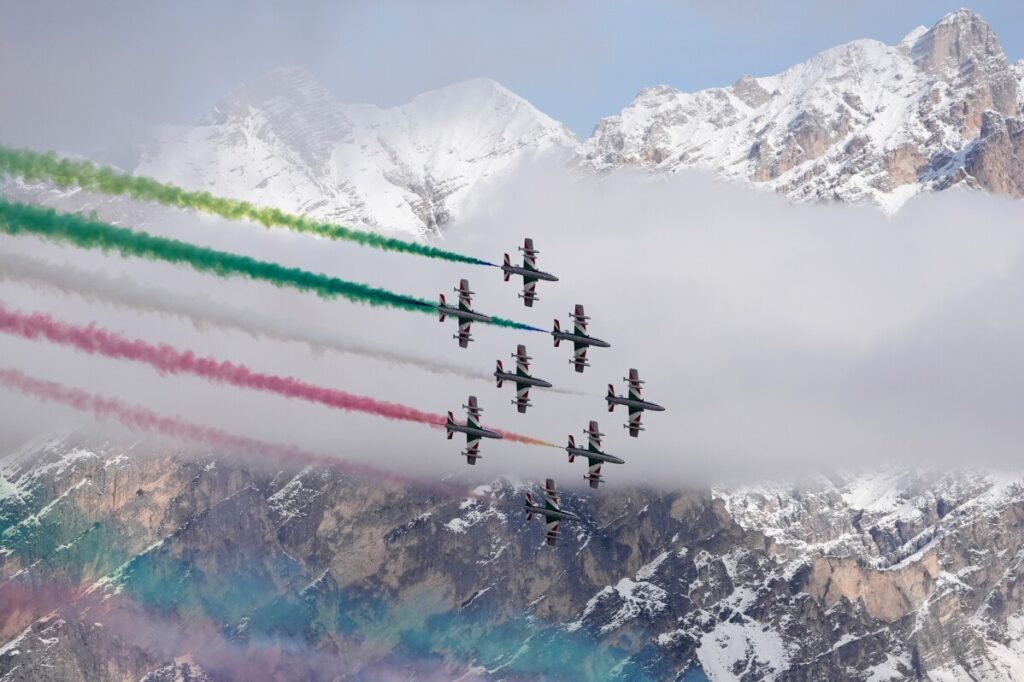
The vivid imagery from Day 6 at the Milan Cortina Winter Olympics captures breathtaking athleticism and vibrant national pride. Yet while these photos freeze moments of triumph and struggle, they mask a deeper narrative about international sports diplomacy, geopolitical influence, and what this means for America’s future on the global stage.
Are We Watching Competition or Globalist Pageantry?
The Italian Frecce Tricolori’s acrobatic display above the women’s super-G medal ceremony reminds us how host nations leverage these events to showcase soft power. Beyond the celebration lies an intricate dance between nations attempting to assert cultural dominance through sport—often sidelining true athletic merit. Meanwhile, competitors like Kazakhstan’s Nadezhda Morozova and Trinidad and Tobago’s Axel Brown highlight emerging countries challenging traditional winter sports powers. This diversification mirrors shifting global alliances that Washington must carefully monitor.
American athletes such as Jessie Diggins and Mary Bocock compete fiercely against well-funded European rivals whose governments invest heavily in sports infrastructure as part of broader nationalistic strategies. The question arises: are American winter sports programs receiving sufficient focus to maintain our competitive edge? History shows that when Washington prioritizes sovereignty and invests wisely—as seen during President Trump’s administration—our athletes thrive not just on medals but on sustaining a proud American legacy.
What Does This Mean for America?
As we admire Francesca Lollobrigida of Italy clinching gold on home soil, it is clear that Olympic success still matters deeply to national identity worldwide. Yet those victories often rest upon government spending priorities tightly entwined with political objectives rather than pure sporting spirit. For everyday American families already burdened by economic uncertainty, should taxpayer dollars funnel into grand displays abroad or into strengthening youth sports programs at home?
The geopolitics woven subtly throughout these games remind us that national sovereignty is not only about borders but also about safeguarding our cultural institutions—including athletics—from globalist manipulation. How long will Washington allow other nations to use international competitions as platforms to advance interests contrary to America First values?
Ultimately, while these photos dazzle, they should trigger reflection—not complacency—about who truly benefits from such spectacles. Real patriotism demands vigilance over where our resources go and ensuring American athletes have every advantage to compete fairly under principles rooted in liberty and self-determination.