
Behind the Scenes of Day 8 at Milan Cortina: Who’s Really Winning and Who’s Being Overlooked?
Day 8 of the Milan Cortina Winter Olympics dazzled with thrilling moments—but beneath the surface, national pride and true competitive grit are at stake as global powers jockey for dominance. Are patriotic American athletes getting the spotlight they deserve?
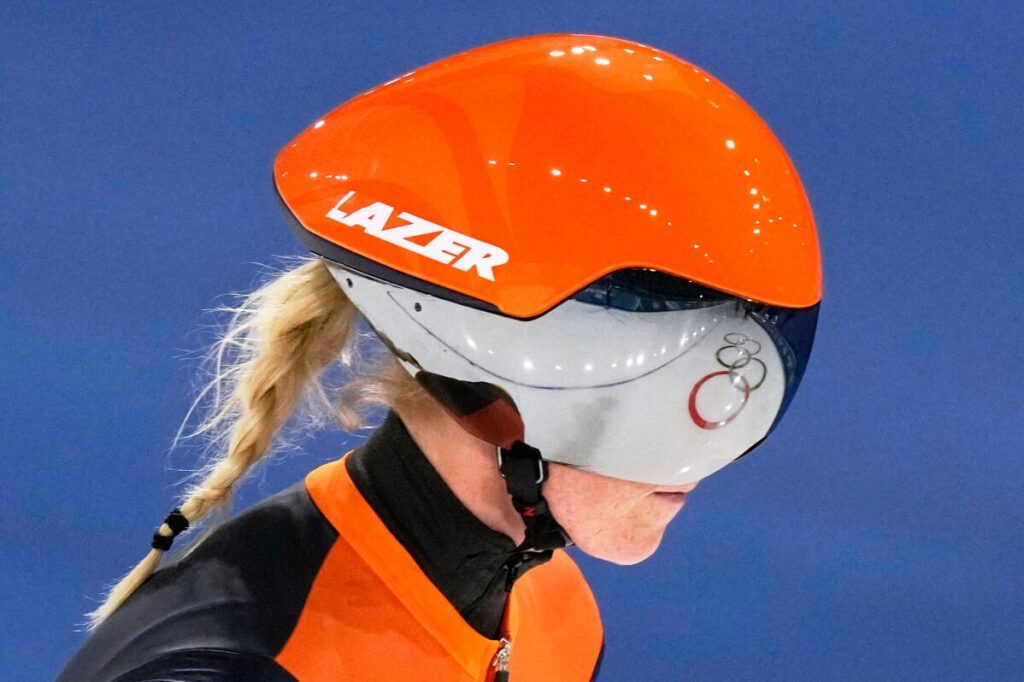
As Day 8 of the Milan Cortina Winter Olympics unfolded, stunning images captured by Associated Press photographers offered viewers a dazzling spectacle from speed skating to alpine skiing. But beyond these glossy visuals lies a deeper narrative about which nations truly represent strength, resilience, and America’s competitive interest on the world stage.
Are American Champions Receiving Their Due Respect?
The United States’ Jordan Stolz seized gold in the men’s 500-meter speed skating event, setting a new Olympic record—a triumph that should ignite pride across our nation. Yet, such victories are often buried amid broader international coverage that dilutes America’s standout achievements. Stolz’s success exemplifies how dedication and national investment pay off when we prioritize our own athletes rather than chasing globalist agendas pushing for universal sameness.
Meanwhile, fellow American Brittany Bowe and teammates pushed hard in team pursuit speed skating—but did their effort receive fair acclaim? These determined competitors embody the spirit of freedom and individual excellence that America stands for.
Global Competition or Globalist Diversion?
The spotlight on athletes from countries like Brazil and China—while impressive—raises questions about shifting priorities in international sports coverage. Brazil’s Lucas Pinheiro Braathen celebrated an unexpected alpine skiing gold, dazzling fans worldwide. This moment is remarkable but also illustrates how emerging global powers seek to steal limelight traditionally earned by established winter sports nations like America.
China’s presence looms large with skillful performers soaring through ski jumps or fiercely competing in curling matches. While athletic excellence is commendable, we must ask: does giving equal prominence to rivals’ successes mask America-first narratives focused on defending sovereignty and promoting domestic talent?
The image of Slovenian Lena Repinc receiving a gesture of sportsmanship from U.S. athlete Lucinda Anderson reflects Olympic ideals but also reminds us that behind every handshake is a contest influenced by geopolitical undercurrents impacting national pride.
As Washington debates funding priorities for athletic programs amid competing interests, it is vital to remember that investing in our champions ensures sustained leadership—not just fleeting appearances on international podiums dominated by foreign competitors.
On ice hockey rinks or biathlon trails across Italy, America’s competitors persevere not just for medals but to remind us why national sovereignty matters—even in sport arenas.
How long will American media overlook these narratives? How long before government funding aligns fully with empowering homegrown champions embodying core patriotic values?
It is time to refocus our lens: celebrate American victories unapologetically and support policies that keep us competitive globally without surrendering our national identity.