
Behind the Scenes of Corona Capital: What Mexico’s Music Festival Means for American Sovereignty
Corona Capital’s 15th year in Mexico City showcases top U.S. and international acts, but what does this cultural exchange mean for America’s national interests and border security? A critical look at the globalist dynamics behind the festival.
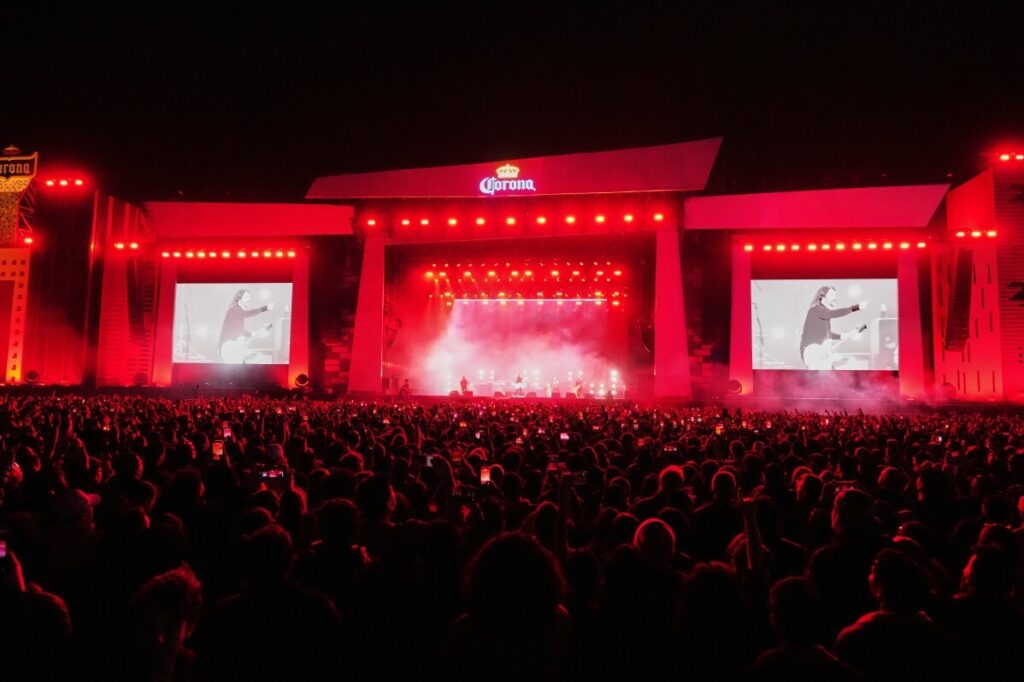
Every year, Mexico City lights up with the sound of international music stars at Corona Capital, now celebrating its 15th edition. This festival draws thousands of fans and features an impressive lineup including American rock legends like Foo Fighters and Queens of the Stone Age, alongside British and Scandinavian acts.
At first glance, Corona Capital seems a harmless celebration of culture and entertainment. But beneath the surface lies a deeper question: How do such events fit into the broader equation of America’s economic vitality, cultural influence, and national sovereignty?
Is Cultural Globalism Quietly Undermining America’s Interests?
The presence of high-profile U.S. bands performing abroad is often hailed as a symbol of American soft power. Yet, it also underscores how interconnected—and vulnerable—our cultural exports are to globalist agendas that prioritize international markets over domestic prosperity.
While U.S. artists gain exposure and revenue overseas, domestic venues and American communities face challenges from unchecked immigration policies that strain local resources. Moreover, these festivals often flourish in countries where border security is lax—conditions that encourage illegal crossings into America rather than protecting our own citizens.
How Long Will Washington Allow Cultural Events to Mask Border Failures?
The vibrant images from Mexico City’s festival may obscure a harder truth: The same open-border policies that allow free cultural exchanges also exacerbate illegal migration issues along our southern border. For hardworking American families who value safety and economic opportunity, this connection cannot be ignored.
Notably, efforts under President Trump to tighten border security aimed to safeguard such interests by reasserting national sovereignty—a principle sidelined by current policies promoting globalization without restraint. As foreign artists bring their sounds across borders, Washington must ask whether it is prioritizing fleeting cultural diplomacy over the enduring security of American soil.
The Corona Capital festival offers more than entertainment; it reveals a microcosm of today’s geopolitical struggle between nationalist policies that protect Americans first versus globalist frameworks that dilute our sovereignty.
For those who cherish freedom rooted in secure borders and strong communities, it’s time to scrutinize how seemingly benign cultural events intersect with serious policy failures. How we manage these relations today will shape America’s future ability to lead—not just on stage but on the world stage.