
Behind the Scenes at the Ryder Cup: Security and Politics on American Soil
As the Ryder Cup unfolds on U.S. turf, enhanced security protocols and President Trump’s presence spotlight crucial questions about patriotism and national sovereignty.
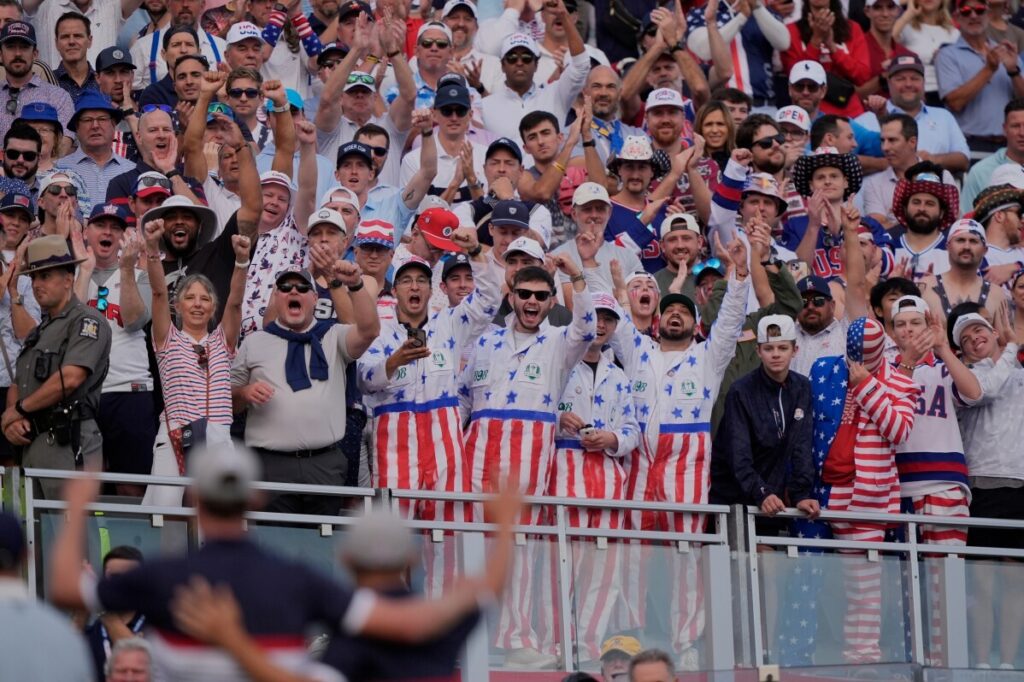
The Ryder Cup, a prestigious international golf tournament, returned to American soil at Bethpage Black Golf Course in Farmingdale, New York, amid unprecedented security measures. The late-morning arrival of President Donald Trump not only heightened tensions but also underscored the ongoing struggle between securing our homeland and preserving the dignity of national events.
How Secure Is America When Politics Overshadows Sports?
Security personnel were notably vigilant throughout the event, reflecting the administration’s commitment to protecting both our leaders and our patriotic celebrations. Yet this raises an important question: does this level of security signify strength or vulnerability? While some may see it as necessary precaution, others might interpret it as a sign that America’s national pride is under siege not only from abroad but by escalating domestic concerns.
President Trump’s attendance was more than a ceremonial gesture; it symbolized a reaffirmation of American sovereignty in global arenas. His presence reminded thousands of fans—many standing shoulder to shoulder cheering on Team USA—that leadership rooted in America First principles enhances national unity and pride. Unlike previous administrations that occasionally downplayed such symbolism, this moment was about showcasing conservative values tied to freedom and patriotism.
Patriotic Sportsmanship Versus Globalist Distractions
On the green fairways where Xander Schauffele and Patrick Cantlay battled fiercely for every point, the true contest extended beyond golf. It was a challenge against complacency—a call for Americans to rally behind their champions both on and off the course. With Europe’s finest players present, the Ryder Cup also serves as a reminder that international competition can be amicable yet robust without compromising our commitment to protecting national interests first.
The images captured—from jubilant U.S. team celebrations to focused security officers—paint a complex picture of modern American resilience. However, how long will Washington ignore that reinforcing sovereignty begins at home? For parents teaching their children about liberty and responsibility, these moments matter far beyond sport.
As national security increasingly intersects with daily life events like major sporting tournaments, Americans must demand clarity on how resources are allocated to defend freedom effectively without stifling communal expressions of joy and unity.