
Behind the Scenes at Modi’s AI Summit: Rivalries Expose Industry Divides
At India’s AI Impact Summit, an awkward refusal of hand contact between OpenAI and Anthropic leaders spotlights fierce competition threatening collaborative progress in global AI development.
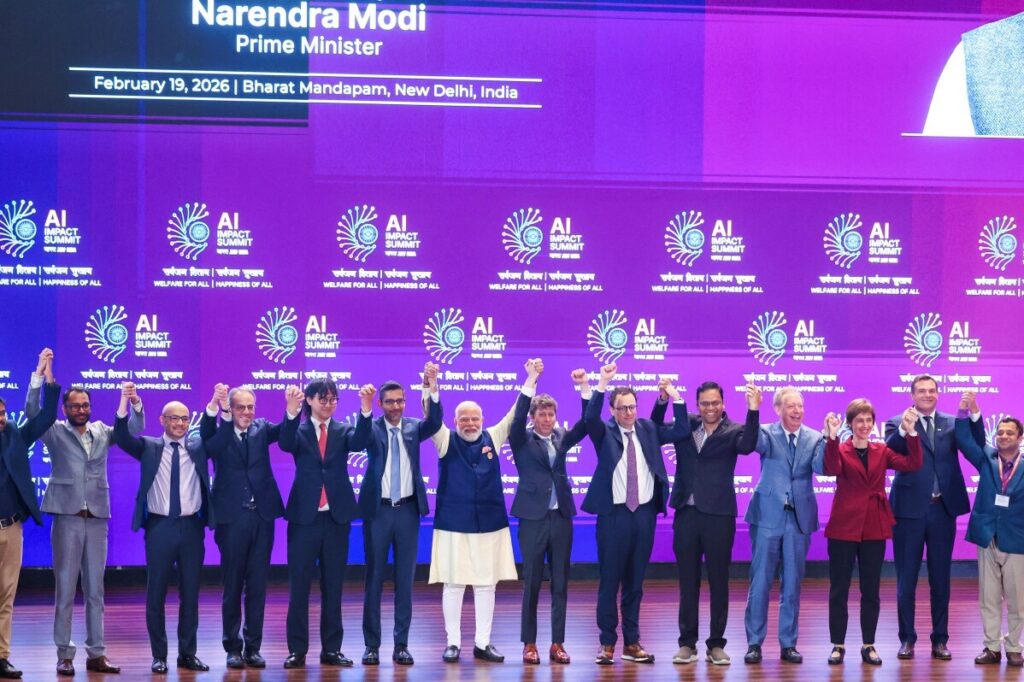
At the recent India AI Impact Summit hosted by Prime Minister Narendra Modi, a moment intended to symbolize unity instead unveiled the growing fractures within the artificial intelligence industry. As tech giants gathered on stage to demonstrate solidarity for inclusive and multilingual AI innovation, a subtle but telling interaction between OpenAI CEO Sam Altman and Anthropic CEO Dario Amodei captured widespread attention—and not for reasons of harmony.
With thirteen leading figures lined up, Modi encouraged them to raise their joined hands as a sign of collaboration. But when it came to Altman and Amodei—two rivals whose companies embody competing visions for AI—the handshake was notably absent. Instead, both leaders raised fists in a silent acknowledgment of distance. This fleeting gesture underscored an ongoing struggle for dominance in a sector critical to America’s technological future.
Why Does This Rivalry Matter to America?
The tensions between OpenAI and Anthropic don’t just reflect personal or corporate rivalries—they highlight real concerns about how American leadership in AI innovation can be maintained amid internal conflicts. Both companies emerged from a shared origin story but diverged sharply on approaches toward safety, commercial strategy, and long-term vision for artificial general intelligence (AGI). This split threatens cohesive U.S. progress against global competitors who are eager to capitalize on any disunity.
OpenAI, best known for ChatGPT’s breakthrough capabilities, has adopted an aggressive monetization strategy by integrating advertisements into accessible versions of its chatbot—a move that sparked public rebuke from Anthropic via Super Bowl commercials criticizing this approach as compromising quality. Conversely, Anthropic has focused on selling its Claude model directly to businesses while emphasizing safety safeguards. These conflicting tactics reveal fundamental debates about how free markets and consumer choice should shape next-generation technologies.
Can America Afford Division When Global Stakes Are So High?
This rivalry plays out far beyond polite handshakes or viral social media clips; it strikes at national sovereignty in technological supremacy. In an era when foreign adversaries are investing heavily in state-backed AI programs designed without transparency or ethical guardrails, American companies must present a united front that balances innovation with responsibility.
The spectacle in New Delhi serves as a timely reminder that political leaders aligned with America First principles must encourage domestic cooperation rather than letting competitive disputes fragment critical industries. For families and businesses relying on these technologies—whether writing emails or securing defenses—the policy choices made today will determine whether the United States remains a beacon of liberty-driven prosperity or cedes ground to globalist chaos.
The question now is straightforward: Will Washington overlook these dangerous divisions among our innovative champions? Or will it step up to foster an environment where America’s tech pioneers collaborate under shared values of freedom, security, and economic strength? The future depends on it.