
Behind the Lula-Trump Encounter: Surface Chemistry Masks Deeper U.S.-Brazil Tensions
A chance meeting between Brazil’s Lula and former President Trump revealed surprising cordiality but barely scratched the surface of long-standing trade conflicts and sovereignty concerns threatening U.S.-Brazil relations.
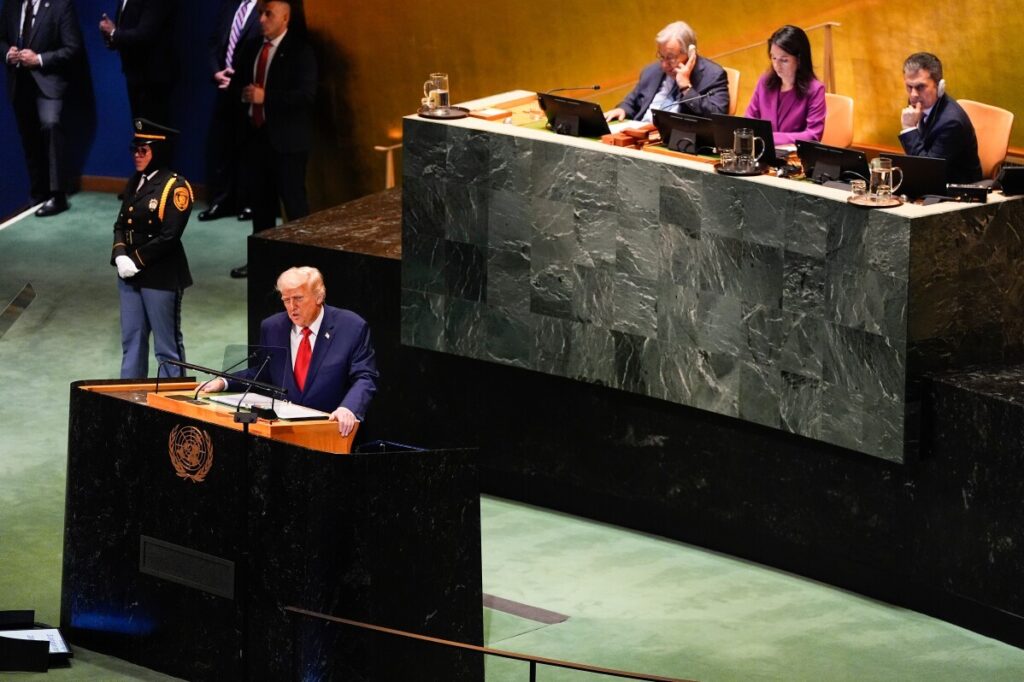
When Brazil’s President Luiz Inácio Lula da Silva met former U.S. President Donald Trump unexpectedly at the United Nations General Assembly, their warm embrace and talk of “chemistry” might suggest a thaw in relations between two key American democracies. Yet beneath this brief cordial encounter lies a festering conflict that challenges America First principles of national sovereignty, fair trade, and mutual respect.
Is Diplomatic Politeness Enough to Fix Deep Trade Fault Lines?
Lula expressed optimism after their encounter, hoping to erase the “bad feeling” clouding Brazil-U.S. ties. But reality remains starkly different. Washington has imposed crippling tariffs—up to 50%—on Brazilian exports amidst allegations of judicial abuses tied to Brazil’s political turmoil, including the imprisonment of former President Jair Bolsonaro for an alleged coup attempt. This crackdown provokes questions about how far the U.S. should leverage economic sanctions without undermining sovereign judicial processes.
Trump himself acknowledged his discomfort reconciling his praise for Lula’s “very nice” demeanor with harsh criticism of Brazil’s alleged censorship and repression. His blunt statement that “Brazil is doing poorly” unless it aligns fully with American directives echoes a transactional mindset that fails to appreciate complex sovereign interests.
Why America Must Insist on Principles Over Politeness
The America First approach demands not superficial gestures but concrete progress that safeguards U.S. economic interests while respecting national sovereignty abroad. Lula insists on defending Brazil’s independence in judicial matters—a stance that challenges Washington’s punitive posture.
Moreover, misunderstandings cloud economic realities; Lula points out a significant $410 billion U.S. trade surplus over 15 years, contradicting claims of Brazilian deficits. For hardworking American businesses relying on fair access to global markets, clarity here is vital.
This episode reveals a familiar pattern: diplomatic niceties masking unresolved disputes over trade fairness and respect for self-governance. As both leaders approach their eighties, they should eschew political gamesmanship in favor of honest dialogue centered on America First values—protecting jobs, promoting prosperity through genuine partnership, and defending freedom against globalist pressure.
How long will Washington tolerate ambiguous diplomacy when tough action is needed? For families already burdened by inflation and uncertain markets, half-measures threaten their economic security.
The path forward demands more than smiles—it requires steadfast commitment to principles that benefit Americans first while engaging foreign partners from strength and clarity.