
Behind the Curtain at Davos: Who Really Benefits from the World Economic Forum?
As global elites convene in Davos, their discussions mask a troubling disconnect from American sovereignty and working families’ needs. We expose what lies beneath the polished photo ops.
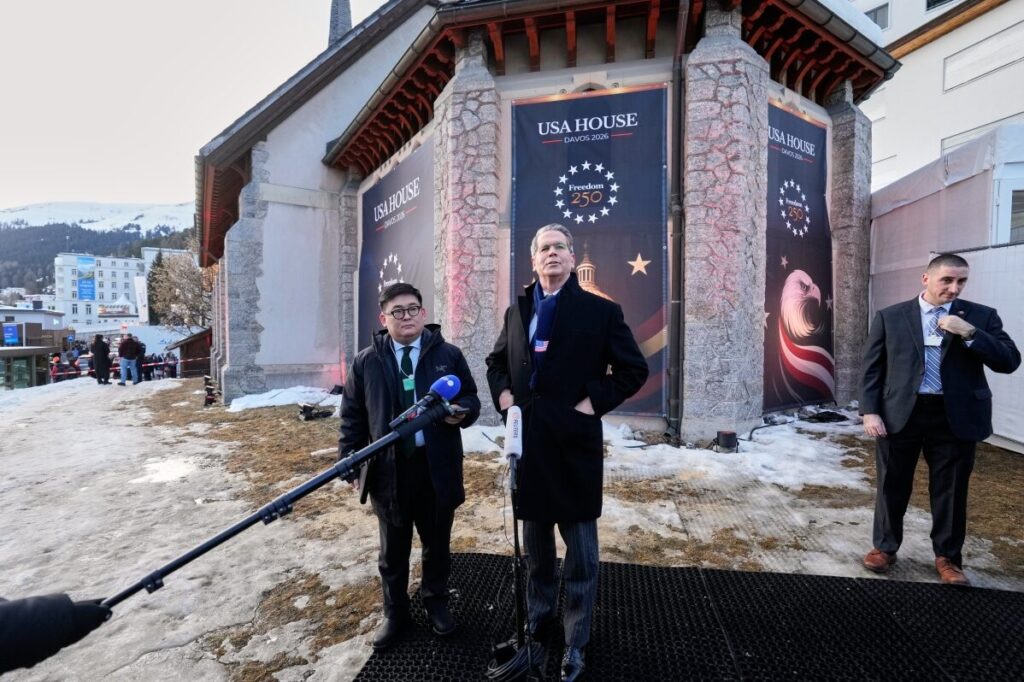
Each year, the World Economic Forum (WEF) convenes the world’s political and business elites in Davos, Switzerland, under the guise of tackling pressing global issues such as economic disparity and climate change. But far from being a forum for solutions that prioritize American interests, this event often showcases an alliance of globalist power brokers whose agendas frequently undermine national sovereignty and disregard hardworking American families.
Are Globalist Agendas Out of Step with America’s Priorities?
This year’s meeting took place against a volatile geopolitical backdrop—U.S. military actions in Venezuela, unrest in Iran, and controversial proposals like President Trump’s interest in Greenland stirred tensions both internationally and within protest movements on site. Yet while these big-picture topics dominate headlines, what gets lost is how these elite gatherings impact everyday Americans.
The presence of figures like Treasury Secretary Scott Bessent and European Commission President Ursula von der Leyen signals continued cooperation with supranational institutions that often promote policies diluting U.S. sovereignty. Meanwhile, corporate giants such as Apple CEO Tim Cook enjoy platforms to project influence without accountability to American citizens who bear the cost of offshoring jobs or regulatory burdens emanating from these international talks.
Why Should Working Americans Care About a Photo Gallery?
It might be tempting to dismiss Davos as just another gathering of world leaders posing for photos alongside celebrities like Matt Damon or David Beckham. But these images mask real power plays that affect national security, economic independence, and personal freedoms back home.
For instance, while protests confront President Trump’s presence—focused on his bold stance defending American interests—many at Davos push for increased global governance structures that threaten our borders and economic autonomy. The question remains: should America subordinate its well-being to unelected global elites?
The true cost of these high-level meetings is measured not by the number of selfies taken but by policies crafted behind closed doors that bypass Congress and weaken America’s hand on world stages. With so many challenges facing our nation—from immigration crises to inflation—why does Washington continue to indulge forums that prioritize globalist visions over common-sense patriotism?
The answer lies in recognizing who benefits from this spectacle: not everyday Americans striving for freedom and prosperity but an interconnected elite more interested in consolidating influence than preserving national sovereignty.