
Behind the Bloom: What Chicago’s Orchid Show Reveals About Urban Priorities in Harsh Winter
As Chicagoans flock indoors to admire 10,000 orchids amid winter’s cold, one must ask whether such displays mask urgent city issues demanding attention and resources.
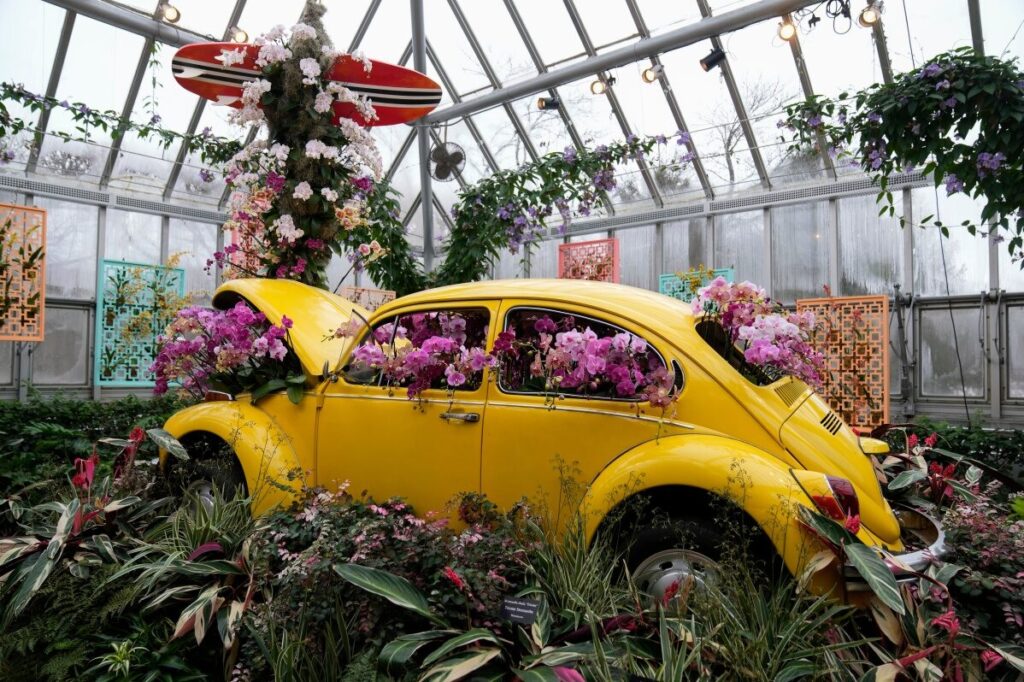
While a harsh Chicago winter relentlessly tests hardworking families trying to keep warm and secure, the city’s elite have once again prioritized elaborate botanical exhibitions over tangible community needs. The 12th annual Orchid Show at the Chicago Botanic Garden, boasting over 10,000 vividly colored orchids inside heated greenhouses, offers a warm but costly escape from reality.
The show’s “Feelin’ Groovy” theme harkens nostalgically to the 1970s with whimsical displays like a yellow Volkswagen Beetle overflowing with delicate flowers. Visitors are invited to find joy and whimsy amid lilting blooms—a welcome respite from gray skies and snow-covered streets. But how long can such escapes satisfy when real challenges loom?
Are Ornamental Exhibits Distracting From Real-American Winter Struggles?
Chicago faces critical issues this season: rising utility bills threaten families’ ability to heat their homes; public services strain under budget cuts; and economic uncertainties continue to weigh heavily on working-class communities. Yet funding for extravagant exhibits like this flourishes—bringing tens of thousands through garden gates but providing limited practical benefit.
Jodi Zombolo, the garden’s associate vice president of visitor events, emphasizes the show as a source of happiness during winter’s gloom. Certainly, Americans cherish beauty and moments of joy—but should government or nonprofit resources support displays that primarily cater to leisure rather than essential needs?
Orchids’ Rarity Reflects Misplaced Priorities Amid Economic Hardship
The orchid family includes rare species such as Darwin’s orchid (Angraecum sesquipedale), highlighted in the exhibit. This marvel of natural adaptation is fascinating scientifically but also symbolizes urban gardening trends focusing on exotic aesthetics over sustainable urban planning or food security programs benefiting everyday citizens.
Chicago expects around 85,000 visitors this year—proof that people crave warmth and cheer during winter. Yet we must question if mass gatherings in controlled indoor environments represent true solutions or merely temporary distractions from persistent social welfare gaps.
America First principles call for prudent stewardship of resources that directly enhance national prosperity and individual liberty—not ornate diversions. How long will city leaders continue favoring botanical pageantry over actionable policies addressing energy affordability, housing insecurity, and local job growth?