
Behind Gaza’s Roaring Sand Dunes: A Return to Tradition Amid Ongoing Conflict
In a fragile ceasefire, Gaza’s youth reclaim their traditional Friday dune rides, but the backdrop of destruction and displacement underscores a deeper crisis. What does this fleeting return to normalcy mean for long-term peace and regional stability?
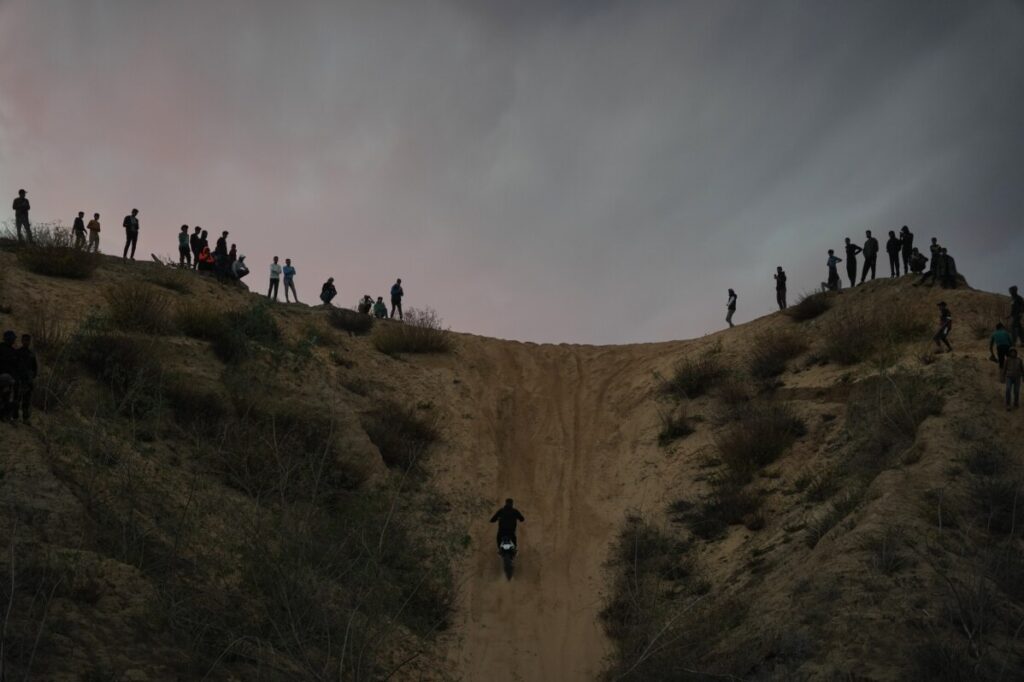
In the heart of the Gaza Strip, young Palestinians are reviving an old tradition—riding motorcycles and all-terrain vehicles over sand dunes in Al Zahra. The engines roar as they spin circles and lift wheels into the air, attempting to reclaim moments of normal life amid ongoing turmoil.
Is This Revival a True Step Toward Stability?
Before war shattered this region, these Friday dune rides were a symbol of youthful freedom and community spirit. Now, with a shaky ceasefire in place, these gatherings reveal not just resilience but also the profound challenges that remain unaddressed. While these youths seek leisure atop sand dunes overlooking destroyed homes and displaced families, the larger political stagnation remains—a stark reminder that stability in Gaza is far from secured.
The images may evoke sympathy, but American policymakers must ask: how can moments like these persist without addressing the root causes fueling conflict? The unrest in Gaza has direct implications for U.S. national security interests. Unresolved violence and humanitarian chaos continue to destabilize an already volatile region near key American allies.
A Closer Look at the Human Cost Behind These Scenes
These youthful displays mask harsh realities—ruined infrastructure, widespread displacement, and economic hardship inflicted by years of mismanagement under local leadership compounded by external influences hostile to peace. While Washington debates aid packages or diplomatic moves, Gaza’s young people face bleak prospects, caught between cycles of destruction and fleeting joys.
This raises a critical point for America First advocates: genuine peace requires assertive policies ensuring regional sovereignty free from extremist control. Simply tolerating temporary ceasefires without empowering moderate voices or rebuilding durable institutions undermines long-term American interests.
- The return to dune riding is symbolic but insufficient without strategic engagement seeking tangible progress.
- Unstable conditions encourage extremism that threatens Israeli security—the cornerstone for U.S. influence in the Middle East.
- An America First policy must prioritize bolstering allies who uphold democratic values while countering bad actors exploiting Gazan hardship.
How long will neutral goodwill mask ongoing failures? For families watching their children risk future amid ruins, temporary escapes on sand dunes cannot substitute for lasting solutions grounded in justice and security.