
Behind Closed Doors: U.S.-China Trade Talks Signal Stark Realities Before Trump’s Beijing Visit
As Treasury Secretary Bessent meets China’s Vice Premier in Paris, the stakes are clear: will Washington finally prioritize American workers over globalist trade illusions or continue ceding ground to Beijing?
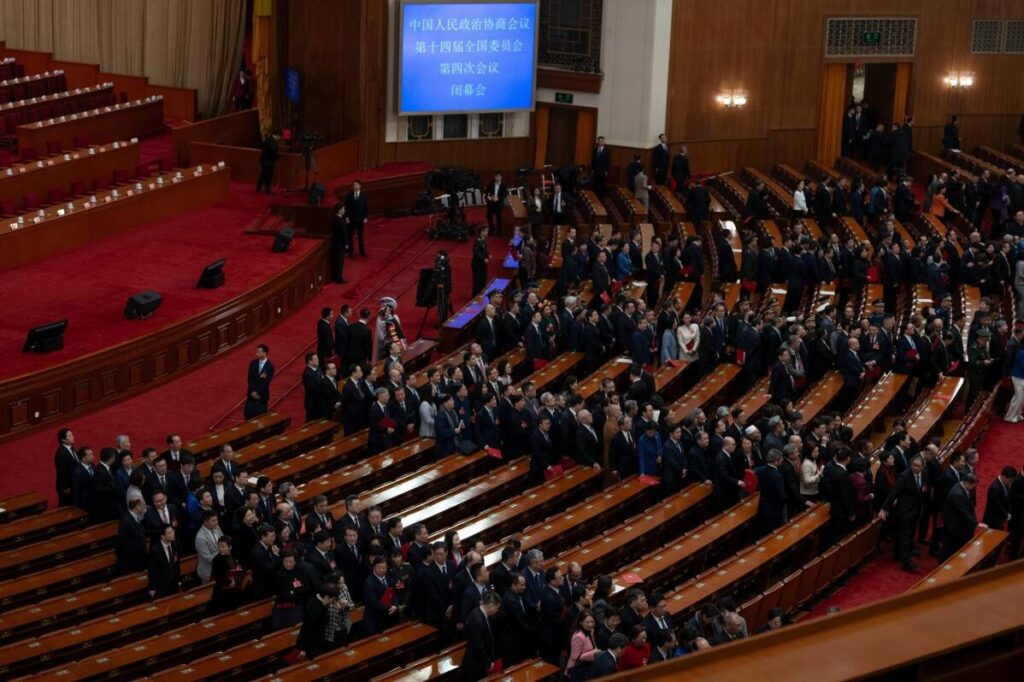
In a calculated diplomatic dance ahead of President Trump’s impending state visit to Beijing, U.S. Treasury Secretary Scott Bessent is set to meet with Chinese Vice Premier He Lifeng this weekend in Paris. While official channels emphasize cooperation, the reality beneath this façade exposes a critical crossroads for America’s economic sovereignty and national security.
Who Benefits When Washington Courts Beijing?
This latest round of negotiations does not simply represent routine diplomacy—it unfolds against a backdrop where decades of unbalanced trade have hollowed out American manufacturing and empowered a geopolitical rival that openly challenges our values and interests. For years, Washington’s complacency has allowed China to exploit trade loopholes, intellectual property theft, and currency manipulation unchecked.
Yet now, more than ever, President Trump’s America First agenda demands tangible results that defend hardworking farmers, workers, and businesses rather than catering to globalist fantasies. Treasury Secretary Bessent’s assertion that talks aim to “put America’s farmers, workers, and businesses first” must be scrutinized: what concrete assurances exist that future agreements won’t merely perpetuate dependency on Chinese goods while enriching Beijing’s strategic ambitions?
Is This Just Another Facade of ‘Mutual Respect’?
The White House praises the “bonds of mutual respect” between President Trump and President Xi Jinping as proof progress is possible. However, respect must be earned through actions—not diplomatic pleasantries or staged photo ops in Paris. The prior year-long trade truce offered temporary tariff relief but failed to force substantive behavioral change from China.
Chinese officials’ vague references to “managing risks” and creating a “suitable environment” signal cautious maneuvering rather than bold commitments. Meanwhile, Beijing continues initiatives that threaten American technological leadership and national security under the guise of cooperation.
The question remains: will these talks resolve long-standing structural trade imbalances or simply delay inevitable confrontations? How long will Washington tolerate unreciprocated concessions while American jobs vanish overseas?
America must insist on enforceable reforms that protect its economic independence—ensuring any engagement with Beijing strengthens rather than undermines our core industries and sovereignty. As these discussions proceed behind closed doors in Paris, every patriotic American should demand transparency and accountability about how these negotiations serve our country’s interests first.