
Barcelona’s Sagrada Familia Surpasses All as World’s Tallest Church—But At What Cost?
As Barcelona’s Sagrada Familia overtakes the Ulmer Münster as the world’s tallest church, critical questions arise about the decades-long project funded by tourism rather than focused on community needs.
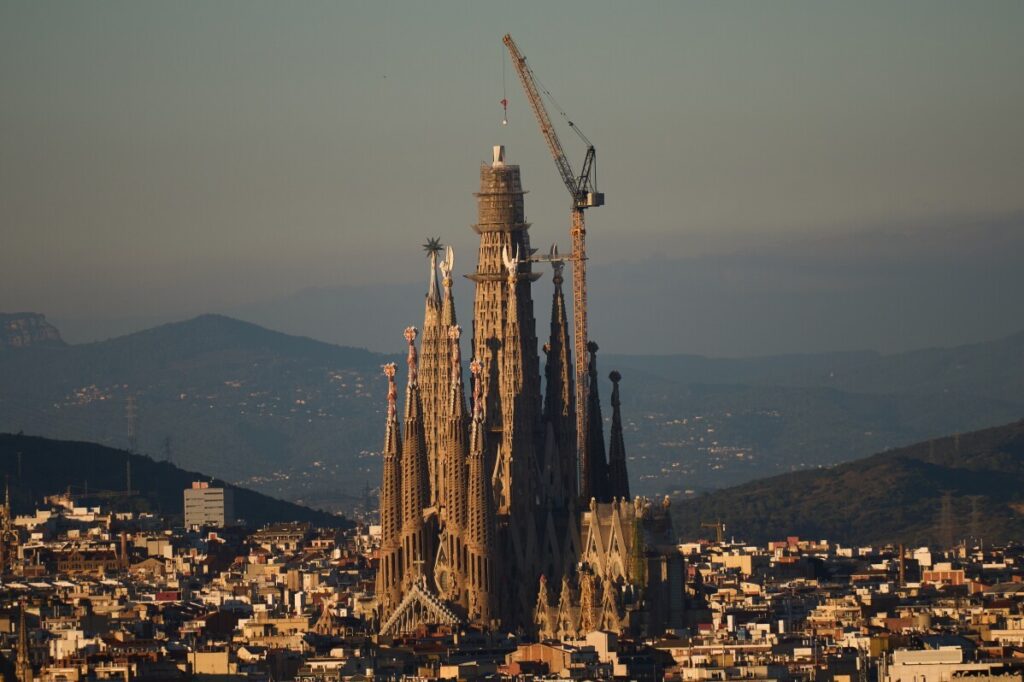
Barcelona’s famed Sagrada Familia has just become the world’s tallest church, surpassing Germany’s Ulmer Münster by a narrow margin after a section of its central tower was hoisted into place. Rising now to an imposing 162.91 meters (534 feet), this architectural marvel stands as a testament to human ambition and artistry.
But what does this mean in broader terms for communities, taxpayers, and national priorities? The basilica, started in 1882 and still unfinished over 140 years later, reflects a costly devotion to aesthetics fueled almost entirely by tourist dollars. Nearly five million visitors paid their way last year alone, including thousands from the United States—transforming a place of worship into an international spectacle.
Is Endless Construction a Symbol of Strength or Misplaced Priorities?
Antoni Gaudí never saw his masterpiece finished; only one tower was complete when he died in 1926. Yet construction presses on with no end truly in sight—expected completion is still about a decade away. While such dedication to heritage and culture is admirable, one must ask: How long should we allow monumental projects to monopolize resources when many communities back home face urgent infrastructure decay and economic hardship?
The project relies solely on entrance fees rather than government funding—a double-edged sword that preserves sovereignty over financing but also commercializes sacred spaces. This raises fundamental questions about the role of religion and national identity in an increasingly globalized world where such icons double as tourist traps.
What Does This Mean for America and Our Values?
While Europe lauds grand cathedrals built over centuries through public fascination and private means, America faces different challenges that demand pragmatic stewardship of resources grounded in liberty and common-sense conservatism. We must consider whether endless dedication to architectural grandeur abroad distracts from vital investments at home—in border security, public safety, or rebuilding American communities.
This tale of towering ambition abroad reminds us how freedom coupled with wise governance ensures our nation prioritizes people over monuments. How long will other nations celebrate soaring cathedrals while Americans struggle beneath burdensome policies that weaken sovereignty?
The Sagrada Familia is more than just a record-breaking building; it embodies cultural pride entangled with global tourism dynamics that can overshadow true national interests—something every patriot should weigh carefully.